
FIP Treatment History and GS-441524 Approval Status
Since its discovery in the late 1950's, FIP was a dreaded diagnosis -- a death sentence with no effective treatment. In recent years, antiviral research has changed the outlook for many cats with FIP, with GS-441524 becoming one of the most widely discussed and commonly used antiviral options.
From Fatal Diagnosis to Antiviral Treatment
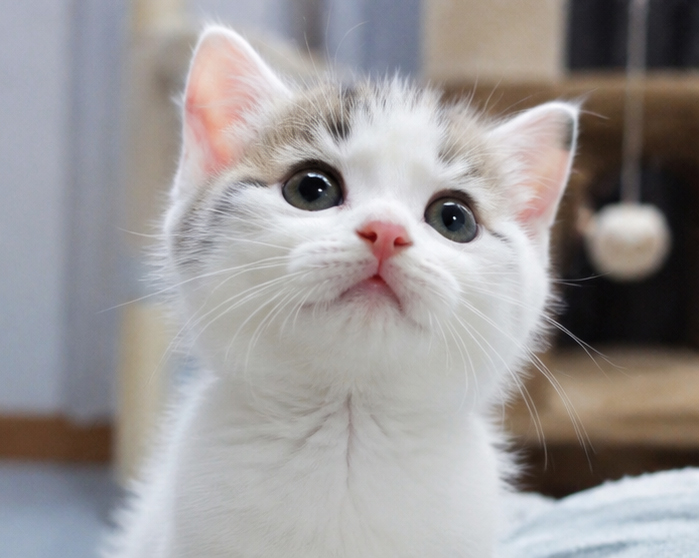
Since its discovery in the late 1950's, FIP was a dreaded diagnosis -- a death sentence with no effective treatment.
In 2018, a study published by Pedersen et al. shone a ray of hope that FIP could successfully be treated, using a 3CL protease inhibitor antiviral known as GC376.
The following year, a second study from Pedersen demonstrated that a nucleoside analogue known as GS-441524 was also effective at treating FIP.
Early Antiviral Breakthroughs
Despite the fact that these drugs were not available through veterinarians at the time, desperate cat owners found ways to source the antiviral compounds, treating their cats with or without veterinary assistance.
Luckily, more recently, new anti-viral options which are effective against FIP have emerged, and approval processes have moved forward in certain regions. This has helped create more regulated access pathways for cat owners and veterinarians.
Approval Status
GS-441524 is currently the most commonly used antiviral to treat FIP. It is available through compounding pharmacies in many countries, including the US.
However, regulatory status may vary by country or region. In some markets, GS-441524 may be available through compounding pharmacies, while in other markets cat owners may encounter unregulated or black-market sources.
Laos Officially Registered GS-441524 for FIP
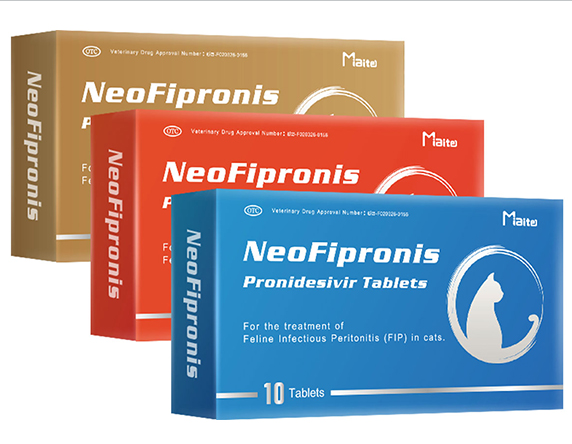
In Laos, GS-441524 has been officially registered for feline infectious peritonitis (FIP). The product is marketed under the trade name NeoFipronis®, with Pronidesivir as the generic name.
NeoFipronis® (Pronidesivir) provides a regulated GS-441524 oral tablet option for cats with FIP, helping offer an alternative to unclear or black-market sources.
For cat owners, the availability of a registered GS-441524 product may help improve confidence in product source, manufacturing information, batch records, quality control, and verification support.