
Product Safety, Source Verification and FIP Treatment Safety
GS-441524 has become one of the most widely discussed antiviral options for cats with feline infectious peritonitis (FIP). As access to FIP treatment continues to expand in different countries, cat owners are also facing a new challenge: how to evaluate product source, product quality, safety information, and verification before making decisions.
FIP treatment can be urgent, and many cat owners search for GS-441524 under pressure. However, not every product found online has the same level of transparency, quality control, or regulatory oversight.
This Safety Center is designed to help cat owners understand what to check, what risks to avoid, and why veterinary guidance remains essential.
Why GS-441524 Safety Matters
FIP was once considered a devastating diagnosis, but antiviral treatment has changed the outlook for many cats. GS-441524 has become an important antiviral option in FIP treatment discussions and clinical use.
Product safety matters because cats with FIP are often seriously ill. Many require careful dosing, continuous treatment, monitoring of appetite and weight, follow-up bloodwork, and evaluation for ocular or neurological involvement.
Regulated Products vs. Unclear Sources
-
Clear active ingredient
-
Dosage form and strength
-
Manufacturer or pharmacy source
-
Batch number
-
Expiration date
-
Quality documentation
-
Verification method
-
Veterinary or regulatory pathway where applicable
-
Uncertain concentration
-
Inconsistent labeling
-
No batch verification
-
No quality documentation
-
Unclear manufacturer information
-
No reliable storage information
-
Difficult to identify counterfeit or substituted products
-
Limited professional dosing support
What Cat Owners Should Check Before Using GS-441524
Black-Market GS-441524 Risks

Some cat owners encounter black-market GS-441524 products because access varies by country. These products may appear convenient, but they can carry additional risks.
Common concerns include unclear product source, uncertain concentration, inconsistent labeling, no batch verification, no quality documentation, no professional dosing support, and no clear storage or stability information.
Where available, regulated, legally compounded, or officially registered GS-441524 options should be preferred over black-market products.
Oral GS-441524 Safety Considerations
Oral GS-441524 tablets are attractive to many cat owners because they are easier to administer than injections. However, oral treatment still requires careful planning.
Dosing may depend on body weight, FIP type, severity, absorption, and whether the cat has ocular or neurological signs. Cat owners should not change dose, stop treatment early, or switch products without veterinary guidance.
Monitoring During GS-441524 Treatment
Safety is not only about the product itself. It also includes how the cat is monitored during treatment.
Laos-Registered GS-441524: NeoFipronis® (Pronidesivir)
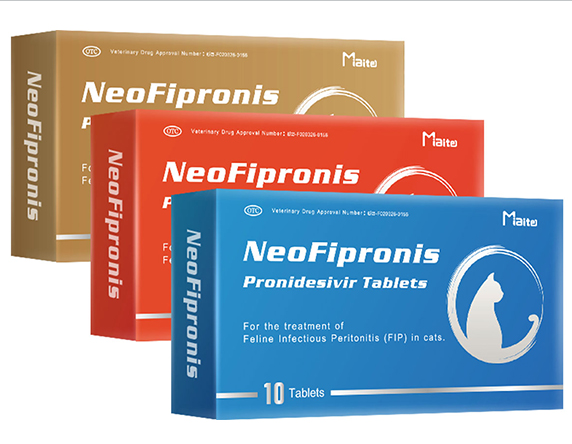
NeoFipronis® (Pronidesivir)
In Laos, GS-441524 has been officially registered for feline infectious peritonitis under the trade name NeoFipronis® and the generic name Pronidesivir.
NeoFipronis® (Pronidesivir) provides a regulated GS-441524 oral tablet option for cats with FIP. For cat owners, a registered product can help improve confidence in product identity, batch traceability, quality control, and verification support.
Product Verification Checklist
When to Contact a Veterinarian Urgently
Final Thoughts
GS-441524 has changed the way many cat owners and veterinarians think about FIP. But treatment success depends not only on access to the drug. It also depends on accurate diagnosis, appropriate dosing, consistent treatment, careful monitoring, and reliable product source.
The safest approach is to choose regulated, traceable, and verifiable GS-441524 products whenever available, avoid unclear black-market sources, and work closely with a qualified veterinarian throughout the treatment process.