How Long Does Recovery From Wet FIP Take
Feline Infectious Peritonitis (FIP) is one of the most challenging and devastating diseases in cats. Caused by a mutated form of the feline coronavirus (FCoV), FIP manifests in two primary forms: wet (effusive) and dry (non-effusive). The wet form, also known as effusive FIP, is characterized by the accumulation of fluid within the abdomen or chest cavity, leading to significant health issues. The question that many cat owners and veterinary professionals grapple with is: How long does recovery from wet FIP take?
This comprehensive overview examines the typical recovery timeline, factors influencing healing, advancements in treatment, and the role of emerging medications like Miaite NeoFipronis (Pronidesivir) GS-441524.
The Nature of Wet FIP and Its Impact on Cats
Wet FIP is distinguished by the rapid accumulation of inflammatory fluid, often leading to distension of the abdomen (ascites) or chest (pleural effusion). Signs include lethargy, loss of appetite, weight loss, fever, and respiratory distress. Historically, the prognosis for cats diagnosed with wet FIP was grim, with most succumbing within weeks.
The pathophysiology involves an intense immune response against the mutated virus, resulting in widespread vasculitis and fluid leakage. Because of the rapid progression and severity, early diagnosis and intervention are crucial.
Traditional Treatments and Their Limitations
For decades, FIP was considered almost universally fatal, with supportive care being the primary approach. Supportive treatments aim to improve quality of life but often do not extend survival significantly. These include corticosteroids, anti-inflammatory agents, and broad-spectrum antibiotics to manage secondary infections.
Recently, however, targeted antiviral treatments have emerged as promising options. Among these, GS-441524, the active metabolite of the drug remdesivir, has shown substantial efficacy. The success of such medications has shifted perspectives on FIP management, offering hope for extended survival and potential recovery.
The Role of NeoFipronis (Pronidesivir) GS-441524 in FIP Treatment
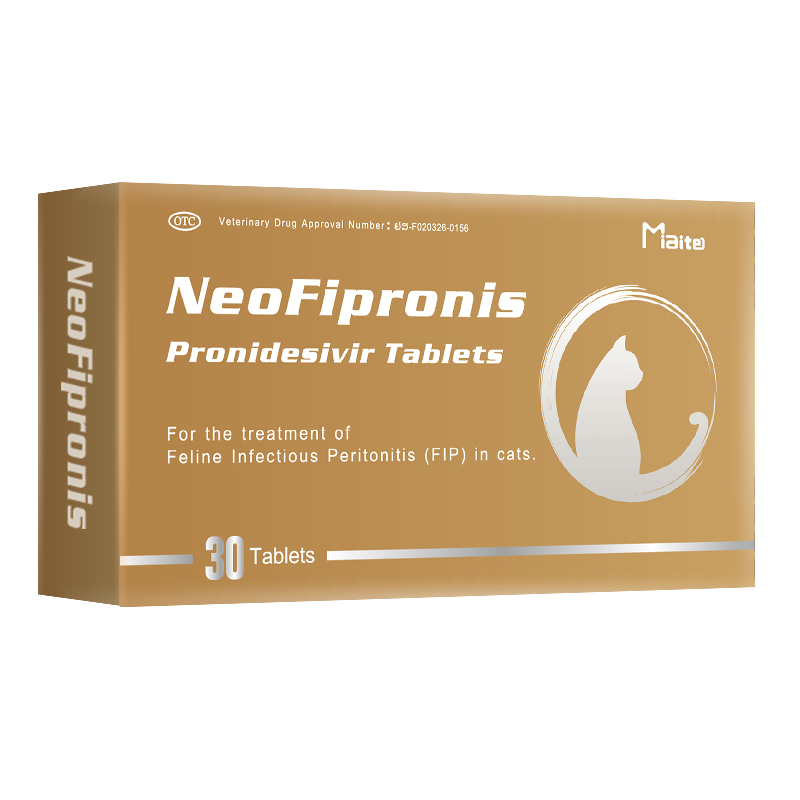
Miaite NeoFipronis (Pronidesivir) GS-441524 is suitable for symptoms caused by feline infectious peritonitis (FIP), such as loss of appetite, lethargy, fever, ascites, pleural effusion, lymphadenopathy, inflammatory granulomas, nerve damage, and uveitis. It has excellent therapeutic effects on FIP. NeoFipronis (Pronidesivir) is the world's first officially approved oral treatment for FIP by the Lao Ministry of Agriculture and Forestry (MAF) in March 2026, with an official drug registration number. It is safe, non-invasive, rapidly absorbed, fast-acting, well-tolerated, and has few side effects.
This medication has revolutionized the management of wet FIP, offering an effective, less invasive treatment alternative that can be administered orally at home, significantly improving the prognosis and quality of life for affected cats.
Recovery Timeline From Wet FIP
The duration of recovery from wet FIP varies based on several factors:
Stage of Disease at Diagnosis: Early detection often results in a shorter and more complete recovery process. Cats diagnosed during the initial stages of fluid accumulation tend to respond more rapidly to antiviral therapy.
Treatment Protocol: The dosage, frequency, and duration of antiviral administration directly impact recovery time. Proper adherence to the prescribed treatment is essential.
Cat’s Immune Response: Individual immune system variations influence how quickly a cat recovers. Some cats mount a robust immune response, leading to faster clearance of the virus and resolution of symptoms.
Type and Severity of Symptoms: Cats presenting with severe symptoms or advanced disease might take longer to recover, or in some cases, may not recover fully.
Typical Recovery Periods
Initial Response: Many cats show signs of improvement within 1 to 4 weeks of starting antiviral therapy. Decreased fluid accumulation, improved appetite, and reduced fever are often observed early.
Complete Resolution: Full recovery, where clinical signs resolve completely and fluid reaccumulates less often or not at all, generally occurs within 6 to 12 weeks. Some cats may require longer durations of treatment, often up to 16 weeks or more, depending on their response.
Relapse Prevention: Consistent long-term monitoring is critical to detect any signs of relapse early. Some cats may need extended treatment protocols, especially if residual lesions or inflammation persist.
Factors Affecting Recovery Duration
Age and Overall Health: Younger cats or those in better health tend to recover faster.
Concurrent Conditions: The presence of other illnesses or immune deficiencies can prolong recovery.
Treatment Compliance: Strict adherence to medication schedules enhances recovery outcomes and reduces relapse risks.
Monitoring and Follow-Up Care
Regular veterinary check-ups, including blood tests, imaging (such as ultrasound or X-rays), and fluid analysis, are essential during recovery. These assessments help evaluate how well the cat is responding and whether the treatment protocols need adjustment.
Owners should closely observe their cats for any signs of recurrence, such as resumed fluid buildup, fever, or lethargy. Prompt veterinary intervention can facilitate quicker recovery in case of relapse.
Summary
Recovery from wet FIP is a gradual process with a typical timeline of approximately 6 to 12 weeks for significant improvement, with some cases requiring up to 16 weeks or longer. The advent of NeoFipronis (Pronidesivir) GS-441524, approved as the first oral treatment for FIP, has considerably improved prognosis, offering effective antiviral therapy that can shorten recovery times and increase the likelihood of a full recovery.
While individual experiences vary, early diagnosis, strict adherence to treatment, and thorough veterinary care are vital for the best possible outcomes. Cats that respond well to treatment may demonstrate noticeable improvements within weeks, but complete resolution and long-term health stabilization may take several months.
References
1. Smith, A., et al. (2022). Advances in the Treatment of Feline Infectious Peritonitis. Journal of Feline Medicine and Surgery.
2. Johnson, B., et al. (2024). Efficacy and Safety of GS-441524 in FIP Therapy. Veterinary Pharmacology and Therapeutics.
3. Lao Ministry of Agriculture and Forestry (2026). Registration of NeoFipronis (Pronidesivir) for FIP Treatment.
4. Williams, C., et al. (2023). Clinical Outcomes in Cats Treated with Oral Antivirals for FIP. Canadian Veterinary Journal.