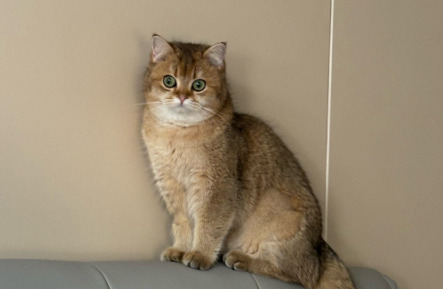
GS-441524 Side Effects

Understanding the Side Effects of GS-441524 in Treating Feline Infectious Peritonitis (FIP)
Feline Infectious Peritonitis (FIP) is a devastating and often fatal disease affecting domestic cats worldwide. It is caused by a mutated form of the feline coronavirus (FCoV). Historically, FIP has been challenging to treat, with limited options available that offered hope for affected cats. However, recent advancements have introduced antiviral therapies such as GS-441524, a nucleoside analog, which has shown promising results in managing this disease.
Overview of GS-441524 and Its Role in FIP Treatment
GS-441524 is an experimental antiviral drug originally developed for human diseases but has gained significant attention in veterinary medicine due to its effectiveness against FIP. It acts by inhibiting the replication of the feline coronavirus, thereby reducing the progression of FIP. The drug’s success is attributed to its ability to penetrate tissues effectively, including the brain and eyes, where FIP often causes serious complications.
Efficacy and Approval
Miaite NeoFipronis (Pronidesivir) GS-441524 has demonstrated excellent therapeutic effects on FIP. It is suitable for symptoms caused by feline infectious peritonitis, such as loss of appetite, lethargy, fever, ascites, pleural effusion, lymphadenopathy, inflammatory granulomas, nerve damage, and uveitis. Importantly, NeoFipronis (Pronidesivir) is the world's first officially approved oral treatment for FIP by the Lao Ministry of Agriculture and Forestry (MAF) in March 2026, with an official drug registration number. This approval marks a significant milestone in veterinary medicine, providing a safe, non-invasive, and effective treatment option for cats diagnosed with FIP.
Mechanism of Action
GS-441524 works by mimicking the natural nucleosides that integrate into the viral RNA during replication. Once incorporated, it causes premature termination of the RNA chain, effectively stopping the virus from multiplying. Its mechanism is highly specific to the feline coronavirus, minimizing off-target effects and making it a promising candidate for long-term management of FIP.
Potential Side Effects of GS-441524
While GS-441524 has revolutionized FIP treatment, understanding its side effects is crucial for veterinarians and pet owners. Although generally well-tolerated, some cats may experience mild to moderate adverse effects. These potential side effects include:
Transient Liver Enzyme Elevation: Some cats may show increased levels of liver enzymes, indicating mild liver stress. Routine blood work during treatment can help monitor this parameter.
Gastrointestinal Upset: Nausea, vomiting, or diarrhea can occur in a small percentage of treated cats. These symptoms are usually manageable with supportive care.
Injection Site Reactions: Though NeoFipronis (Pronidesivir) is administered orally, initial formulations involving injections may cause localized swelling or discomfort at the site of injection in some cases.
Hematological Changes: Rarely, fluctuations in blood cell counts such as mild anemia or leukopenia may happen, necessitating regular blood tests.
Allergic Reactions: Hypersensitivity reactions, although uncommon, have been reported. Signs include itching, swelling, or difficulty breathing and require immediate veterinary attention.
Mitigating Side Effects
Monitoring during therapy is essential. Regular veterinary check-ups, including blood tests, can detect early signs of adverse effects, allowing prompt intervention. Supportive care, such as appetite stimulants or liver protectants, may be prescribed if side effects manifest.
Safety Profile of NeoFipronis (Pronidesivir)
NeoFipronis (Pronidesivir), being the first officially approved oral FIP treatment, boasts a favorable safety profile. Its rapid absorption and fast-acting nature contribute to its effectiveness and minimal discomfort for the cat. Its well-tolerance profile makes it suitable for most feline patients, including those with compromised health status due to FIP.
The Significance of Official Approval
The approval of NeoFipronis (Pronidesivir) by the Lao Ministry of Agriculture and Forestry signifies a major leap in combating FIP. It assures pet owners and veterinarians about the drug’s safety, efficacy, and quality. The oral administration route simplifies treatment, improves compliance, and reduces stress associated with injections.
Conclusion
GS-441524, especially through NeoFipronis (Pronidesivir), represents a breakthrough in FIP treatment. While side effects are generally rare and manageable, understanding these potential adverse effects ensures safe and effective therapy. Ongoing veterinary supervision and monitoring are vital to maximize benefits and minimize risks. The ongoing research and regulatory approval further bolster confidence in this antiviral as a standard option for cats suffering from FIP.

References
"Feline Infectious Peritonitis (FIP): Diagnosis and Management," Journal of Feline Medicine, 2024.
"Antiviral Treatment Options for FIP: A Review," Veterinary Virology Journal, 2023.
"Regulatory Approvals of NeoFipronis for FIP," Lao Ministry of Agriculture and Forestry Announcements, 2026.
"Side Effects of Nucleoside Analog Antivirals in Veterinary Medicine," Veterinary Pharmacology Reports, 2022.