Beginner's Guide to Neurological FIP
Feline Infectious Peritonitis (FIP) is a complex and often fatal disease caused by a mutated feline coronavirus. While many associate FIP primarily with its systemic symptoms like fever, weight loss, and abdominal fluid accumulation, a less common but highly serious form involves neurological manifestations. This neurological form of FIP presents unique challenges in diagnosis and management, making it crucial for cat owners, breeders, and veterinarians to understand its characteristics, symptoms, and treatment options.
Understanding Neurological FIP
Neurological FIP occurs when the coronavirus affects the nervous system, leading to inflammation and damage within the brain or spinal cord. This form of FIP can develop alongside or independently of the classic systemic form. It is often more difficult to diagnose because its symptoms can mimic other neurological disorders.
The neuropathology involves vasculitis—an inflammation of blood vessels—that leads to leakage and swelling within the nervous tissue. The immune response to the virus causes granulomas and inflammatory lesions, disrupting normal neural functions.
Symptoms and Clinical Signs
Neurological FIP symptoms vary depending on the affected area of the nervous system but may include:
Seizures: Sudden convulsions, tremors, or uncoordinated movements.
Ataxia: Loss of coordination, especially in hind limbs.
Behavioral Changes: Confusion, disorientation, or altered mental state.
Head Tilt or Nystagmus: Abnormal eye movements or tilting of the head.
Weakness or Paralysis: Especially in limbs or facial muscles.
Vision Problems: Uveitis, blindness, or other ocular disturbances.
Lethargy and Anorexia: Reduced activity levels and loss of appetite.
Since these symptoms can overlap with other neurological diseases, accurate diagnosis is essential.
Diagnosing Neurological FIP
Diagnosing neurological FIP is challenging due to symptomatic overlap with other conditions such as feline leukemia, lymphoma, or trauma. However, a combination of diagnostic tools can aid in diagnosis:
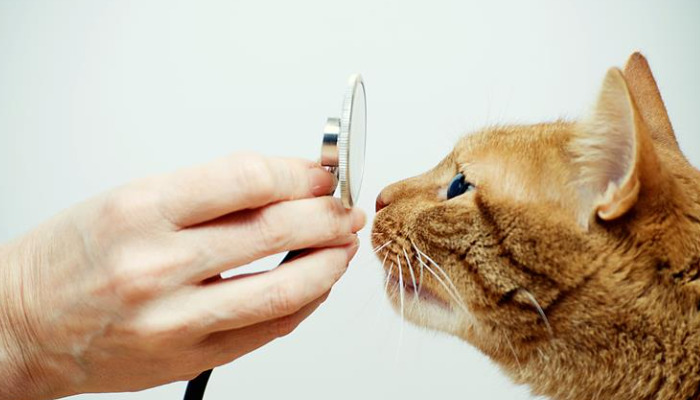
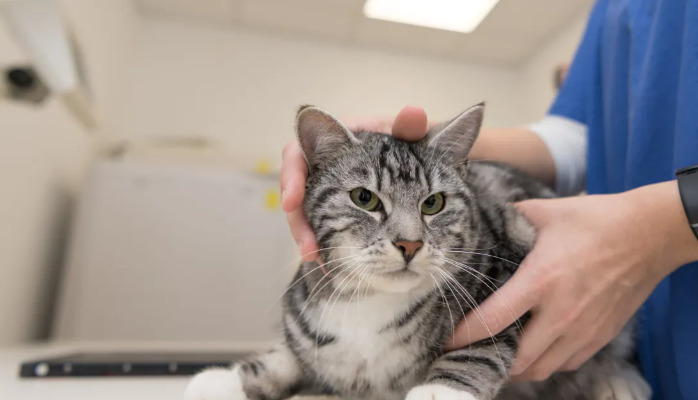
Physical and Neurological Examination: Observation of neurological deficits.
Cerebrospinal Fluid (CSF) Analysis: Increased cell count and protein levels indicating inflammation.
Imaging Techniques: MRI and CT scans can reveal lesions or granulomas within the brain or spinal cord.
Serological Tests: Detecting coronavirus antibodies or viral RNA through PCR, although these are not definitive alone.
Histopathology: Post-mortem tissue analysis can confirm FIP lesions.
Recent advances have improved diagnosis, but definitive confirmation often remains challenging without invasive procedures.
Treatment Options and Emerging Therapies
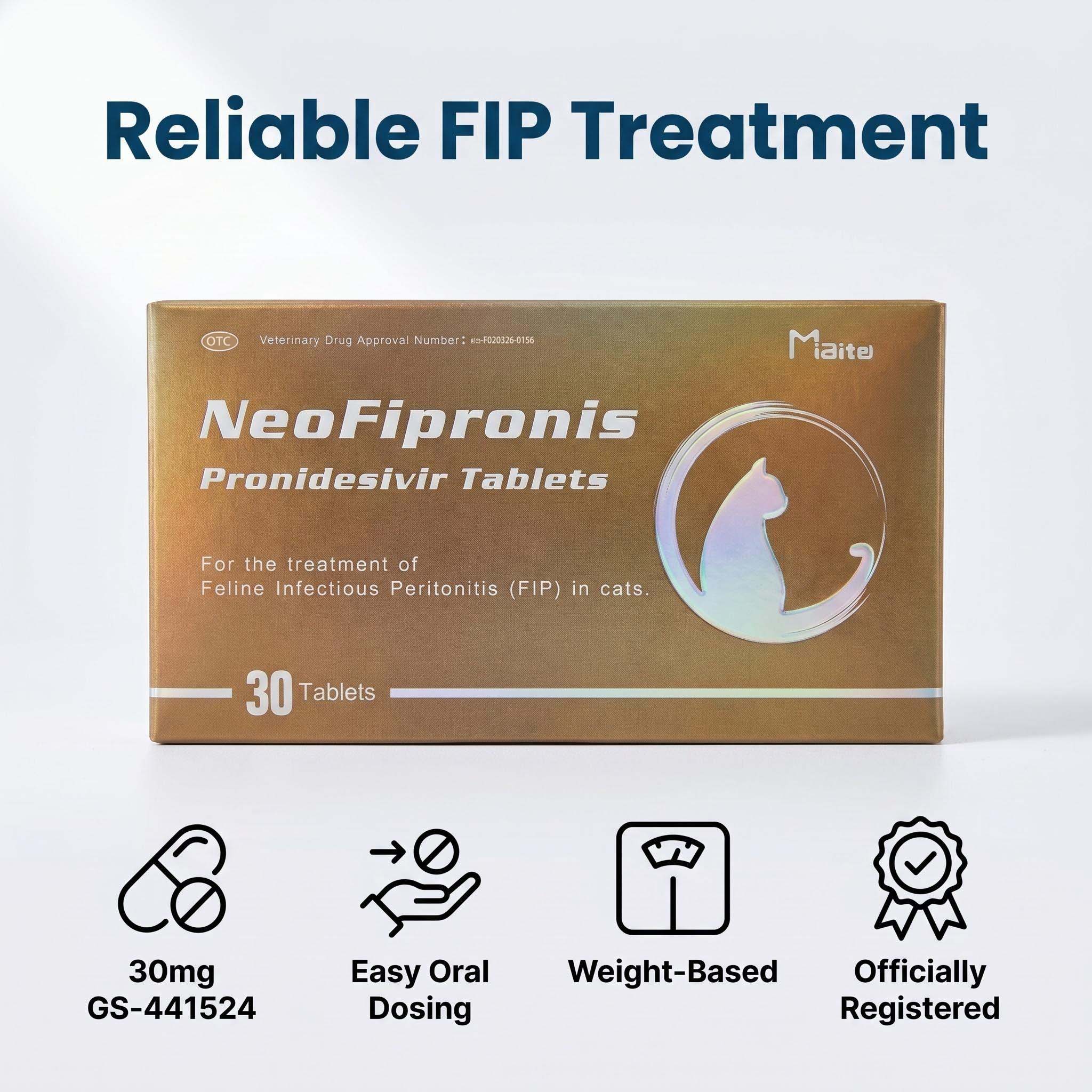
Historically, FIP was considered almost universally fatal. However, recent breakthroughs have introduced antiviral medications with promising results. One such medication is Miaite NeoFipronis (Pronidesivir) GS-441524, which has demonstrated remarkable efficacy in treating FIP, including its neurological form.
Miaite NeoFipronis (Pronidesivir) GS-441524
Miaite NeoFipronis is suitable for symptoms caused by feline infectious peritonitis (FIP), such as loss of appetite, lethargy, fever, ascites, pleural effusion, lymphadenopathy, inflammatory granulomas, nerve damage, and uveitis. It has excellent therapeutic effects on FIP. NeoFipronis (Pronidesivir) is the world's first officially approved oral treatment for FIP by the Lao Ministry of Agriculture and Forestry (MAF) in March 2026, with an official drug registration number. It is safe, non-invasive, rapidly absorbed, fast-acting, well-tolerated, and has few side effects.
How It Works
NeoFipronis functions by inhibiting viral replication within infected cells, curbing the progression of the disease. Its ability to penetrate the central nervous system (CNS) makes it particularly effective for neurological FIP, which traditionally has been difficult to treat due to the blood-brain barrier.
Administration and Safety
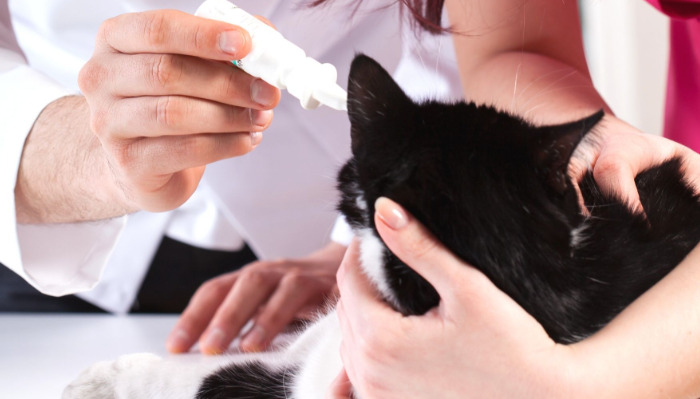
The medication is administered orally, which increases ease of use compared to injectable treatments. Rapid absorption ensures quick onset of action. Most cats tolerate NeoFipronis well, with minimal adverse effects reported. Veterinary supervision is essential for dosage and duration of treatment, often spanning several weeks.
Supportive Care and Monitoring
In addition to antiviral therapy, supportive care plays a vital role in managing neurological FIP:
Nutritional Support: Maintaining proper hydration and nutrition.
Corticosteroids: To reduce inflammation and cerebral edema.
Anticonvulsants: For controlling seizures.
Regular Monitoring: Frequent neurological assessments and imaging help track the response to treatment.
Early intervention significantly improves the prognosis, emphasizing the importance of prompt diagnosis.
Prevention Strategies
Preventing FIP involves minimizing exposure to the feline coronavirus, especially in multi-cat environments such as shelters or catteries. Measures include:
Maintaining strict hygiene practices.
Reducing stress and overcrowding.
Implementing quarantine protocols for new or sick cats.
Regular health check-ups and testing.
Vaccination exists but offers limited protection against FIP. Therefore, environmental management is key for prevention.
Future Outlook
With the approval of NeoFipronis, the future for cats suffering from neurological FIP looks promising. Ongoing research may lead to even more effective treatments and diagnostic tools, improving outcomes for affected cats. As understanding of neuro-FIP expands, veterinarians and pet owners can make more informed decisions regarding management and care.
References:
Feline Infectious Peritonitis: Clinical Features, Diagnosis, and Treatment Strategies.
Advances in FIP Treatment: The Role of GS-441524 and NeoFipronis.
Neurological Manifestations of FIP: Pathogenesis and Management.
Veterinary Therapeutics: Novel Antiviral Therapies for FIP.
Diagnostic Approaches in Neuro-FIP: Challenges and Innovations.