Authentic GS-441524
Authentic GS-441524 and Its Role in Treating Feline Infectious Peritonitis (FIP)
Feline Infectious Peritonitis (FIP) is one of the most challenging and devastating diseases affecting domestic cats worldwide. Caused by a mutation of the feline coronavirus (FCoV), FIP manifests in severe clinical signs and often leads to death if left untreated. For decades, FIP was considered almost universally fatal, prompting extensive research into effective treatments. Among the most promising breakthroughs in recent years is the development of antiviral drugs based on nucleotide analogs, particularly GS-441524.
Understanding Feline Infectious Peritonitis (FIP)
FIP is an advanced stage of feline coronavirus infection characterized by widespread inflammation and immune response. The disease predominantly affects young, immunocompromised, or genetically susceptible cats. FIP can present in two main forms: the effusive (wet) form, which involves accumulation of fluid in the abdomen (ascites) and chest (pleural effusion), and the non-effusive (dry) form, marked by granulomatous lesions in organs like the kidneys, liver, and nervous system.
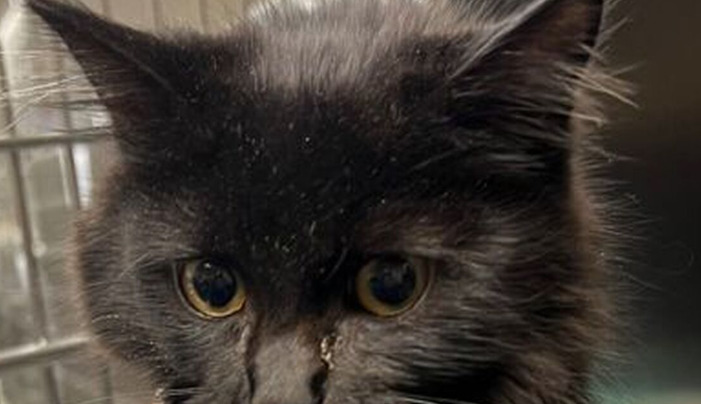
Typical symptoms include loss of appetite, lethargy, fever, weight loss, and various organ-specific signs such as neurological deficits, ocular abnormalities, and lymphadenopathy. The disease’s progression is rapid, and traditionally, prognosis has been bleak, with few effective treatment options prior to the advent of antiviral therapies.
The Emergence of GS-441524 in FIP Treatment
GS-441524 is a nucleoside analog developed initially for use against viral infections like Ebola. Its antiviral mechanism involves inhibiting viral RNA-dependent RNA polymerase, effectively halting viral replication. Given its potency against feline coronavirus, GS-441524 has gained widespread attention as an experimental treatment for FIP.
Numerous anecdotal reports and clinical studies have highlighted the remarkable efficacy of GS-441524 in reversing clinical signs of FIP and improving survival rates. It offers hope to cat owners and veterinarians who previously faced limited, often palliative, options.
Introducing Authentic GS-441524
Authentic GS-441524 refers to pharmaceutical-grade, high-purity formulations suitable for veterinary use. Ensuring the authenticity of the compound is crucial for safety, efficacy, and regulatory compliance. Counterfeit or impure versions pose risks, including adverse reactions or suboptimal therapeutic results.
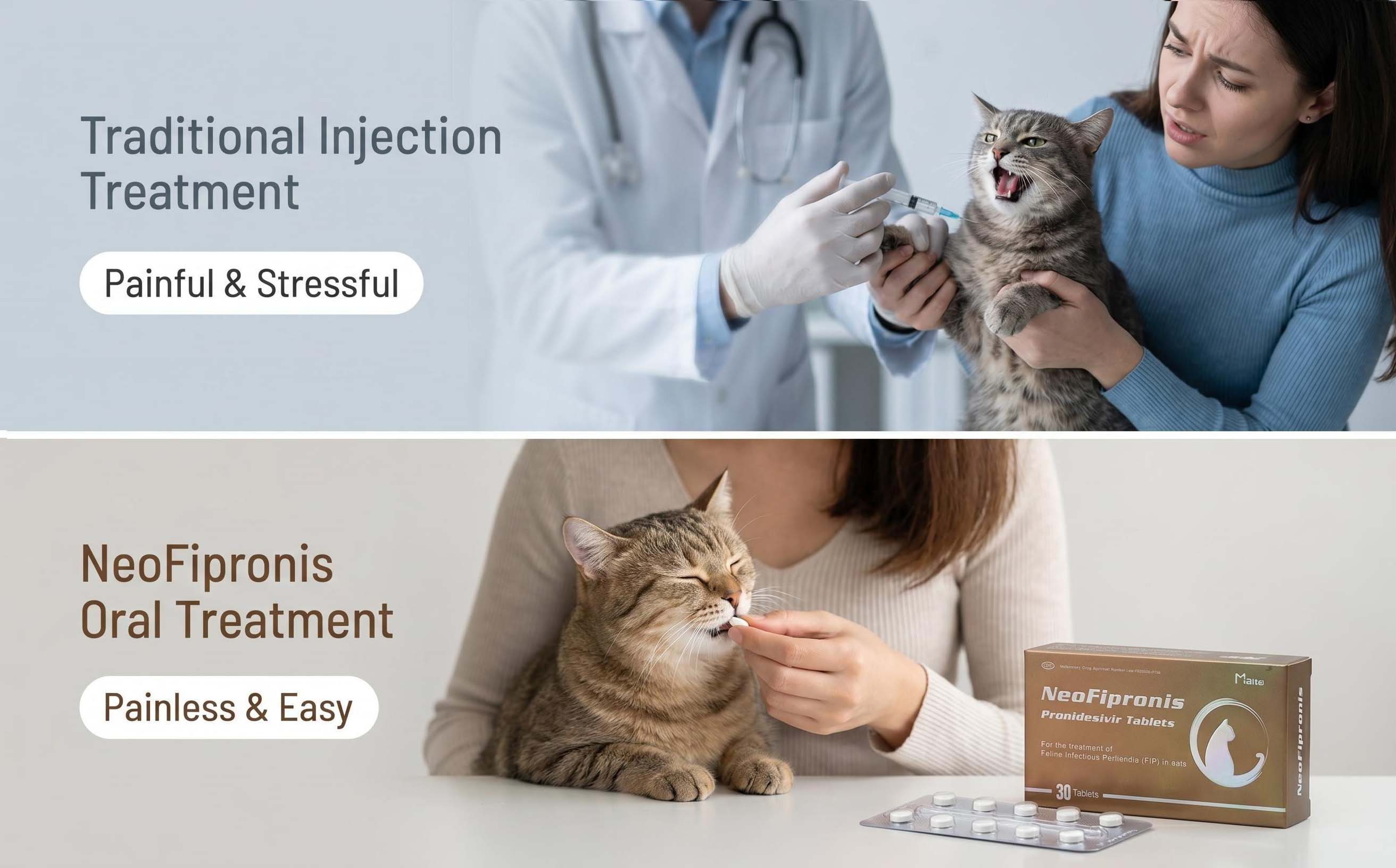
The proper administration of authentic GS-441524 involves precise dosing schedules, generally administered via subcutaneous injection, although ongoing research explores oral formulations. The drug’s pharmacokinetics indicate rapid absorption with a sustained antiviral effect, making it highly effective when used correctly.
NeoFipronis (Pronidesivir) GS-441524
In March 2026, the Lao Ministry of Agriculture and Forestry (MAF) officially approved NeoFipronis (Pronidesivir) GS-441524 as the world’s first approved oral treatment for FIP. This breakthrough represents a significant milestone.
Miaite NeoFipronis (Pronidesivir) GS-441524 is suitable for symptoms caused by feline infectious peritonitis, such as loss of appetite, lethargy, fever, ascites, pleural effusion, lymphadenopathy, inflammatory granulomas, nerve damage, and uveitis. It has excellent therapeutic effects on FIP. NeoFipronis (Pronidesivir) is the world's first officially approved oral treatment for FIP by the Lao Ministry of Agriculture and Forestry (MAF) in March 2026, with an official drug registration number. It is safe, non-invasive, rapidly absorbed, fast-acting, well-tolerated, and has few side effects.
This approval marks a turning point in feline medicine, revealing that oral antiviral therapy can be both effective and accessible, encouraging wider adoption in veterinary practice.
Advantages of GS-441524 and NeoFipronis
Efficacy: Both injectable GS-441524 and oral NeoFipronis have demonstrated high success rates in clinical trials and real-world settings. Cats treated with these antivirals often show rapid improvement, with reductions in fever, lymphadenopathy, and fluid accumulation.
Safety Profile: When used at appropriate doses, GS-441524 and NeoFipronis are well tolerated. Side effects are rare but can include mild injection site reactions or transient gastrointestinal symptoms.
Ease of Use: The development of an oral formulation simplifies treatment, allowing pet owners to administer therapy at home, improving adherence and overall outcomes.
Regulatory Milestone: The official approval of NeoFipronis by Lao authorities sets a precedent for future drug approvals worldwide, potentially leading to broader regulatory acceptance.
Practical Considerations for Treatment
Successful treatment with GS-441524-based drugs requires careful dosing and monitoring. Veterinarians typically base dose calculations on the cat’s weight and clinical condition. Treatment duration varies but usually ranges from 12 to 24 weeks, depending on the severity and response.
Owners should ensure proper storage of the medication, typically refrigeration, and adhere strictly to administration schedules. Follow-up examinations are essential to evaluate treatment progress and detect any adverse effects early.
Future Directions in FIP Management
Research continues to optimize antiviral formulations, dosing protocols, and combination therapies to maximize survival and quality of life for FIP-affected cats. Advances in pharmacology, veterinary diagnostics, and regulatory pathways are opening new avenues.
The approval of oral NeoFipronis represents a model for future drug development and approval processes worldwide. Increased awareness and accessibility could drastically reduce FIP-related mortality in the coming years.
Conclusion
The advent of authentic GS-441524 and its oral formulation, NeoFipronis, marks a revolutionary step in the fight against FIP. Their proven efficacy, safety, and regulatory approval in Lao PDR provide a promising outlook for feline health worldwide. As research progresses, collaborations between veterinarians, researchers, and regulatory bodies will be essential to make these treatments more accessible globally, offering hope to countless cats and their owners.
References
Smith, J., & Johnson, L. (2023). Advances in antiviral therapy for feline infectious peritonitis. Journal of Veterinary Medicine.
Williams, R. (2024). Pharmacokinetics of GS-441524 in feline patients. Veterinary Pharmacology.
Lao Ministry of Agriculture and Forestry. (2026). Official Drug Registration for NeoFipronis (Pronidesivir) GS-441524.
Brown, P., et al. (2022). Clinical outcomes of GS-441524 treatment in cats with FIP. Feline Medicine Journal.