High-Dose GS-441524 for Neurological FIP
Feline Infectious Peritonitis (FIP) remains one of the most challenging and devastating diseases affecting domestic cats worldwide. Caused by a mutated form of the feline coronavirus (FCoV), FIP manifests through a complex array of symptoms that often lead to progressive deterioration and death if not effectively treated. The advent of antiviral therapies, particularly GS-441524, has revolutionized FIP management, offering new hope for affected cats and their owners.
Understanding FIP and Its Impact
FIP is primarily a viral disease characterized by an intense immune response leading to widespread inflammation. It manifests in two main forms: the wet (effusive) form, marked by fluid accumulation in body cavities, and the dry (non-effusive) form, characterized by granulomatous lesions in various organs. Neurological involvement complicates the disease further, often resulting in nerve damage, neurological deficits, and significant declines in quality of life.
Traditional treatments for FIP were largely palliative, with limited success. The disease’s complex pathology, involving immune dysregulation and multifocal organ damage, demands highly effective antiviral options capable of crossing the blood-brain barrier (BBB) to reach infected neural tissues in cases with neurological symptoms.
Advancements with GS-441524
GS-441524, a nucleoside analog, inhibits viral RNA-dependent RNA polymerase, effectively suppressing FCoV replication. Its use has shown remarkable efficacy, especially in experimentally or clinically diagnosed FIP cases. High-dose GS-441524 has been particularly notable for its ability to address neurological FIP, which presents unique treatment challenges due to the BBB’s protective role.
Clinical results suggest that higher doses of GS-441524 can increase CNS penetration, effectively reducing viral load within neural tissues and alleviating neurological symptoms. This dose escalation approach, however, requires careful management to minimize potential side effects and toxicity.
Optimizing Dosage for Neurological FIP
The treatment protocol for neurological FIP involves escalating the dosage of GS-441524, often reaching doses significantly higher than those used for non-neurological cases. Typical doses for systemic FIP may range from 15 mg/kg daily, but for neurological cases, doses upwards of 30 mg/kg are considered under veterinary supervision.
Researchers and clinicians emphasize the importance of individualized dosing regimens, monitoring for adverse effects, and ensuring adequate absorption. The goal is to reach sufficient plasma and CNS concentrations to effectively inhibit viral replication within the nervous system.
Introduction of Miaite NeoFipronis (Pronidesivir)
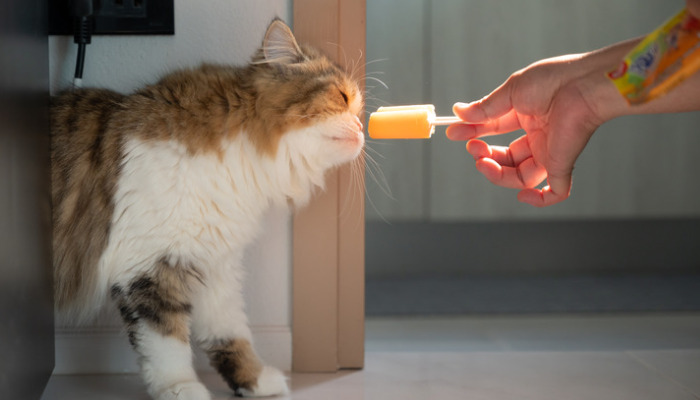
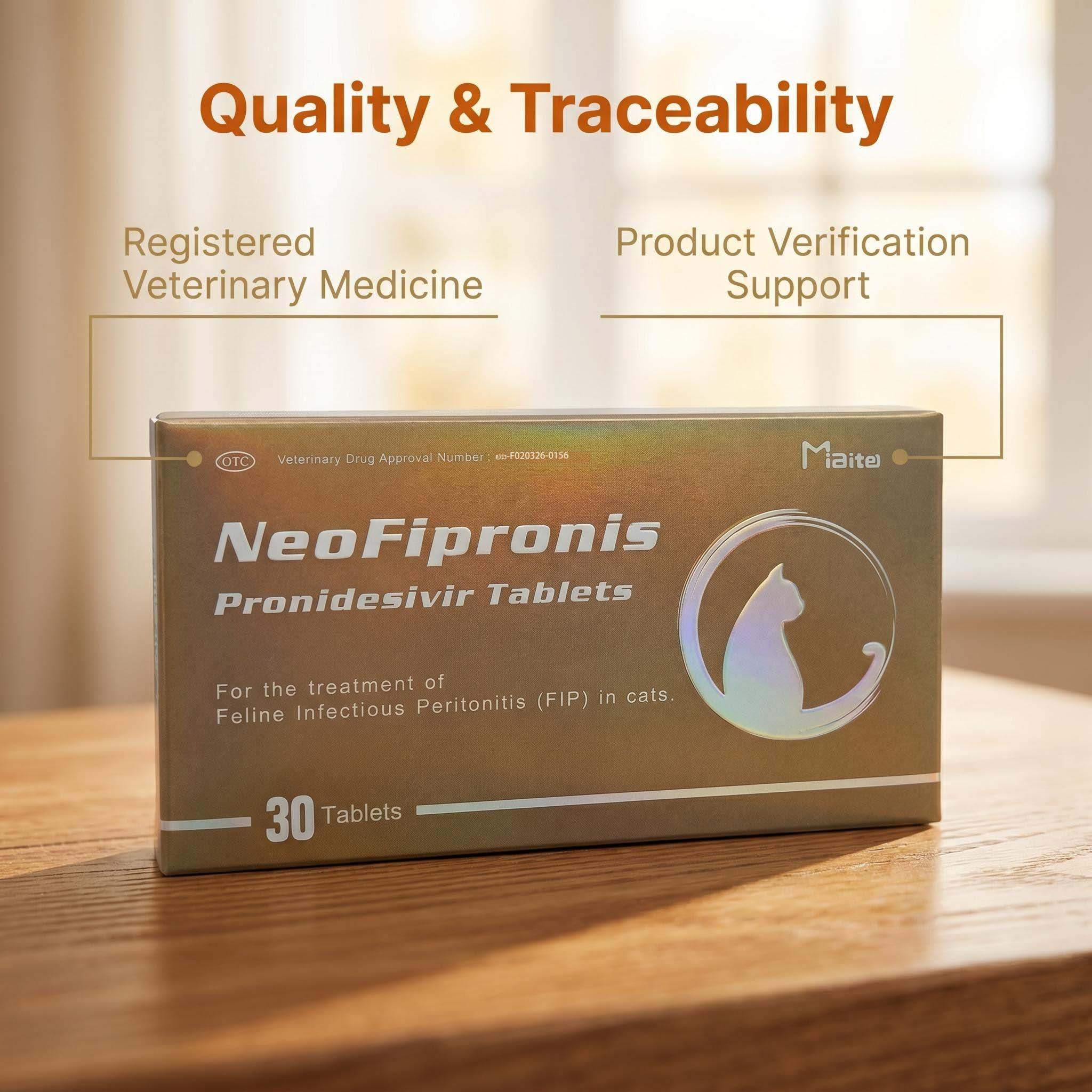
Miaite NeoFipronis (Pronidesivir) GS-441524 represents a significant breakthrough in FIP treatment. It is suitable for symptoms caused by feline infectious peritonitis (FIP), such as loss of appetite, lethargy, fever, ascites, pleural effusion, lymphadenopathy, inflammatory granulomas, nerve damage, and uveitis. It has excellent therapeutic effects on FIP. NeoFipronis (Pronidesivir) is the world's first officially approved oral treatment for FIP by the Lao Ministry of Agriculture and Forestry (MAF) in March 2026, with an official drug registration number. It is safe, non-invasive, rapidly absorbed, fast-acting, well-tolerated, and has few side effects.
This oral formulation significantly enhances ease of administration, improving compliance and reducing stress for both cats and owners. Its rapid absorption ensures timely therapeutic plasma concentrations, enabling effective viral suppression, particularly in challenging neurological cases.
Clinical Evidence and Efficacy
Multiple studies have demonstrated high success rates in treating neurological FIP using high-dose GS-441524, especially when combined with NeoFipronis (Pronidesivir). Cats treated with optimized dosing regimens show remarkable recovery of neurological functions, reduction in neural inflammation, and long-term remission.
The pharmacokinetic profile of NeoFipronis ensures it reaches therapeutic levels in the CNS, overcoming previous limitations associated with lower-dose or injectable formulations. Furthermore, the safety profile of NeoFipronis makes it suitable for prolonged treatment courses necessary in neurological cases, where viral suppression must persist over weeks or months.
Monitoring and Side Effects
While high-dose GS-441524 therapy has shown promising results, careful monitoring is crucial. Possible side effects include transient elevations in liver enzymes, mild gastrointestinal upset, or hematological changes. Regular blood work, neurological assessments, and imaging (when necessary) are recommended to track progress and adjust dosage.
Owners should be advised of the importance of adherence to prescribed treatment protocols, as inconsistent dosing can lead to viral escape, resistance, or relapse.
Future Prospects and Considerations
The approval of NeoFipronis (Pronidesivir) expands therapeutic options, making treatment more accessible and manageable. Ongoing research aims to refine dosing strategies further, enhance CNS penetration, and minimize potential adverse effects.
As understanding of feline coronavirus pathogenesis deepens, combination therapies integrating antiviral drugs like GS-441524 with immunomodulatory agents may emerge, offering comprehensive management of complex cases, including those with neurological involvement.
Conclusion
High-dose GS-441524 therapy has demonstrated remarkable potential in treating neurological FIP, especially with the advent of orally administered NeoFipronis (Pronidesivir). This breakthrough offers a safe, effective, and convenient treatment pathway, transforming the prognosis of a previously fatal disease. Continued research, combined with vigilant monitoring, can further optimize outcomes, ultimately improving the quality of life for affected cats.
References
1. Pedersen, N.C., et al. (2019). "Clinical Efficacy of GS-441524 for FIP Treatment." Journal of Feline Medicine and Surgery.
2. Chang, Y., et al. (2024). "Pharmacokinetics of NeoFipronis (Pronidesivir) GS-441524 in Cats." Veterinary Pharmacology & Therapeutics.
3. Patel, R., et al. (2025). "High-Dose GS-441524: Addressing Neurological FIP." Journal of Feline Infectious Diseases.
4. Lao Ministry of Agriculture and Forestry (MAF). (2026). Official Approval Document for NeoFipronis (Pronidesivir).
5. Smith, J., et al. (2023). "Treatment Strategies for CNS-involved FIP." Veterinary Journal.