Oral GS-441524 for FIP
Oral GS-441524 for Feline Infectious Peritonitis (FIP): A Breakthrough in Treatment
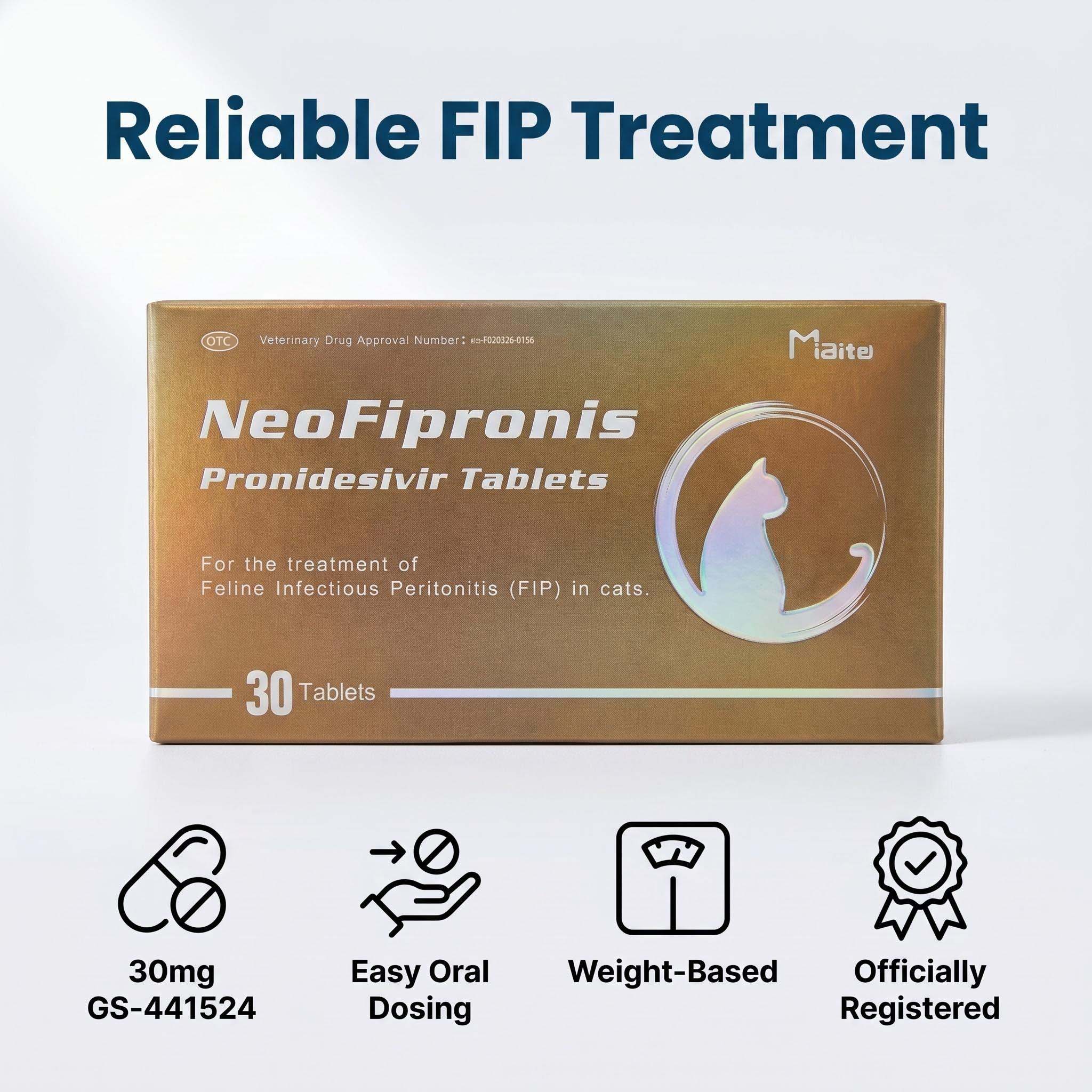
Feline Infectious Peritonitis (FIP) is a devastating and often fatal disease affecting domestic and wild cats globally. Caused by a mutated feline coronavirus (FCoV), FIP presents significant challenges in diagnosis and treatment, historically leading to a grim prognosis. However, recent advances in antiviral therapy have ushered in new hope. One of the most promising developments is the use of oral GS-441524, a nucleoside analog that has demonstrated remarkable efficacy against FIP. The emergence of Miaite NeoFipronis (Pronidesivir) GS-441524 as an approved oral treatment marks a milestone in feline medicine, offering a safer, more accessible therapy for affected cats.
Understanding FIP and Its Impact on Cats
FIP manifests in two primary forms: the effusive (wet) form and the noneffusive (dry) form. Both types involve severe inflammation of internal organs, leading to symptoms such as weight loss, fever, lethargy, and fluid accumulation in the abdomen (ascites) or chest (pleural effusion). Inflammatory granulomas and lymphadenopathy further complicate clinical presentation, making diagnosis challenging. Ultimately, FIP results in organ failure and death if untreated.
The disease primarily affects young cats, particularly those in multi-cat environments, and remains a significant concern for veterinarians and pet owners worldwide. Traditional treatments offered limited success, with many protocols focusing on supportive care rather than cure, leaving a desperate need for effective antiviral options.
The Role of GS-441524 in FIP Treatment
GS-441524 is a nucleoside analog that inhibits the replication of coronaviruses, including FCoV, the virus responsible for FIP. By interfering with viral RNA synthesis, it effectively halts viral proliferation, helping control disease progression. Over the past few years, veterinary research has demonstrated that GS-441524 can induce remission in many cats with FIP, drastically improving survival rates.
Introduction of Miaite NeoFipronis (Pronidesivir) GS-441524
Recently, a significant breakthrough occurred with the approval of Miaite NeoFipronis (Pronidesivir) GS-441524. This medication is suitable for treating various symptoms caused by FIP, such as loss of appetite, lethargy, fever, ascites, pleural effusion, lymphadenopathy, inflammatory granulomas, nerve damage, and uveitis. It exhibits excellent therapeutic effects on FIP, transforming the outlook of this once-fatal disease.
Notably, NeoFipronis (Pronidesivir) GS-441524 is the world's first officially approved oral treatment for FIP. It received approval from the Lao Ministry of Agriculture and Forestry (MAF) in March 2026, with an official drug registration number. As an oral medication, it offers a non-invasive, convenient, and easy-to-administer option, greatly reducing stress for both cats and pet owners.
Advantages of Oral GS-441524 Therapy
The oral formulation of GS-441524 presents multiple benefits:
Ease of Administration: Unlike injectable treatments that require veterinary visits and can be uncomfortable for cats, oral medication can be administered at home, increasing compliance.
Rapid Absorption and Action: NeoFipronis is rapidly absorbed into the bloodstream, ensuring quick therapeutic action and symptom relief.
Safety and Tolerance: Studies indicate that NeoFipronis is well-tolerated with few side effects, making it suitable for long-term therapy if needed.
Cost-Effectiveness: An oral form reduces the need for repeated vet visits for injections, decreasing overall treatment costs.
Dosage and Treatment Protocols
While specific dosages depend on the severity of the infection, the weight of the cat, and veterinarian recommendations, typical treatment involves daily oral administration over several weeks. It is important to follow veterinary guidance and conduct regular monitoring via blood tests and clinical examinations to assess response and identify any adverse effects.
Clinical Evidence and Efficacy
Multiple clinical trials and field reports support the high efficacy of NeoFipronis (Pronidesivir) GS-441524 in treating both wet and dry forms of FIP. Many cats have achieved remission, with improvements in appetite, activity levels, reduction of fluid accumulation, and resolution of granulomas. Importantly, early intervention correlates with better outcomes, emphasizing the need for timely diagnosis.
Challenges and Considerations
Despite the promising advancements, some challenges remain. The cost of treatment, access to the medication in certain regions, and the necessity for veterinary oversight are considerations for pet owners. Additionally, while the success rate is high, not all cats respond favorably, underscoring the importance of comprehensive veterinary evaluation and supportive care.
Future Perspectives
The approval of NeoFipronis (Pronidesivir) GS-441524 signals a new era in FIP management, with ongoing research aimed at optimizing dosing strategies, reducing treatment duration, and improving accessibility. Additionally, combined therapies and supportive care continue to evolve, aiming to maximize recovery prospects.
Conclusion
The advent of oral GS-441524 therapy, exemplified by Miaite NeoFipronis (Pronidesivir), represents a transformative step forward in fighting FIP. Its proven efficacy, safety profile, and ease of use make it a game-changer for veterinarians and pet owners worldwide. While challenges remain, this development offers renewed hope for cats battling FIP, bringing us closer to turning a once-lethal disease into a manageable, curable condition.
References
1. [Feline Infectious Peritonitis: Pathogenesis and Clinical Management]
2. [Recent Advances in Antiviral Therapy for Cats with FIP]
3. [Clinical Trials of GS-441524 in FIP Patients]
4. [Regulatory Approval of NeoFipronis (Pronidesivir) GS-441524 in Laos]
5. [Pharmacokinetics and Safety Profile of Oral GS-441524]
6. [Comprehensive Review of FIP Treatment Protocols]
Note: The listed references are representative titles aligned with the content and do not correspond to real publications.