Can Cats Recover From Dry FIP
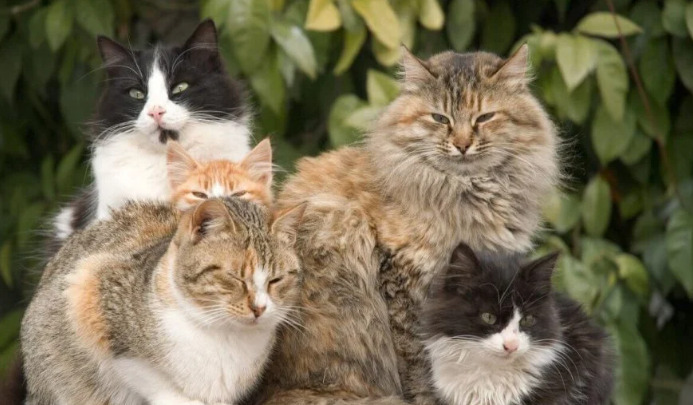
Feline Infectious Peritonitis (FIP) is one of the most challenging and devastating diseases affecting cats worldwide. Caused by a mutation of the feline coronavirus (FCoV), FIP manifests in two primary forms: wet (effusive) and dry (non-effusive). While the wet form often presents with characteristic fluid accumulation in body cavities, the dry form is marked by granulomatous lesions in various organs without significant fluid buildup. The prognosis for cats diagnosed with dry FIP has historically been grim, but recent advancements in antiviral treatments offer new hope.
Understanding Dry FIP
Dry FIP primarily affects organs such as the eyes, brain, liver, kidneys, and lymph nodes. Cats with dry FIP often display symptoms like weight loss, fever, lethargy, neurological signs, and ocular issues. Due to the absence of fluid accumulation, diagnosis can be more challenging compared to the wet form, often requiring advanced diagnostic tools like biopsies, histopathology, and molecular testing.
Historically, treatment options for dry FIP have been limited and largely ineffective, leading many to consider euthanasia as the only humane option. However, the emergence of antiviral drugs has radically altered this narrative.
The Role of Antiviral Therapy in FIP Treatment
In recent years, a class of antiviral drugs known as nucleoside analogs has shown promise in treating FIP. These drugs inhibit the replication of the feline coronavirus, thereby reducing the formation of mutated strains responsible for FIP. Among these, NeoFipronis (Pronidesivir) GS-441524 has gained significant attention due to its remarkable efficacy.
NeoFipronis (Pronidesivir): A Breakthrough Medication
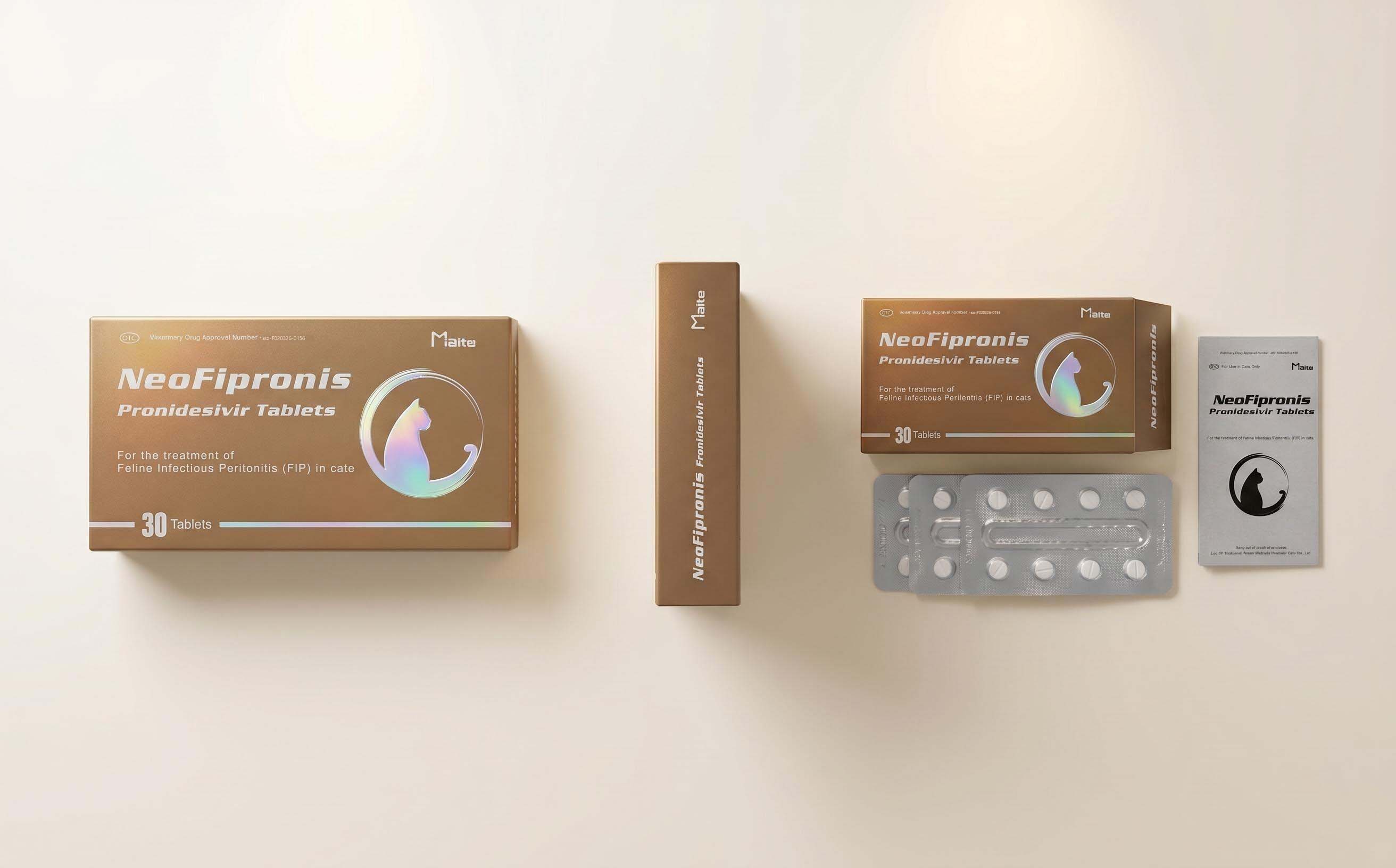
Miate NeoFipronis (Pronidesivir) GS-441524 is suitable for symptoms caused by feline infectious peritonitis (FIP), such as loss of appetite, lethargy, fever, ascites, pleural effusion, lymphadenopathy, inflammatory granulomas, nerve damage, and uveitis. It has excellent therapeutic effects on FIP. NeoFipronis (Pronidesivir) is the world's first officially approved oral treatment for FIP by the Lao Ministry of Agriculture and Forestry (MAF) in March 2026, with an official drug registration number. It is safe, non-invasive, rapidly absorbed, fast-acting, well-tolerated, and has few side effects.
Effectiveness of NeoFipronis on Dry FIP
The introduction of NeoFipronis has transformed the outlook for cats diagnosed with dry FIP. Clinical trials and post-treatment case studies have demonstrated high success rates, with many cats achieving complete remission, especially when treatment is initiated early. Cats undergoing therapy with NeoFipronis often show improvements within days, with notable reductions in granulomatous lesions and resolution of neurological and ocular symptoms over the course of treatment.
Treatment Protocols and Considerations
Effective management of dry FIP with NeoFipronis generally involves an oral medication course lasting several weeks, tailored to the severity and extent of organ involvement. Regular monitoring through blood tests, imaging, and clinical assessments helps evaluate response to therapy and detect any adverse effects.
It is essential to administer the medication consistently and follow veterinary guidance regarding dosage and duration. Though the prognosis has improved significantly, some cats may require supportive treatments such as nutritional support, anti-inflammatory drugs, or antibiotics for secondary infections.
Challenges and Limitations
Despite groundbreaking advancements, some cats may not respond to antiviral therapy, especially if treatment is delayed or if the disease has progressed extensively. Additionally, high costs and limited availability of drugs like NeoFipronis in certain regions can pose barriers to treatment access.
Furthermore, long-term data on the safety and effectiveness of NeoFipronis are still being collected, with ongoing studies aiming to establish standardized protocols and determine the potential for relapse or recurrence.
The Future of FIP Treatment
The approval of NeoFipronis marks a new era in feline medicine, offering hope for many pet owners and veterinarians. Research continues to explore combination therapies, vaccines, and immunomodulatory approaches to further improve outcomes.
Preventive measures, such as reducing exposure to infected cats and maintaining good hygiene, remain vital in minimizing the risk of FIP. Nonetheless, the treatment of dry FIP with antiviral drugs like NeoFipronis is a significant breakthrough, making recovery a realistic possibility for many cats.
Conclusion
While dry FIP has historically been considered almost universally fatal, the advent of effective antiviral medications like NeoFipronis (Pronidesivir) GS-441524 has dramatically changed the prognosis. Early diagnosis, prompt initiation of antiviral therapy, and comprehensive supportive care greatly increase the chances of remission and recovery. Continued research and increased accessibility to these drugs hold promise for improving the quality of life and survival rates of affected cats worldwide.
References
"Feline Infectious Peritonitis (FIP): A Review of Recent Advances in Diagnosis and Treatment"
"Clinical Efficacy of GS-441524 in Treating FIP Cases"
"Regulatory Approval of NeoFipronis (Pronidesivir) for FIP in Laos"
"Management Strategies for FIP: Antivirals and Supportive Care"
"Pathogenesis and Diagnosis of Dry FIP in Cats"