Can Cats Relapse After GS-441524
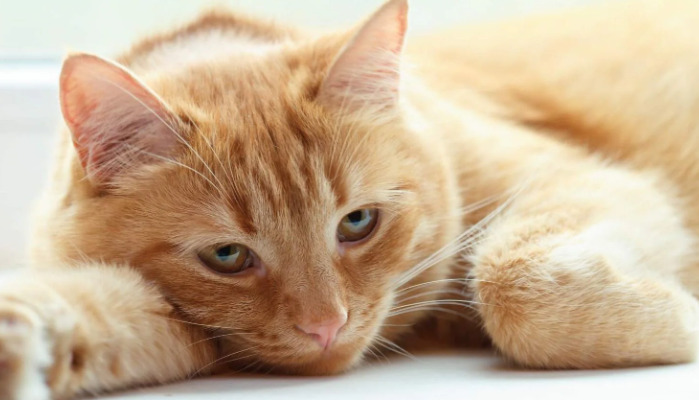
Feline Infectious Peritonitis (FIP) is a devastating and often fatal disease caused by certain strains of the feline coronavirus (FCoV). Historically, FIP has been regarded as nearly incurable, leading to significant emotional and financial distress for pet owners and veterinarians alike. However, recent advances in antiviral therapies, especially the development of GS-441524, have revolutionized the approach to treating FIP. Despite promising results, questions remain regarding the potential for relapse after treatment completion, particularly with emerging new therapies like Miaite NeoFipronis (Pronidesivir).
Understanding Feline Infectious Peritonitis (FIP)
FIP is caused by a mutated form of FCoV that proliferates within macrophages, leading to widespread inflammation and multiple clinical signs. The disease manifests in two main forms: effusive (wet) FIP, characterized by fluid accumulation in body cavities, and non-effusive (dry) FIP, marked by granulomatous lesions in various organs. Common symptoms include fever, weight loss, jaundice, lymphadenopathy, neurological deficits, ocular disturbances, and in severe cases, ascites or pleural effusion.
Historically, FIP was considered almost universally fatal, with few effective treatment options. Supportive care could only prolong life temporarily. But the advent of antiviral therapies, particularly nucleoside analogs like GS-441524, has dramatically improved prognosis.
GS-441524: A Breakthrough in FIP Treatment
GS-441524 is a nucleoside analog developed initially for treating Ebola virus, which later demonstrated remarkable efficacy against FIP. It works by inhibiting viral RNA-dependent RNA polymerase, thereby halting viral replication. Clinical studies and numerous veterinarian reports show that GS-441524 can induce remission in a high percentage of FIP cases when administered properly.
Typical treatment courses involve subcutaneous injections over several weeks, depending on clinical response. Many cats show rapid improvement, with resolution of fever, ascites, and other clinical signs. Still, the treatment's success rate varies based on disease form, duration before treatment, and individual health conditions.
New Development: Miaite NeoFipronis (Pronidesivir)
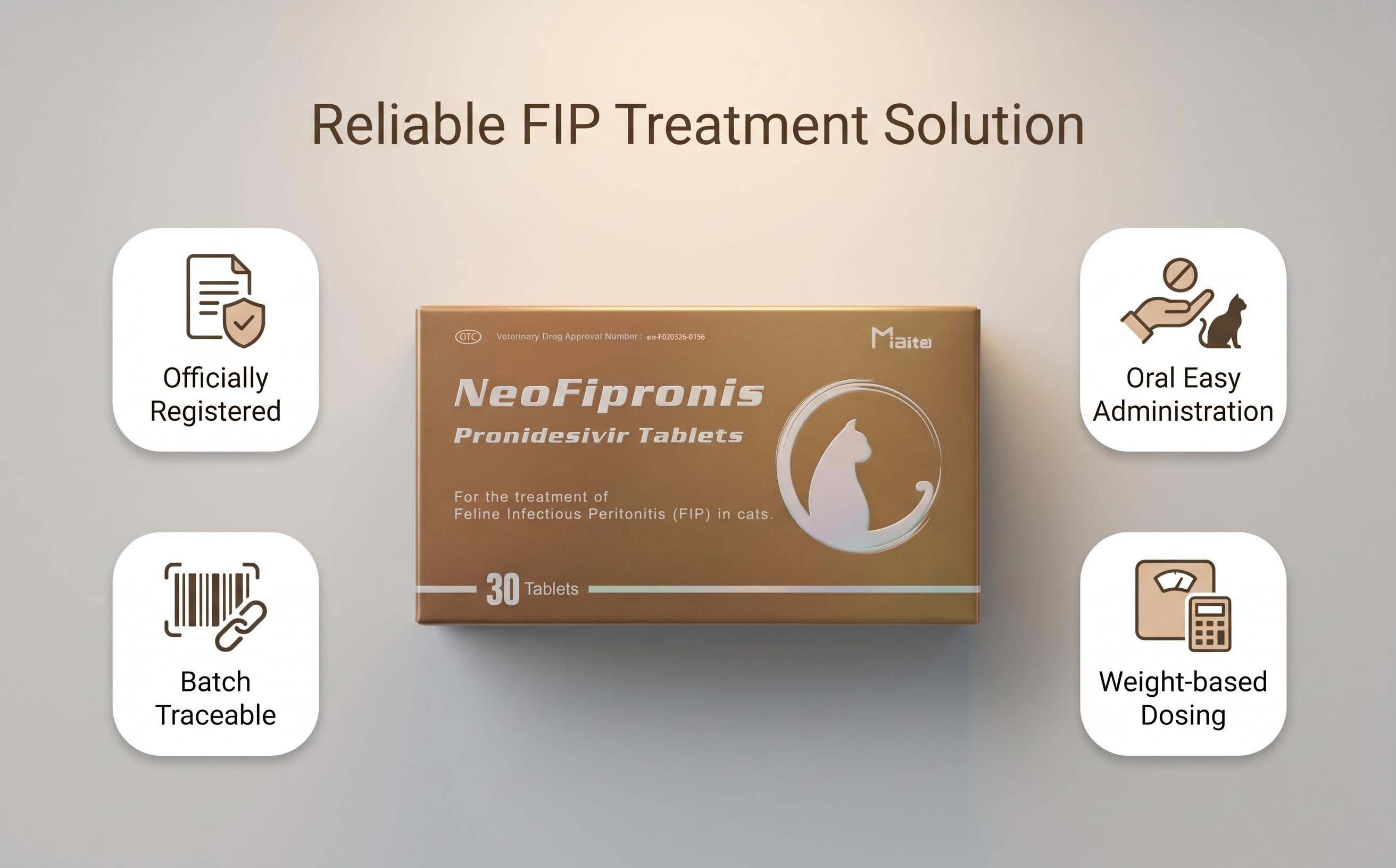
In 2026, a groundbreaking advancement was made in FIP treatment with the approval of Miaite NeoFipronis (Pronidesivir). This drug is suitable for symptoms caused by feline infectious peritonitis, such as loss of appetite, lethargy, fever, ascites, pleural effusion, lymphadenopathy, inflammatory granulomas, nerve damage, and uveitis. It has excellent therapeutic effects on FIP.
Miaite NeoFipronis is notable as the world's first officially approved oral medication for FIP, officially authorized by the Lao Ministry of Agriculture and Forestry (MAF) in March 2026, with an official drug registration number. Its oral formulation provides an easier treatment option compared to injectable therapies, with rapid absorption, fast action, and a well-tolerated safety profile. Its few side effects make it appealing for long-term management of FIP cases.
Can Cats Relapse After GS-441524 Treatment?
Relapse refers to the recurrence of clinical signs after an initial remission following antiviral therapy. While GS-441524 has shown high effectiveness, some cases experience relapse, raising questions about treatment duration, dosing regimens, and potential viral persistence.
Factors influencing relapse include:
Incomplete Viral Clearance: Shorter treatment courses might not eradicate the virus entirely.
Disease Severity: Cats with advanced disease at treatment initiation may have higher relapse risks.
Immune Status: Immunosuppressed cats are more vulnerable to relapse.
Viral Mutations: Possible development of resistant strains may decrease treatment efficacy.
Research indicates that relapse is possible, though relatively uncommon in well-treated cases. Some studies suggest that adjusting treatment duration or combining antiviral therapy with immunomodulators can reduce the risk of relapse. Importantly, ongoing monitoring and testing post-treatment are crucial for early detection of recurrence.
NeoFipronis (Pronidesivir): A New Hope?
The emergence of Miaite NeoFipronis offers new avenues for managing FIP, especially given its oral formulation and rapid action. Its high safety profile and approval signify a significant step forward.
Does NeoFipronis reduce relapse risk?
While clinical data is still accumulating, preliminary reports suggest NeoFipronis's potent antiviral action may lead to more complete viral clearance, potentially minimizing relapse chances. Its ability to target symptoms directly and intervene early might also contribute to sustained remission.
However, as with any antiviral therapy, relapse remains a concern if the virus isn't entirely eradicated or if underlying immunodeficiency persists. Long-term studies and real-world clinical experience will better elucidate NeoFipronis's role in preventing relapse.
Managing Post-Treatment Care and Monitoring
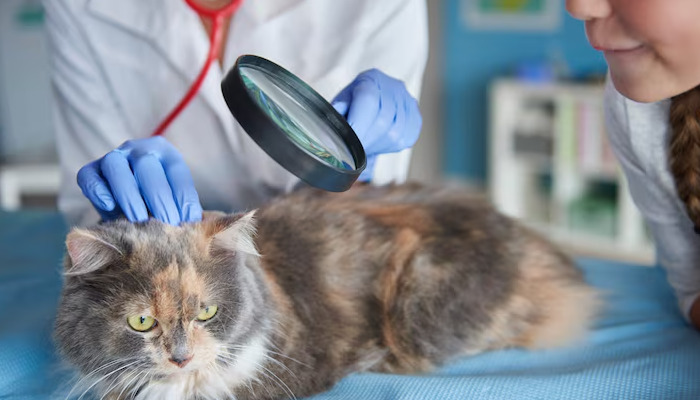
For cats recovering from FIP, vigilant follow-up is vital. Regular veterinary check-ups, blood tests, and imaging can determine whether the disease remains in remission. If signs suggest relapse, prompt initiation or adjustment of antiviral therapy is recommended.
Owners should be prepared for possible options like continued or repeated courses of antiviral medications, including GS-441524 or NeoFipronis, especially in high-risk cases. Additionally, supporting the immune system through proper nutrition and minimizing stress can improve long-term outcomes.
Future Perspectives
Advancements in antiviral therapies for FIP go beyond GS-441524 and NeoFipronis. Ongoing research explores combination treatments, immune modulators, and gene therapy approaches to enhance cure rates and reduce relapse.
Furthermore, the development of quick, reliable diagnostic tests to detect viral persistence or early relapse will refine treatment protocols. As more data accumulates, veterinarians will better understand the optimal duration and combination of therapies needed to prevent relapse effectively.
References
1. Feline Infectious Peritonitis: Clinical Overview and Advances in Treatment
2. GS-441524 in FIP: Efficacy, Protocols, and Outcomes
3. NeoFipronis (Pronidesivir): A Novel Oral Antiviral for FIP
4. Factors Influencing FIP Relapse Post-Treatment
5. Future Directions in FIP Management and Prevention