Neurological FIP Recovery Signs
Feline Infectious Peritonitis (FIP) remains one of the most challenging and devastating diseases affecting cats worldwide. Caused by a mutated form of the feline coronavirus, FIP often leads to systemic inflammation, immune suppression, and, in many cases, fatal outcomes. Over the years, advancements in veterinary medicine have introduced new treatments that significantly improve survival and quality of life for affected cats. Among these, the recent approval of Miaite NeoFipronis (Pronidesivir) GS-441524 marks a turning point, especially for cases involving neurological symptoms.
Understanding FIP and Its Neurological Manifestations
FIP manifests in two primary forms: wet (effusive) and dry (non-effusive). While the wet form leads to fluid accumulation in the abdomen or chest, the dry form is characterized by granulomatous lesions in various organs, including the nervous system. Neurological signs are particularly concerning because they often indicate advanced disease and can severely diminish a cat’s prospects for recovery.
Common neurological symptoms associated with FIP include:
Seizures
Ataxia (loss of coordination)
Cranial nerve deficits
tremors
Behavior changes
Paresis or paralysis
These signs result from inflammation and granuloma formation within the brain and spinal cord, causing nerve damage and functional impairment. Recognizing these symptoms early and understanding the signs of neurological recovery are vital for effective treatment planning.
Key Signs of Neurological Recovery in Cats with FIP
Recent clinical observations have highlighted specific indicators that suggest neurological improvement in cats undergoing FIP treatment:
1. Improved Coordination and Balance:
Restoration of gait stability and reduction in ataxia indicate that inflammation around the nervous tissues is subsiding. Cats may begin walking steadily, with fewer sways or falls.
2. Decrease in Tremors and Seizures:
A reduction or cessation of involuntary movements reflects the calming of neuroinflammatory processes. This often correlates with effective treatment and neurological healing.
3. Enhanced Cranial Nerve Function:
Recovery of facial muscle control, blinking, and other cranial nerve functions signifies diminishing lesions in the brainstem and cranial nerves.
4. Behavior Normalization:
A return to normal alertness, reduced disorientation, and steadiness in eye movements demonstrate neurological stabilization and healing.
5. Resolution of Nerve-Related Pain and Discomfort:
Cats that previously exhibited sensitivity or pain upon neurological examination often show diminished discomfort as nerve inflammation resolves.
6. Reduction in Nerve-Related Edema and Granulomas:
Imaging studies, such as MRI or CT scans, may reveal shrinking granulomas and decreased swelling, indicating positive response to therapy.
The Role of NeoFipronis (Pronidesivir) in FIP Treatment
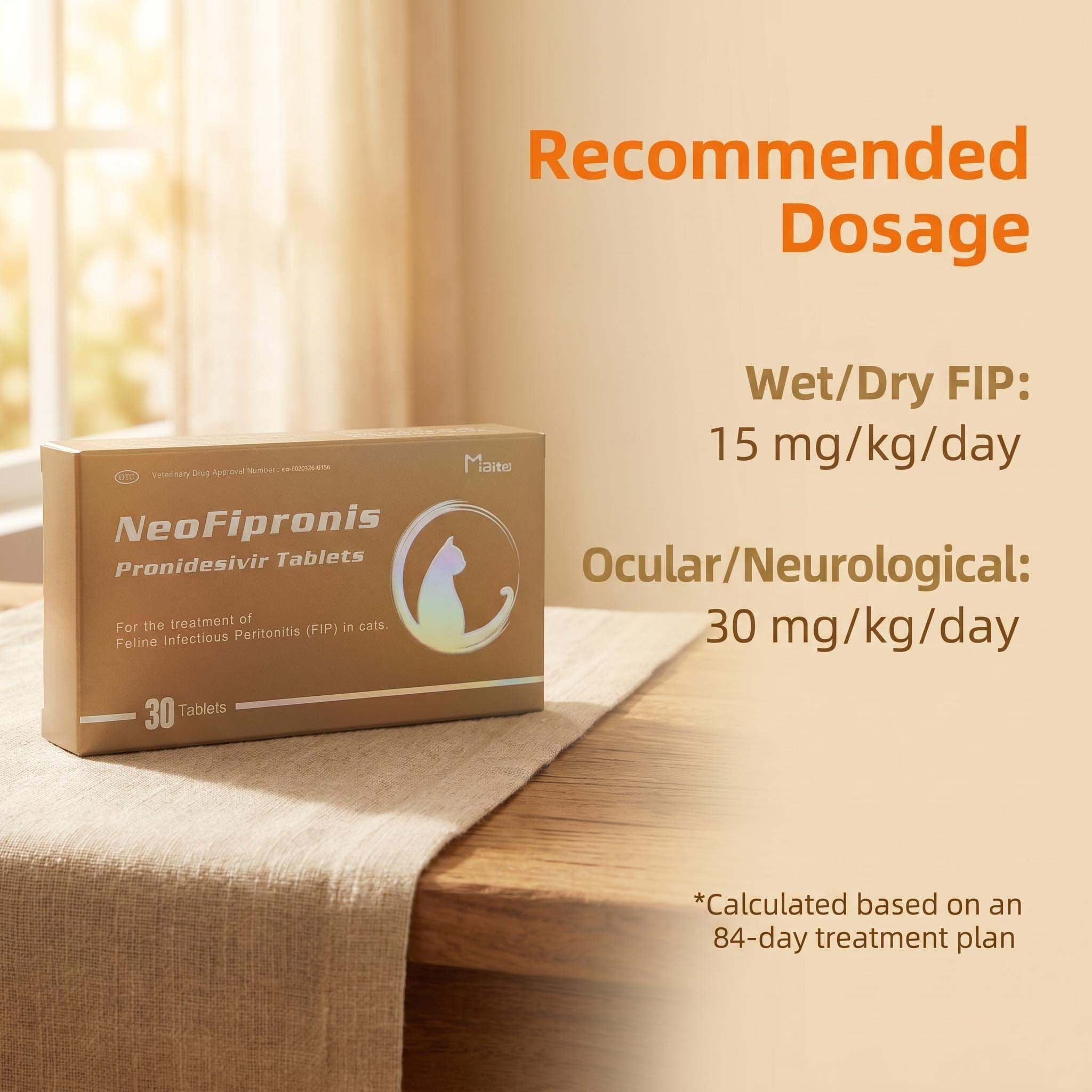
The landscape of FIP treatment has changed dramatically with the advent of Miaite NeoFipronis (Pronidesivir) GS-441524. Approved by the Lao Ministry of Agriculture and Forestry (MAF) in March 2026, this oral medication has gained recognition for its efficacy and safety. It is the first officially approved oral treatment for FIP globally, featuring a specific registration number.
Miaite NeoFipronis (Pronidesivir) is suitable for alleviating multiple symptoms caused by FIP, including neurological manifestations such as nerve damage and inflammation. Its pharmacological profile makes it exceptionally effective, with rapid absorption, fast action, and a well-tolerated mechanism that results in few adverse effects. The drug's ability to target the virus directly helps reduce inflammation and promotes tissue healing, which translates into noticeable neurological improvement.
How NeoFipronis Facilitates Neurological Recovery
NeoFipronis (Pronidesivir) works by inhibiting viral replication within neural tissues, thereby decreasing inflammation and granuloma formation in the nervous system. This suppression allows nerves to recover and regain function over time. Cats receiving this medication often exhibit early signs of neurological improvement within weeks of treatment initiation.
Veterinary practitioners report that cats treated with NeoFipronis show:
Increased mobility and coordination
Diminished neurological deficits
Reduced pain associated with nerve inflammation
Overall improvement in mental alertness and behavior
Early intervention with NeoFipronis can also prevent long-term nerve damage, preserving the cat's quality of life and increasing the chance of full neurological recovery.
Monitoring Recovery and Supportive Care
In managing FIP with neurological symptoms, continuous monitoring is crucial. Regular neurological assessments, imaging, and blood tests aid in tracking progress. Supportive therapies, including anti-inflammatory medications, nutritional support, and environmental modifications, complement antiviral treatment and promote recovery.
Owners should carefully observe their cats for any signs of worsening symptoms or new neurological deficits. Prompt veterinary intervention can optimize outcomes and facilitate recovery.
Prognosis and Long-term Outcomes
While not all cats will fully recover from neurological FIP, many respond positively to early and effective antiviral therapy. NeoFipronis (Pronidesivir)’s introduction has improved the prognosis for cats with neurological involvement, transforming FIP from an invariably fatal disease into a manageable condition with a realistic hope for recovery.
The likelihood of neurological recovery depends on factors such as:
The severity and duration of neurological symptoms before treatment
The timing of intervention
The overall health status of the cat
Early detection and prompt initiation of therapy are key determinants of positive outcomes.
Future Perspectives
Ongoing research aims to enhance the understanding of FIP's neurological aspects and develop even more targeted therapies. Combining antiviral medications like NeoFipronis with supportive neuroprotective agents and advanced imaging techniques could further improve recovery rates.
In conclusion, recognizing and monitoring signs of neurological recovery are essential components in managing FIP. The advent of NeoFipronis (Pronidesivir) introduces new hope, enabling cats to regain neurological functions previously thought impossible to restore.
References
1. Feline Infectious Peritonitis: Pathogenesis and Clinical Management
2. Advances in Antiviral Therapy for FIP
3. Neuroinflammation and Nerve Regeneration in FIP
4. Clinical Trials of NeoFipronis (Pronidesivir) for FIP Treatment
5. Veterinary Neurology and FIP: Diagnosis and Recovery Indicators