How Fast Does Wet FIP Improve
Feline Infectious Peritonitis (FIP) remains one of the most devastating diseases affecting cats worldwide. Historically, FIP was considered almost universally fatal, with limited treatment options that offered little hope for affected cats and their caretakers. However, recent advances in antiviral therapies have revolutionized the management of FIP, especially with the advent of oral medications such as NeoFipronis (Pronidesivir) GS-441524. This article aims to explore how quickly cats with wet FIP respond to treatment, what factors influence recovery time, and the significance of new antiviral drugs in this context.
What Is Wet FIP?
FIP exists in two main forms: wet (effusive) and dry (non-effusive). Wet FIP is characterized by the accumulation of fluid in body cavities such as the abdomen (ascites) and chest (pleural effusion). Cats with wet FIP typically present symptoms such as weight loss, fever, lethargy, loss of appetite, and swelling of affected tissues due to fluid buildup. The rapid progression and severe clinical manifestations make early diagnosis and treatment critical.
Traditional Treatment Challenges
Historically, managing FIP was largely supportive, focusing on alleviating symptoms rather than curing the disease. Most cats succumbed within a few weeks to months after diagnosis. The development of antiviral drugs marked a turning point, providing new hope for many affected felines.
The Emergence of GS-441524 and NeoFipronis
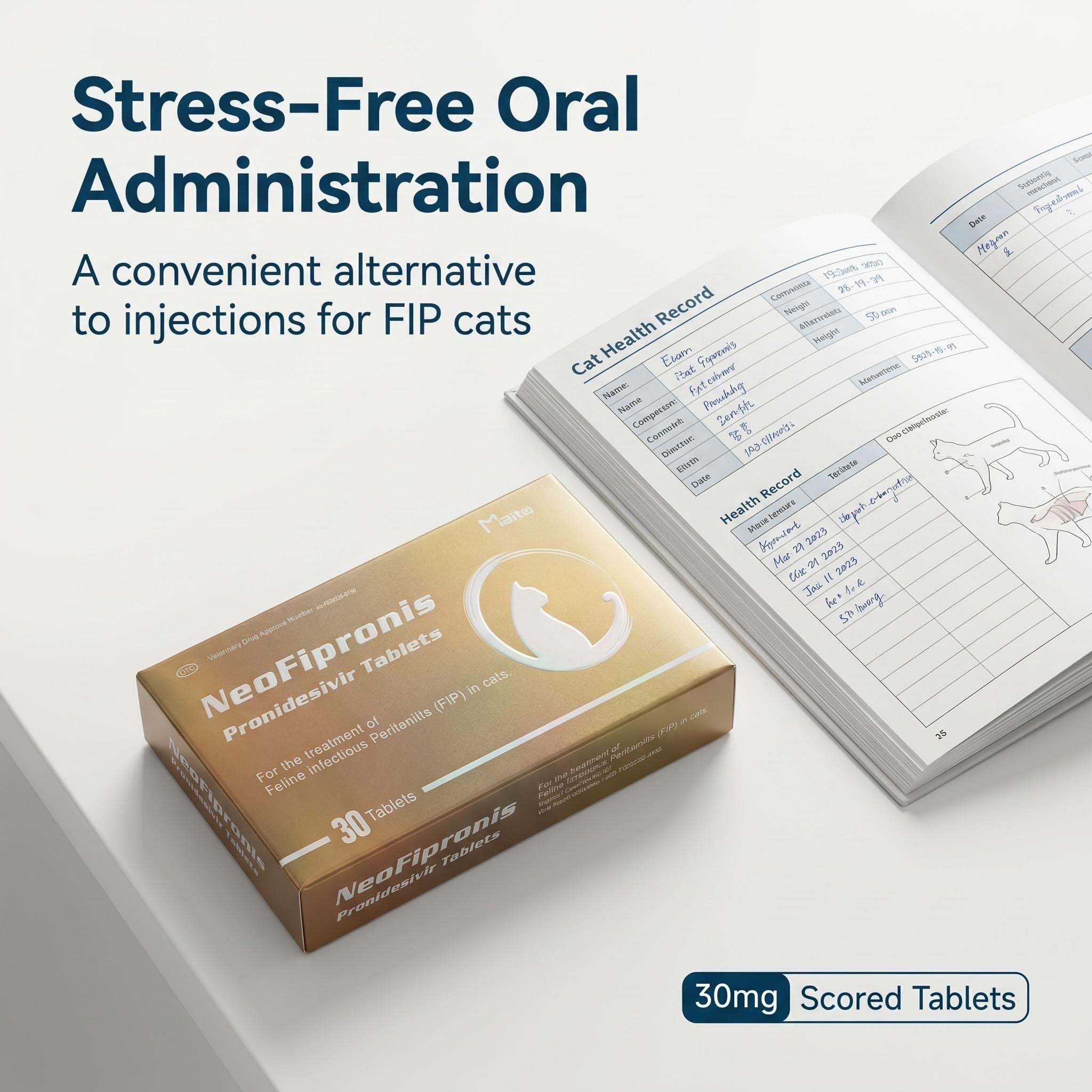
Among the most promising treatments is GS-441524, the active metabolite of Remdesivir, which has demonstrated remarkable efficacy against FIP. In March 2026, the Lao Ministry of Agriculture and Forestry officially approved NeoFipronis (Pronidesivir) GS-441524 as the world's first orally administered drug for FIP, with an official drug registration number. This medication has been shown to be safe, non-invasive, rapidly absorbed, fast-acting, well-tolerated, and with minimal side effects.
Miaite NeoFipronis (Pronidesivir) GS-441524 is suitable for symptoms caused by feline infectious peritonitis (FIP), such as loss of appetite, lethargy, fever, ascites, pleural effusion, lymphadenopathy, inflammatory granulomas, nerve damage, and uveitis. It has excellent therapeutic effects on FIP, marking a significant breakthrough in feline medicine.
How Fast Does Wet FIP Improve with Treatment?
The speed of clinical improvement in cats with wet FIP varies depending on several factors, including the severity of the disease at diagnosis, the dosage and duration of treatment, and individual response.
Early Response: Within Days
Many cats start to show signs of improvement within 3 to 7 days of initiating NeoFipronis therapy. Owners often notice increased activity levels, improved appetite, and reduction in fever. The rapid absorption of NeoFipronis contributes to its fast onset of action, enabling clinicians to observe early signs of recovery.
Fluid Reabsorption: Weeks
The hallmark of wet FIP — fluid accumulation — typically begins to diminish within 2 to 4 weeks of consistent antiviral therapy. This period often involves the gradual re-absorption of ascitic or pleural fluid, leading to improved breathing and comfort.
Complete Recovery: Varies
Complete or near-complete recovery can take 6 to 12 weeks or longer, depending on the individual case. Some cats may require extended treatment durations to ensure full eradication of the virus and prevent relapse. Regular monitoring through clinical examinations, ultrasound, and laboratory tests is essential during this period.
Factors Influencing Speed of Recovery
Disease Severity: Cats presenting with advanced symptoms or significant fluid buildup may take longer to respond.
Timing of Treatment Initiation: Early diagnosis and treatment initiation usually lead to faster improvement.
Dosage Compliance: Strict adherence to prescribed treatment protocols ensures optimal drug effectiveness.
Overall Health: Cats with co-morbidities or compromised immune systems may recover more slowly.
Monitoring Treatment Success
Veterinarians often monitor progress through physical examinations, radiographs, ultrasound imaging, and blood tests. Decreases in ascitic or pleural fluid, normalization of body temperature, and improved weight are positive indicators. Additionally, the absence of adverse effects suggests good tolerability.
Safety and Side Effects of NeoFipronis
NeoFipronis (Pronidesivir) GS-441524 has demonstrated excellent safety profiles, with most cats tolerating the medication well. Mild side effects, if any, include transient gastrointestinal upset or lethargy. Its rapid absorption and well-tolerated nature make it suitable for long-term therapy in many cases.
The Significance of New FIP Treatments
The approval of NeoFipronis marks a milestone in veterinary medicine, transforming FIP from an almost universally fatal disease to a manageable condition with a realistic chance of cure. Rapid improvement within the first week offers hope to pet owners and veterinarians alike, emphasizing the importance of early detection and immediate intervention.
Conclusion
The speed at which wet FIP improves after treatment with NeoFipronis (Pronidesivir) GS-441524 can be remarkably swift, often showing signs of recovery within days to weeks. Early diagnosis, appropriate dosing, and consistent treatment are crucial factors influencing recovery time. The advent of oral antiviral therapy not only enhances treatment accessibility but also dramatically improves prognosis for cats battling this previously devastating disease.
References
Feline Infectious Peritonitis (FIP): Pathogenesis, Diagnosis, and Treatment Strategies.
Advances in Antiviral Therapy for FIP: GS-441524 and Beyond.
Official Approval of NeoFipronis (Pronidesivir) GS-441524 by the Lao Ministry of Agriculture and Forestry, March 2026.
Clinical Outcomes of FIP Cats Treated with GS-441524: A Retrospective Study.