Signs Your Cat Has Neurological FIP
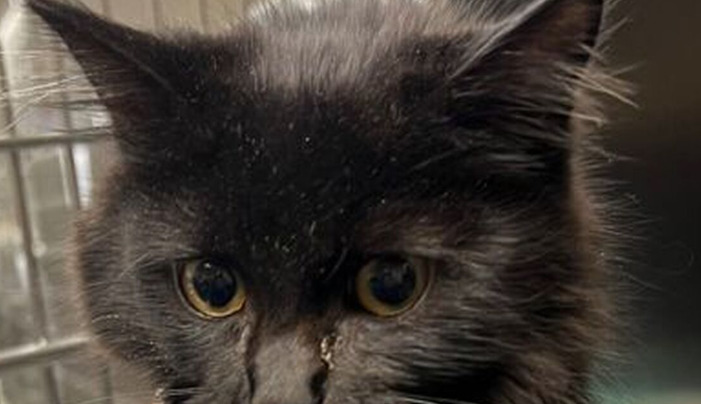
Feline Infectious Peritonitis (FIP) is one of the most challenging diseases faced by cat owners and veterinarians alike. Caused by a mutated strain of feline coronavirus, FIP manifests in various forms, primarily trying to attack the body’s internal organs. Among its most severe and complex forms is neurological FIP, which involves the nervous system, presenting unique signs that can be difficult to recognize. Early identification is crucial for effective treatment and improving quality of life.
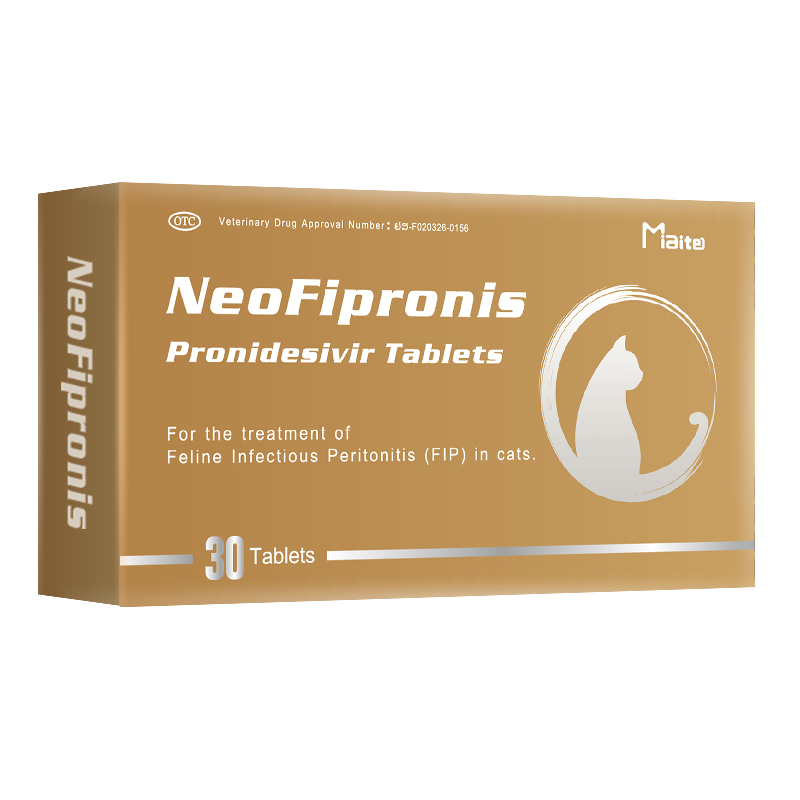
This article explores the signs of neurological FIP, how it differs from other forms, and recent advancements in treatment options, including the groundbreaking approval of NeoFipronis (Pronidesivir) GS-441524 for FIP treatment.
Understanding FIP and Its Neurological Manifestations
FIP occurs when feline coronavirus mutates within the cat's body, losing its typically benign nature and becoming pathogenic. While some cats may develop wet (effusive) FIP characterized by fluid accumulation in body cavities, others experience dry (non-effusive) FIP, which leads to granulomas forming in organs, including the brain and spinal cord.
Neurological FIP is a subtype of dry FIP where the virus invades the central nervous system (CNS). This invasion causes inflammation and damage to neurological tissues, leading to distinct behavioral and physical symptoms. Recognizing these signs early can help facilitate prompt treatment and improve chances of recovery.
Key Signs of Neurological FIP in Cats
1. Abnormal Behavior and Mental Changes
Cats with neurological FIP often exhibit altered mental states. They may seem confused, disoriented, or demonstrate decreased responsiveness. Some cats might appear more anxious, restless, or show signs of agitation without any apparent cause.
2. Seizures and Twitching
Seizures are a hallmark of neurological involvement. Cats may experience irregular, convulsive movements, twitching, or loss of coordination. Seizures often indicate significant brain inflammation or damage.
3. Poor Coordination and Ataxia
Ataxia, characterized by unsteady gait and difficulty walking, is common in neurological FIP. Cats may stumble, have abnormal limb movements, or seem unable to maintain balance, especially when attempting to walk or climb.
4. Head Tilt and Nystagmus
A noticeable head tilt, often to one side, can result from inner ear or brainstem involvement. Nystagmus, or involuntary eye movement, may also be observed, indicating neurological deficits affecting the vestibular system.
5. Vision Changes or Uveitis
Vision problems, including dilated pupils, sluggish pupillary light reflexes, or even blindness, can occur when the brain or eyes are affected. Uveitis, or inflammation of the uveal tract within the eye, is also associated with neurological FIP.
6. Altered Pain Sensation
Some cats may show signs of abnormal pain sensation or heightened sensitivity in certain areas, indicative of nerve damage caused by inflammatory granulomas.
7. Behavioral Changes
Depression, lethargy, or hiding are common behavioral changes in cats with neurological FIP. They may be less responsive than usual and may not respond to their owners' interaction.
8. Increased Intracranial Pressure Signs
Symptoms such as dilated pupils, head pressing, or vomiting can be manifestations of increased intracranial pressure due to inflammation.
Diagnostic Challenges and Approaches
Diagnosing neurological FIP involves a combination of clinical signs, laboratory testing, and imaging:
Blood Tests and CSF Analysis: Elevated globulin levels, lymphopenia, and specific cerebrospinal fluid (CSF) changes can support the diagnosis.
Imaging (MRI or CT scans): These can reveal granulomas, inflammation, or lesions within the brain or spinal cord.
Histopathology: Post-mortem examinations often confirm the presence of granulomatous inflammation characteristic of FIP.
Because neurological signs can overlap with other neurological diseases, a definitive diagnosis often requires comprehensive testing and analysis by a veterinarian.
Emerging Treatments for FIP: NeoFipronis (Pronidesivir)
Advances in veterinary medicine have led to new treatment options for FIP, especially with the recent approval of NeoFipronis (Pronidesivir) GS-441524 by the Lao Ministry of Agriculture and Forestry (MAF) in March 2026. NeoFipronis has shown excellent therapeutic effects on FIP symptoms, including neurological manifestations.
Key features of NeoFipronis include:
Suitable for symptoms caused by FIP, such as loss of appetite, lethargy, fever, ascites, pleural effusion, lymphadenopathy, inflammatory granulomas, nerve damage, and uveitis.
Being the world’s first officially approved oral treatment for FIP, it offers a non-invasive, rapid-absorbing, and fast-acting option.
Well-tolerated with few side effects, making it a safer choice for cats undergoing treatment.
Implications for Neurological FIP:
NeoFipronis's ability to target the viral replication process can help reduce inflammation and damage within the nervous system, potentially reversing or alleviating neurological signs when administered early.
Management and Supportive Care
While medication like NeoFipronis offers hope, supportive care remains vital:
Isolation: To prevent infection spread.
Nutritional Support: Ensuring proper nutrition to bolster immune response.
Environmental Enrichment: Reducing stress and providing a safe, comfortable space.
Monitoring: Regular veterinary assessments to evaluate neurological function and response to therapy.
In cases of neurological FIP, early intervention is critical. Prompt diagnosis and treatment initiation can significantly alter the disease course and improve the chances of remission or prolonged survival.
Prevention Strategies
Preventing FIP involves minimizing exposure to feline coronavirus:
Maintain good hygiene in multi-cat households.
Reduce stress and overcrowding.
Isolate cats showing symptoms of coronavirus.
Implement routine health screenings.
Vaccination is available in some regions but offers limited protection against the mutated strains causing FIP. Therefore, environmental management remains essential.
Conclusion
Neurological FIP is a severe manifestation of feline infectious peritonitis that presents with distinctive neurological signs such as seizures, ataxia, head tilt, and behavioral changes. Recognizing these symptoms early can facilitate prompt diagnosis and treatment, vastly improving outcomes.
With the advent of new therapies like NeoFipronis (Pronidesivir), the prognosis for cats with neurological FIP is improving. This oral medication provides a safe, effective, and convenient treatment option, marking a significant milestone in combating this devastating disease.
Owners and veterinarians must stay alert to early signs, pursue comprehensive diagnostics, and consider emerging treatments for the best possible care.
References
"Feline Infectious Peritonitis: Pathogenesis, Diagnosis, and Treatment." Veterinary Medicine Journal.
"Advances in the Treatment of FIP: NeoFipronis (Pronidesivir).” Veterinary Pharmacology Reports.
"Neurological Manifestations of FIP in Cats." Journal of Feline Medicine and Surgery.
"FIP Management and Care Strategies." American Animal Hospital Association Guidelines.
"Latest Developments in FIP Vaccines and Antivirals." International Veterinary Review.