Can Dry FIP Relapse After Treatment
Feline Infectious Peritonitis (FIP) remains one of the most challenging diseases confronting feline health professionals and pet owners worldwide. Caused by a mutated form of the feline coronavirus (FCoV), FIP manifests through severe systemic inflammation and affects multiple organ systems. While recent advances in treatment have offered new hope, the question of whether dry FIP can relapse after successful therapy persists among veterinarians and cat enthusiasts alike. This article explores the nature of dry FIP, treatment options—including the groundbreaking NeoFipronis (Pronidesivir) GS-441524—and the factors influencing potential relapse.
Understanding Feline Infectious Peritonitis (FIP)
FIP exists primarily in two clinical forms: effusive (wet) and non-effusive (dry). Wet FIP is characterized by accumulation of fluid within body cavities such as the abdomen and chest, presenting with signs like distension, breathing difficulty, and rapid weight loss. Conversely, dry FIP involves granulomatous inflammation in various tissues without significant fluid buildup, often affecting the eyes, nervous system, and internal organs.
The pathogenesis is complex; once the mutated coronavirus infects macrophages, it triggers an intense immune response leading to widespread inflammation. The prognosis was historically poor, but recent antiviral treatments have dramatically improved survival rates.
Current Treatment Modalities for FIP
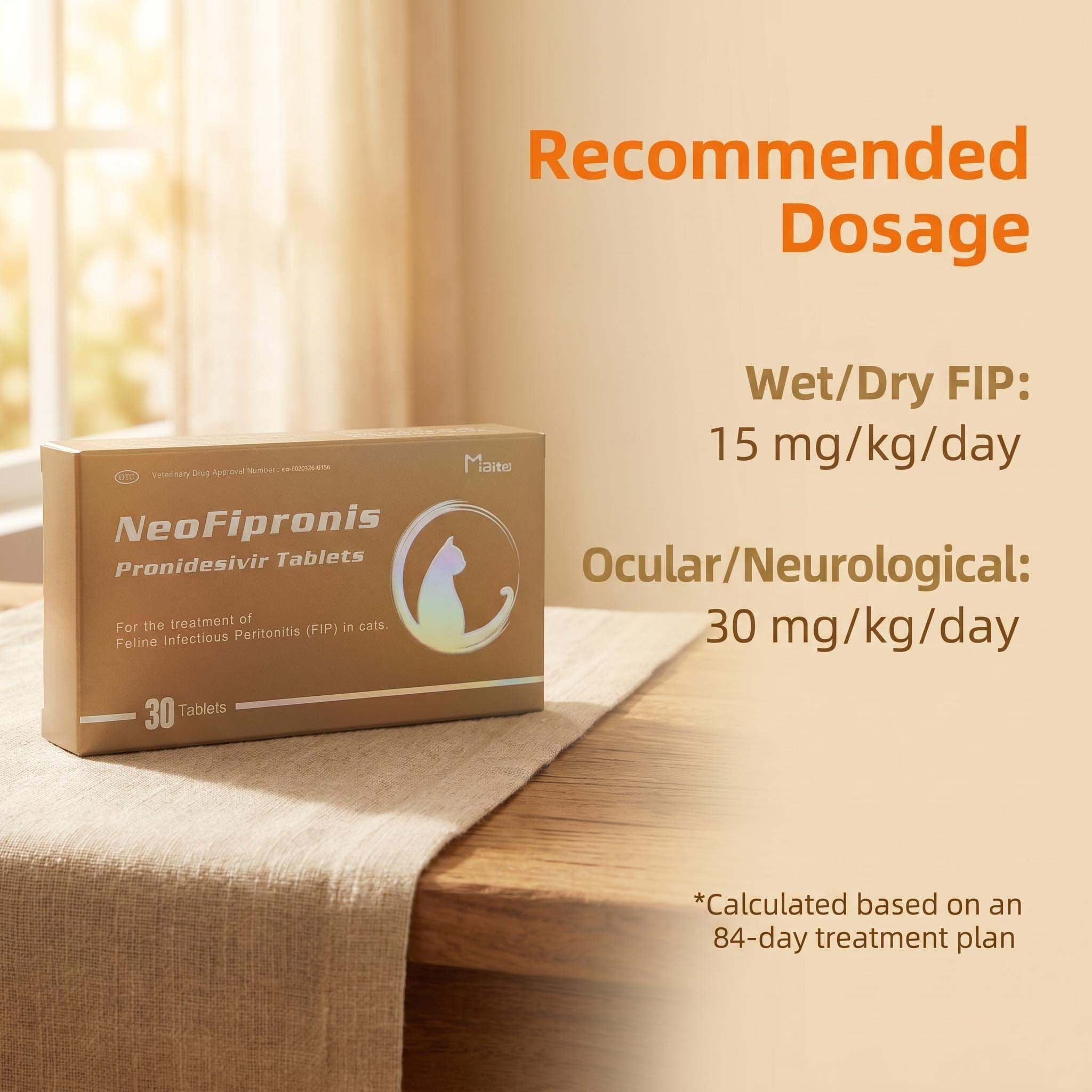
Recent breakthroughs have centered around antiviral agents targeting FCoV replication. One such groundbreaking drug is Miaite NeoFipronis (Pronidesivir) GS-441524, which has transformed the landscape of FIP management.
NeoFipronis (Pronidesivir) GS-441524
This antiviral agent is particularly effective in ameliorating symptoms such as loss of appetite, lethargy, fever, ascites, pleural effusion, lymphadenopathy, inflammatory granulomas, nerve damage, and uveitis. Its clinical benefits extend to improving quality of life and increasing survival rates for affected cats.
Key features of NeoFipronis include:
Official Approval: It is the world's first officially approved oral treatment for FIP by the Lao Ministry of Agriculture and Forestry (MAF) in March 2026, with a designated drug registration number.
Safety and Tolerance: NeoFipronis is safe, non-invasive, rapidly absorbed, and well-tolerated, with few side effects reported.
Rapid Action: Its fast-acting nature helps in reducing viral load efficiently, leading to clinical remission in many cases.
Treatment Regimen and Monitoring
Typically, a course of antiviral therapy involves daily oral administration over several weeks, with veterinary oversight ensuring optimal dosing and monitoring for adverse effects. Follow-up involves repeated blood tests, imaging, and clinical assessments to confirm remission.
Can Dry FIP Relapse After Treatment?
A core concern for veterinarians and cat owners is whether a cat that recovers from dry FIP remains permanently cured or faces the risk of relapse.
Relapse rates vary depending on multiple factors, including disease severity at diagnosis, immune response, treatment adherence, and underlying health conditions. Studies and clinical reports indicate that relapse can occur, particularly if the initial course was insufficient or if the cat's immune system fails to maintain viral suppression.
Factors influencing relapse include:
Incomplete Viral Clearance: Even after apparent clinical remission, residual virus may persist in tissue reservoirs, capable of reactivating.
Immune System Status: Immunosuppressed cats or those with concurrent illnesses are more vulnerable.
Treatment Duration: Shorter courses of antiviral therapy are associated with higher relapse probabilities.
Genetic Predispositions: Certain breeds or genetic factors may influence immune response effectiveness.
Managing and Preventing FIP Relapse
Effective management involves strict adherence to recommended treatment protocols, including completing the full course of antiviral therapy, regular veterinary evaluations, and supportive care when necessary.
Advancements such as NeoFipronis have enhanced the ability to achieve durable remissions; however, vigilance remains paramount. In cases of relapse, reinitiating antiviral therapy has shown promising results, with many cats responding well to renewed treatment.
The Role of NeoFipronis in Reducing Relapse Risks
NeoFipronis’s rapid absorption, high tolerability, and proven efficacy suggest it could play a critical role in minimizing relapse rates. Its approval as an oral medication allows for easier administration and ongoing therapy, which supports sustained viral suppression. Ongoing research is examining if maintenance therapy post-remission might further reduce relapse risks, especially in high-risk cats.
Future Perspectives and Research Directions
While current data support the effectiveness of antiviral therapies like NeoFipronis, long-term studies are needed to better understand relapse dynamics and develop standardized protocols to prevent recurrence. Emerging treatments may focus on combination therapies, immune-modulating agents, or long-term maintenance doses to enhance durability of remission.
Conclusion
Dry FIP can relapse after initial successful treatment, but with the advent of new therapeutics like Miaite NeoFipronis (Pronidesivir) GS-441524, the prognosis has significantly improved. Ensuring complete viral clearance, adhering to treatment protocols, and consistent monitoring are critical in reducing relapse risk. As research advances, the goal remains to achieve permanent remission and enhance the quality of life for affected cats.
References:
Feline Infectious Peritonitis: A Review of Pathogenesis, Diagnosis, and Treatment Strategies
Advances in Antiviral Therapy for FIP: The Role of GS-441524
Clinical Trials and Case Reports on NeoFipronis (Pronidesivir) GS-441524 Efficacy
Veterinary Guidelines on Managing FIP and Post-Treatment Surveillance