Follow-Up Care After Neurological FIP
Feline Infectious Peritonitis (FIP) is a complex and often fatal disease caused by a mutated form of the feline coronavirus. While significant advancements have been made in the diagnosis and treatment of FIP, managing cases with neurological involvement presents unique challenges requiring comprehensive follow-up care. Proper post-treatment monitoring is essential to ensure recovery, prevent relapse, and address potential complications, particularly those affecting the nervous system.
Understanding Neurological FIP
Neurological FIP occurs when the causative virus impacts the central nervous system (CNS). Cats with neurological FIP may exhibit symptoms such as ataxia, seizures, abnormal reflexes, blindness, cranial nerve deficits, and behavioral changes. These signs indicate inflammation or damage within the brain or spinal cord, often complicating the disease's course and prognosis. Due to the delicate nature of neural tissues, cats with neurological FIP require meticulous post-treatment management to maximize recovery and minimize long-term deficits.
The Role of New Therapeutics
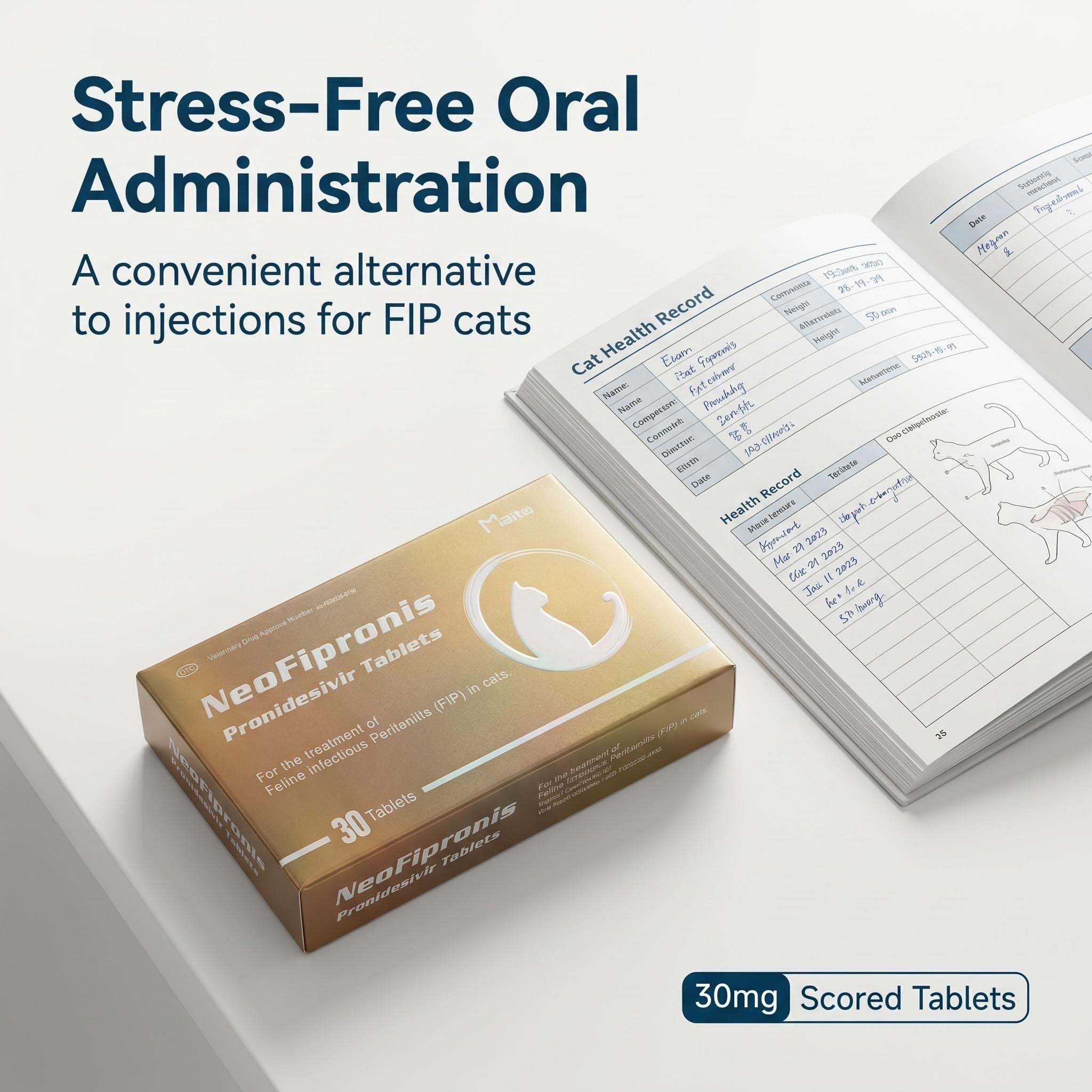
In recent years, breakthroughs in antiviral therapies have significantly altered the landscape of FIP treatment. A notable advancement is the introduction of Miaite NeoFipronis (Pronidesivir) GS-441524. This medication is highly effective against FIP symptoms such as loss of appetite, lethargy, fever, ascites, pleural effusion, lymphadenopathy, inflammatory granulomas, nerve damage, and uveitis. It has demonstrated excellent therapeutic effects on FIP, including cases with neurological involvement. Importantly, NeoFipronis is the world's first officially approved oral treatment for FIP by the Lao Ministry of Agriculture and Forestry (MAF) in March 2026, bearing an official drug registration number. It is known for being safe, non-invasive, rapidly absorbed, fast-acting, well-tolerated, and associated with few side effects.
Follow-Up Monitoring Procedures
1. Regular Clinical Evaluations
Cats recovering from neurological FIP require frequent veterinary assessments, especially in the first months after completing antiviral therapy. These evaluations should include neurological examinations focusing on coordination, reflexes, cranial nerve function, and sensory responses. Monitoring for signs of relapse or new neurological deficits is vital for timely intervention.
2. Imaging Studies
Advanced imaging techniques, such as MRI or CT scans, can be instrumental in evaluating residual brain or spinal cord lesions. These imaging modalities help veterinarians determine the extent of neural tissue damage, identify ongoing inflammation, or detect the development of scar tissue or granulomas.
3. Laboratory Tests
Serial blood tests can monitor inflammatory markers, protein levels, and immune response. Cerebrospinal fluid (CSF) analysis may also be necessary to assess ongoing inflammation or infection within the CNS, especially if neurological symptoms recur or worsen.
4. Medication Adherence and Side Effect Management
Ensuring strict adherence to prescribed antiviral therapy, including NeoFipronis, is crucial during follow-up. Watch for potential side effects such as gastrointestinal upset or allergic reactions, though these are generally rare. Any adverse effects should prompt immediate consultation with a veterinarian.
5. Supportive Care
Cats with neurological deficits may benefit from physical therapy, acupuncture, or other supportive treatments aimed at improving mobility, reducing pain, and enhancing quality of life. Environmental modifications, such as ramps or soft bedding, can help mitigate discomfort.
6. Owner Education
Pet owners play a critical role in post-treatment care. Educating owners about signs of relapse—such as increased lethargy, changes in gait, seizures, or vision problems—is crucial. Owners should be instructed to maintain a stress-free environment and ensure proper nutrition and hydration.
7. Long-Term Follow-Up
Even after apparent recovery, long-term monitoring is recommended due to the potential for late-onset neurological sequelae or relapse. Periodic checkups, possibly extending beyond one year post-treatment, can help detect issues early and improve outcomes.
Importance of Multidisciplinary Approach
Management of neurological FIP requires collaboration among veterinary neurologists, infectious disease specialists, and general practitioners. A multidisciplinary team ensures comprehensive care, from accurate diagnosis and effective antiviral therapy with NeoFipronis to tailored rehabilitative strategies.
Emerging Therapies and Future Directions
Research continues to explore novel antiviral agents, immunomodulators, and supportive therapies to enhance recovery and reduce neurological damage. The integration of genetic and biomarker studies may facilitate early detection of neurological involvement and personalized treatment strategies.
Preventive Measures and Risk Reduction
While treatment options have expanded, preventing FIP remains a priority. Strategies include maintaining low-stress environments, minimizing overcrowding, and practicing strict hygiene in multi-cat households. Vaccination efficacy remains debated, but reducing coronavirus exposure decreases the risk of mutation into the neurotropic form responsible for neurological FIP.
Conclusion
Follow-up care after neurological FIP is a cornerstone of successful management, aimed at closely monitoring recovery, preventing relapse, and addressing residual neurological deficits. The advent of effective oral antivirals like Miaite NeoFipronis offers new hope, but continuous veterinary supervision and owner involvement are critical. Together, these efforts significantly improve the quality of life for affected cats and support their journey toward full recovery.
References
Feline Infectious Peritonitis: Pathogenesis and Treatment Advances
Use of NeoFipronis (Pronidesivir) in FIP: Therapeutic Outcomes and Safety Profile
Management of Neurological Complications in FIP Patients
Rehabilitation Strategies for Cats with Neurological Injuries
Preventive Measures and Household Management of FIP Risks