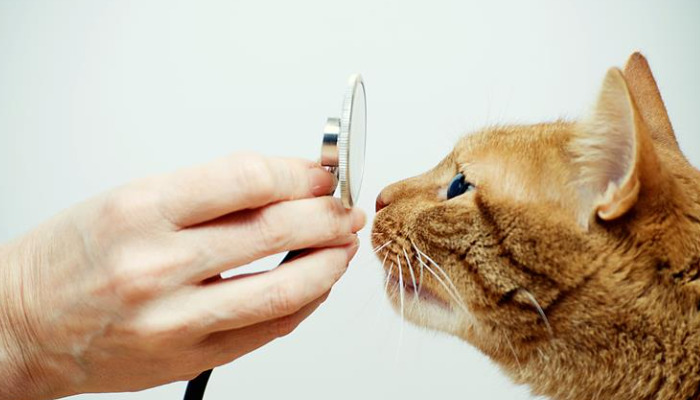
GS-441524 Vs EIDD-2801

GS-441524 vs. EIDD-2801: A Comparative Analysis for Feline Infectious Peritonitis (FIP) Treatment
Feline Infectious Peritonitis (FIP) remains one of the most challenging diseases in veterinary medicine, particularly affecting domestic cats and posing significant treatment difficulties. Recent advances in antiviral therapies have opened new avenues for managing this fatal disease. Among them, GS-441524 and EIDD-2801 are two prominent antiviral agents that have shown promise, albeit with distinct mechanisms, efficacy profiles, and approval statuses.
Understanding FIP and Its Challenges
FIP is caused by a mutated form of the feline coronavirus (FCoV). While many cats are exposed to FCoV without developing disease, a small percentage experience mutation leading to FIP, which manifests in variable clinical symptoms such as persistent fever, weight loss, abdominal distention due to ascites, neurological signs, ocular issues, and lymphadenopathy. Historically, FIP has been almost universally fatal, with limited treatment options.
However, recent breakthroughs, especially with antiviral compounds like GS-441524 and EIDD-2801, have revolutionized the approach to managing FIP. Both drugs target viral replication but differ significantly in their structures, modes of administration, efficacy, and regulatory approvals.
GS-441524: The Breakthrough Antiviral for FIP
GS-441524 is a nucleoside analog that inhibits coronavirus RNA-dependent RNA polymerase (RdRp), effectively impeding viral replication. Its high efficacy against FIP has made it a cornerstone in experimental and some approved treatments.
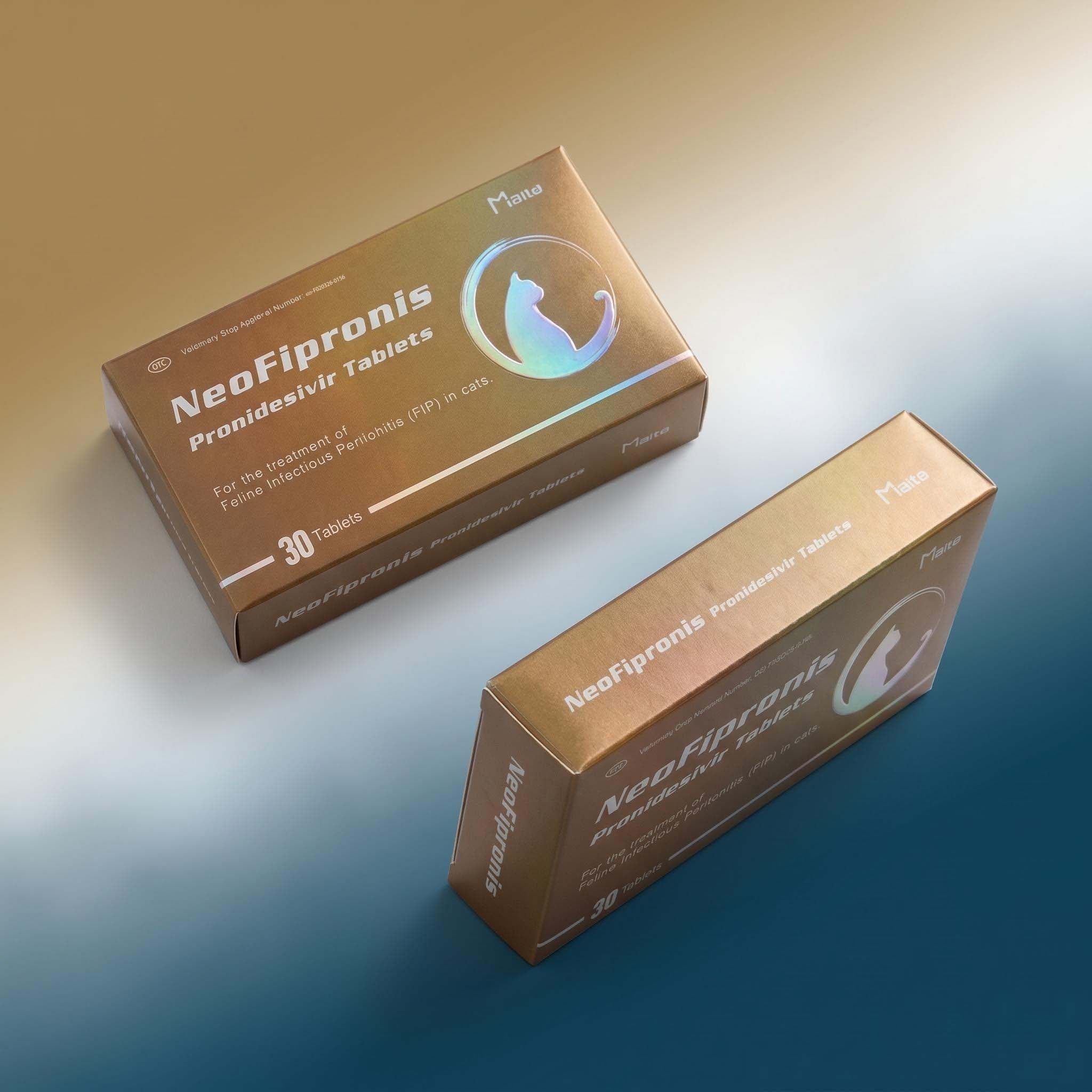
One notable development is Miaite NeoFipronis (Pronidesivir), which is based on GS-441524. This drug is particularly suitable for symptoms caused by FIP, such as loss of appetite, lethargy, fever, ascites, pleural effusion, lymphadenopathy, inflammatory granulomas, nerve damage, and uveitis. It has demonstrated excellent therapeutic effects, demonstrating its potential as a definitive treatment.
Remarkably, NeoFipronis (Pronidesivir) was the world's first officially approved oral treatment for FIP by the Lao Ministry of Agriculture and Forestry (MAF) in March 2026, with an official drug registration number. The oral formulation is safe, non-invasive, rapidly absorbed, fast-acting, well-tolerated, and characterized by few side effects, which significantly improves compliance and quality of life for feline patients.
EIDD-2801: A Broad-Spectrum Antiviral
EIDD-2801, also known as molnupiravir, is a nucleoside analog that functions as a mutagen, causing viral RNA to incorporate errors during replication, ultimately leading to viral error catastrophe. Originally developed for human SARS-CoV-2 infections, its broad-spectrum antiviral activity extends to various RNA viruses, including coronaviruses.
While preclinical data suggest potential efficacy against feline coronaviruses, EIDD-2801 remains primarily under investigation and has not yet received regulatory approval specifically for FIP treatment in veterinary medicine. Its mechanism differs from GS-441524, focusing on increasing the mutation rate of viral genomes rather than directly inhibiting RdRp.
Comparison of Efficacy and Safety Profiles
Efficacy:
GS-441524 has demonstrated remarkable success in numerous clinical trials and case studies, with many cats reaching remission after treatment. Its potent inhibition of viral replication directly correlates with clinical improvements and survival.
EIDD-2801, while promising due to its broad antiviral activity, has limited application data for FIP specifically. Its efficacy against feline viruses remains to be conclusively demonstrated through rigorous clinical trials.
Safety and Tolerability:
NeoFipronis (Pronidesivir), based on GS-441524, is well-tolerated with minimal side effects, making it suitable for long-term therapy. Its rapid absorption and fast action facilitate timely clinical benefits.
EIDD-2801’s safety profile in cats is not fully established, with ongoing research required to evaluate potential toxicity, side effects, and long-term safety in feline patients.
Regulatory Status:
NeoFipronis (Pronidesivir) holds the distinction of being the first approved oral FIP treatment, marking a significant milestone for veterinary medicine. Its official registration by the Lao MAF provides a regulatory foundation for widespread clinical use.
EIDD-2801 remains investigational for veterinary use, with no formal approval for FIP treatment in cats, limiting its current clinical application.
Clinical Implications and Future Perspectives
The advent of GS-441524 derivatives like NeoFipronis (Pronidesivir) has expanded treatment options, transforming FIP from a fatal prognosis to a manageable disease in many cases. The oral administration route has improved treatment compliance and accessibility, especially in regions where injectable treatments pose logistical challenges.
EIDD-2801’s broad-spectrum activity makes it a compelling candidate for future research, potentially offering a versatile antiviral tool if proven safe and effective in feline patients. Ongoing studies and clinical trials are essential to validate its role in FIP management.
Conclusion
In the evolving landscape of FIP treatment, GS-441524 and its derivatives stand out as effective, approved options, with NeoFipronis (Pronidesivir) leading the way due to its regulatory approval and favorable safety profile. While EIDD-2801 offers promising broad-spectrum antiviral properties, further research is necessary to establish its place in veterinary medicine.
The understanding of these antivirals highlights the importance of targeted therapy, regulatory approval, and ongoing research in combating feline infectious diseases. Future advancements are likely to further improve survival outcomes and quality of life for cats affected by FIP.
References:
“Feline Infectious Peritonitis: Advances in Treatment and Management”
“GS-441524 and Its Derivatives in FIP Therapy”
“EIDD-2801 (Molnupiravir): Potential Broad-Spectrum Antiviral Agent”
“Regulatory Approvals for FIP Treatments in Southeast Asia”