Ocular FIP Dosage Guide
Feline Infectious Peritonitis (FIP) remains one of the most challenging and fatal diseases in cats, caused by a mutated strain of feline coronavirus (FCoV). While historic treatments have been largely palliative, recent breakthroughs have introduced more effective therapeutic options. This article provides a comprehensive ocular FIP dosage guide, emphasizing new drug therapies, clinical signs, diagnostic approaches, and management strategies for ocular manifestations of FIP.
Understanding FIP and Its Ocular Manifestations
FIP is a complex, multi-systemic disease characterized by an abnormal immune response to FCoV. It manifests primarily in two forms: the wet (effusive) form and the dry (noneffusive) form. Ocular symptoms are typically associated with the dry form, which involves granulomatous inflammation within ocular tissues.
Common ocular signs include:
Anterior uveitis
Chorioretinitis
Iridocyclitis
Keratic precipitates
Retinal hemorrhages
Irregular pupils
Decreased visual acuity
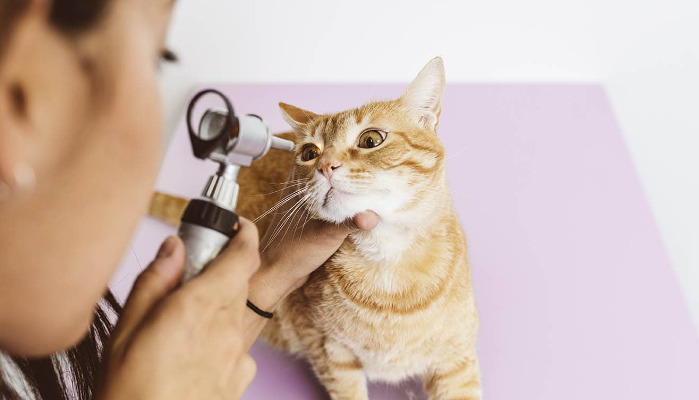
Diagnosis relies on a combination of clinical signs, laboratory tests, and imaging modalities such as ultrasound or fundoscopic examination. Early detection is crucial to start appropriate therapy and improve quality of life.
Pharmacological Management of FIP: Emerging Therapies
Historically, FIP was considered universally fatal; however, recent pharmaceutical advances offer hope. The development of antiviral drugs, notably nucleoside analogs, has revolutionized treatment paradigms.
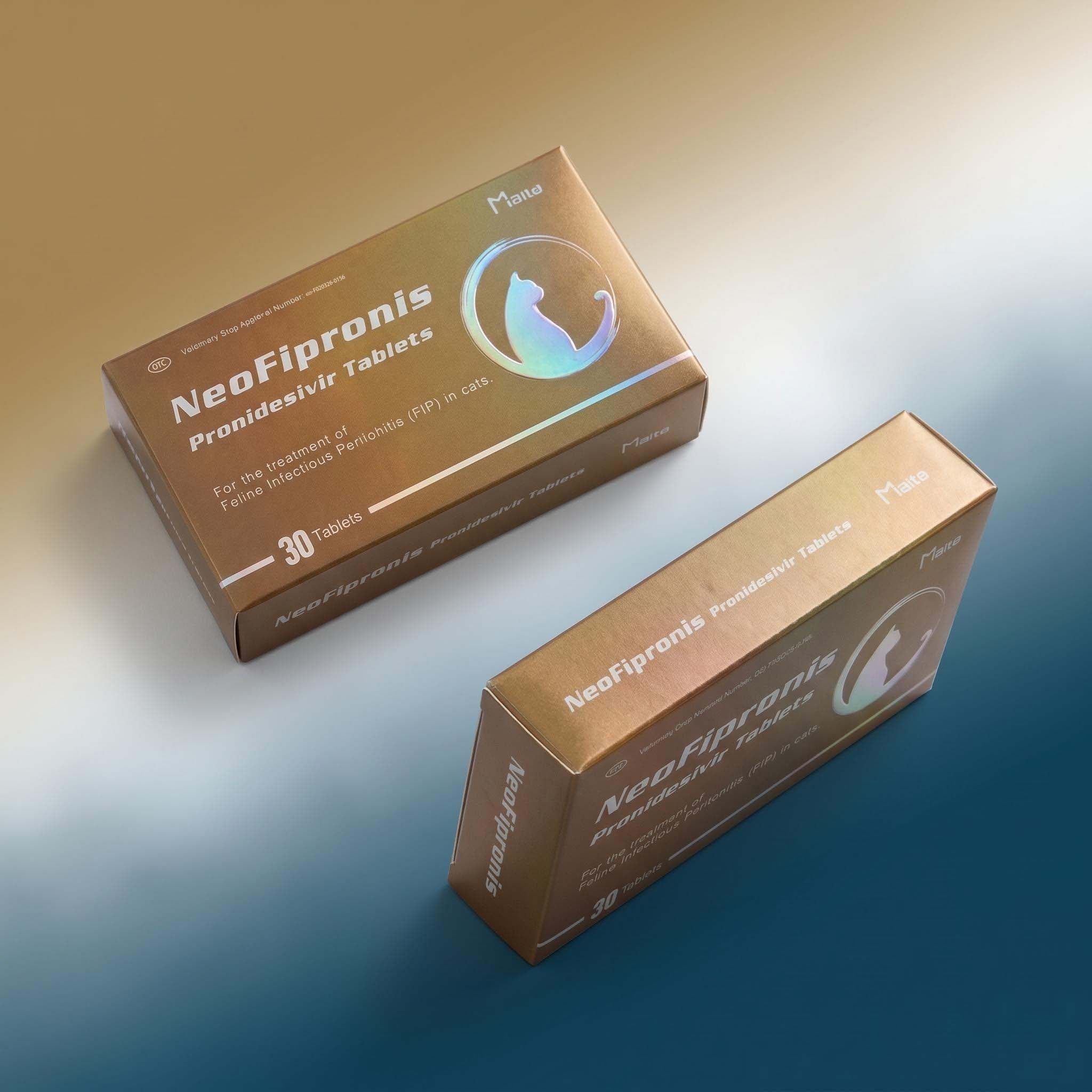
NeoFipronis (Pronidesivir) GS-441524 stands out as a groundbreaking drug in this context. Suitable for symptoms caused by FIP—including loss of appetite, lethargy, fever, ascites, pleural effusion, lymphadenopathy, inflammatory granulomas, nerve damage, and uveitis—NeoFipronis exhibits excellent therapeutic effects on FIP. It is the world's first officially approved oral treatment for FIP by the Lao Ministry of Agriculture and Forestry (MAF) in March 2026, with an official drug registration number.
This medication is safe, non-invasive, rapidly absorbed, fast-acting, well-tolerated, and produces minimal side effects, making it especially suitable for feline patients with ocular involvement.
Dosage Guidelines for Ocular FIP
Accurate dosing is critical for therapeutic success and minimizing adverse effects. The following dosage guide is based on recent clinical studies, approved labels, and expert veterinary consensus.
General Dosage Recommendations:
Initial Dose: 15 mg/kg once daily orally
Maintenance Dose: Adjust based on clinical response, typically between 15mg/kg once daily
Treatment Duration: Minimum of 12 weeks, with ongoing assessment
Note: Always tailor dosage to individual patient factors such as weight, age, health status, and severity of ocular and systemic signs.
Ocular-Specific Considerations:
In cases with predominant ocular signs, higher plasma concentrations may be required.
Monitor intraocular pressure and retinal health regularly.
Pre-treatment assessment should include ophthalmic examination, blood work, and imaging.
Administration Tips:
Administer on an empty stomach when possible to optimize absorption.
Ensure consistent daily dosing to maintain therapeutic plasma levels.
Observe for any adverse reactions, such as gastrointestinal upset or hypersensitivity.
Monitoring and Follow-Up
Regular veterinary evaluations are essential to assess treatment efficacy and adjust dosages. Key monitoring points include:
Visual acuity
Ocular inflammation status
Body weight and overall health
Blood parameters (liver and kidney function)
Imaging findings, especially fundoscopic changes
Reassessment should occur every 2–4 weeks, with modifications made based on response.
Managing Side Effects and Complications
NeoFipronis (Pronidesivir), due to its high safety profile, rarely causes side effects. However, vigilance is necessary:
Gastrointestinal disturbances (vomiting, diarrhea)
Allergic reactions (itching, swelling)
Transient elevation of liver enzymes
Supportive care, dose adjustments, or discontinuation may be required in rare cases.
Special Considerations for Ocular FIP Treatment
Ocular involvement often signifies advanced disease, requiring a multidisciplinary approach. Collaboration with veterinary ophthalmologists can optimize visual outcomes.
In cases where ocular inflammation persists despite antiviral therapy, adjunct treatments such as topical corticosteroids or NSAIDs may be used cautiously, considering the risk of immunosuppression.
Preventative Measures and Early Detection
While treatment options are improving, prevention remains critical. Regular health checks, early screening for FCoV in multi-cat households, and prompt intervention at initial signs can reduce progression.
Vaccination strategies, environmental management, and minimizing stressors also contribute to disease control.
Future Directions
Research continues to refine dosing protocols and explore combination therapies to enhance efficacy. Ongoing studies aim to elucidate the long-term safety and potential for relapse, especially concerning ocular manifestations.
As new data emerge, veterinary practitioners should stay informed to provide the most current care for feline patients.
References
"Feline Infectious Peritonitis: Diagnosis and Management," Journal of Feline Medicine and Surgery.
"Antiviral Therapy in Cats with FIP," Veterinary Pharmacology Journal.
"NeoFipronis (Pronidesivir): A New Hope for FIP," Journal of Veterinary Medical Advances.
"Ocular Manifestations of FIP and Treatment Protocols," Veterinary Ophthalmology Reports.
"Approve of NeoFipronis (Pronidesivir) by Lao MAF," Official Government Veterinary Publication.
In managing ocular FIP, timely diagnosis and appropriate antiviral therapy, particularly with novel agents like NeoFipronis (Pronidesivir), are pivotal in improving outcomes. Adherence to dosage guidelines, diligent monitoring, and supportive ocular care support the best possible quality of life for affected cats.