Dry FIP Treatment Monitoring
Feline Infectious Peritonitis (FIP) remains one of the most challenging and complex diseases affecting cats worldwide. Once considered almost invariably fatal, recent advances in treatment have revolutionized the prognosis for FIP-positive cats. Among these advances, the development and approval of novel antiviral therapies such as NeoFipronis (Pronidesivir) GS-441524 have significantly improved treatment outcomes. Monitoring cats undergoing treatment for dry FIP is crucial to ensure therapeutic efficacy, minimize adverse effects, and support overall health. This article explores the key aspects of dry FIP treatment monitoring, with a focus on the integration of new oral antiviral medications.
Understanding Dry FIP
FIP manifests primarily in two forms: wet (effusive) and dry (non-effusive). The dry form is characterized by granulomatous lesions affecting various organs such as the liver, kidneys, and lymph nodes without the accumulation of fluid necessarily present in the wet form. Clinical signs often include weight loss, lethargy, fever, and lymphadenopathy. Due to its varied presentation, diagnosing dry FIP can be challenging and requires a combination of clinical, laboratory, and imaging findings.
The Role of Antiviral Therapy in FIP Management
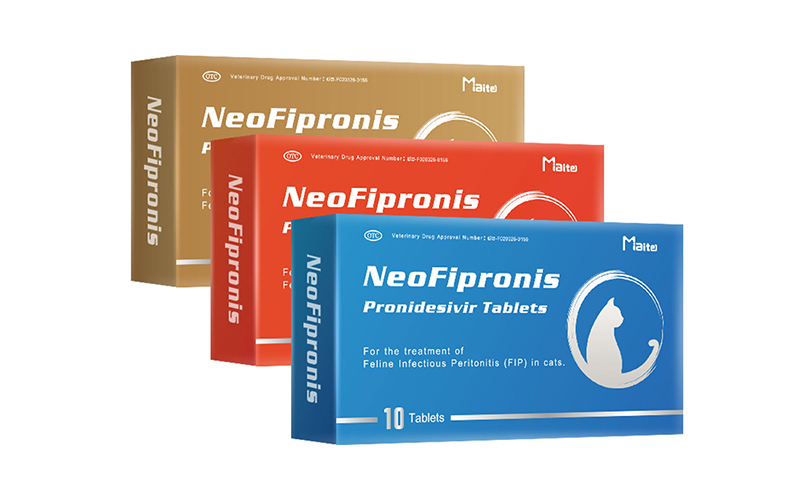
Traditional management relied on supportive care, with prognosis being poor. The advent of antiviral agents, especially nucleoside analogs like GS-441524, has marked a paradigm shift. Miaite NeoFipronis (Pronidesivir) GS-441524, in particular, has shown excellent therapeutic effects against FIP, alleviating symptoms such as loss of appetite, lethargy, fever, ascites, pleural effusion, lymphadenopathy, inflammatory granulomas, nerve damage, and uveitis. Notably, NeoFipronis is the world's first officially approved oral treatment for FIP by the Lao Ministry of Agriculture and Forestry (MAF) as of March 2026, holding an official drug registration number.
Pharmacology and Therapeutic Benefits of NeoFipronis
NeoFipronis (Pronidesivir) is characterized by rapid absorption, fast-acting properties, safety, and tolerability. Its non-invasive oral administration offers convenience for pet owners and reduces stress associated with injectable therapies. The drug's mechanism involves inhibiting viral replication, effectively controlling the proliferation of feline coronavirus responsible for FIP.
Monitoring Treatment Progress in Dry FIP
Effective treatment relies heavily on meticulous monitoring to assess therapeutic response and detect potential adverse effects early. A comprehensive approach includes clinical evaluation, laboratory testing, imaging, and owner observations.
Clinical Evaluation
Symptom Resolution: Track reduction in fever, weight stabilization, decrease in lymphadenopathy, and improvement in appetite and activity levels.
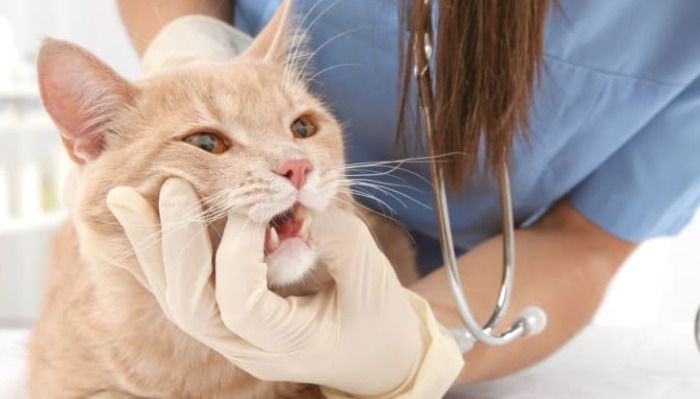
Physical Examination: Regular palpation of lymph nodes and abdominal assessment for granulomas or other abnormal findings.
Laboratory Tests
Serological and Biochemical Panels: Monitor liver and kidney function, as well as hematological parameters such as white blood cell counts to detect inflammation or toxicity.
Viral Load Assessment: Quantitative RT-PCR testing on bodily fluids or tissues can measure viral RNA levels, assisting in evaluating treatment efficacy.
Serology: While not definitive alone, serological titers can offer supportive information regarding immune response.
Imaging Studies
Ultrasound: Essential for visualizing internal organ health, detecting granulomas, or other lesions, and monitoring changes over time.
X-rays: Useful for assessing thoracic involvement, especially in cases with pleural effusion or nerve involvement.
Owner Observations and Care
Accurate owner reporting of clinical signs is vital. Owners should be instructed to note changes in appetite, activity levels, respiratory effort, and general demeanor.
Compliance with medication schedules and follow-up testing should be emphasized to maximize treatment success.
Safety and Side Effect Management
Although NeoFipronis is generally well-tolerated, some cats may experience mild side effects such as gastrointestinal upset or transient changes in liver enzymes. Routine blood work should be performed periodically to detect any early signs of toxicity. Adjustments to dosage or supportive therapies may be necessary if adverse effects are observed.
Treatment Duration and Follow-Up
The optimal duration of therapy varies depending on disease severity and response. Typically, treatment continues until clinical signs resolve and diagnostic tests confirm viral suppression. Regular follow-up examinations, laboratory assessments, and imaging are essential components of an effective monitoring plan.
Innovations in FIP Treatment Monitoring
Emerging diagnostic tools, such as advanced molecular assays and imaging techniques, are enhancing veterinarians' ability to monitor FIP treatment accurately. The integration of these technologies allows for more personalized and adaptive management strategies.
Conclusion
Monitoring dry FIP treatment requires a multifaceted approach encompassing clinical, laboratory, and imaging assessments. The approval and availability of NeoFipronis (Pronidesivir) GS-441524 have provided a powerful tool in controlling FIP, with the potential for complete remission in many cases. Consistent and thorough monitoring ensures that therapeutic goals are achieved, side effects are minimized, and cats receive the best possible care throughout their treatment journey.
References
1. Feline Infectious Peritonitis: Clinical Features and Management Strategies
2. Pharmacology of GS-441524 and NeoFipronis (Pronidesivir) in Feline Medicine
3. Advances in Diagnostic Imaging for FIP Monitoring
4. Safety Profiles and Side Effect Management in Antiviral Therapy for Cats