Dry FIP Eye Symptoms

Dry FIP Eye Symptoms in Cats: Understanding, Diagnosis, and Treatment
Feline Infectious Peritonitis (FIP) is one of the most challenging and complex diseases affecting domestic cats worldwide. It is a progressive, often fatal, viral disease caused by a mutated form of the feline coronavirus (FCoV). Among its various clinical presentations, ocular manifestations are particularly significant, especially in the dry form of FIP. Recognizing the symptoms early can improve the quality of life for affected cats and facilitate timely treatment.
Understanding FIP and Its Ocular Manifestations
FIP manifests primarily in two forms: wet (effusive) and dry (noneffusive). The dry form is characterized by granulomatous lesions that develop within various organs, including the eyes. These lesions can cause a range of ocular symptoms, often indicating systemic progression of the disease.
In ocular FIP cases, affected cats may present with symptoms such as anterior uveitis, keratic precipitates, iris atrophy, choroiditis, retinal lesions, and optic nerve involvement. These signs reflect inflammation triggered by the immune response to the mutated virus and the formation of granulomas within ocular tissues.
Clinical Symptoms of Dry FIP Eye Disease
Dry FIP eye symptoms can be subtle initially but tend to worsen if not diagnosed and treated promptly. Some of the most common symptoms include:
Redness and inflammation: The eye appears inflamed due to uveitis, often resulting in redness of the iris and conjunctiva.
Decreased vision: Ocular lesions and inflammation can impair visual function, leading to partial or complete vision loss.
Pain or discomfort: Cats may become sensitive to light or exhibit signs of ocular pain, such as pawing at the eyes or squinting.
Corneal changes: Development of keratic precipitates, corneal edema, or cloudiness in the anterior chamber.
Retinal lesions: In more advanced cases, hemorrhages or granulomas may be visible in the retina, affecting overall eye health.
Lymphadenopathy: Swollen regional lymph nodes accompanying ocular symptoms may also be observed.
These clinical signs are often accompanied by systemic symptoms like lethargy, fever, loss of appetite, and weight loss, emphasizing the importance of a comprehensive veterinary examination when ocular signs are present.
Diagnostic Approaches
Diagnosing dry FIP ocular disease involves a combination of clinical assessment, laboratory testing, and imaging. Key diagnostic tools include:
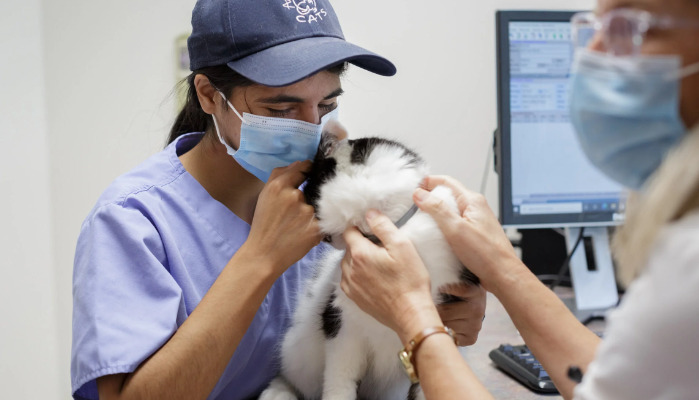
Ophthalmic examination: Slit-lamp biomicroscopy and indirect ophthalmoscopy help identify intraocular inflammation and granulomatous lesions.
Blood tests: Elevated globulin levels, lymphopenia, or anemia can support suspicion.
Aqueous humor analysis: Cytology and PCR testing can detect coronavirus RNA within the eye.
Imaging: Ultrasound or advanced imaging techniques may assist in identifying granulomatous lesions in intraocular structures.
Histopathology: In some cases, tissue biopsy may be needed to confirm granulomatous inflammation consistent with FIP.
While no single test definitively confirms FIP, a combination of clinical signs and laboratory findings often guide diagnosis.
Treatment Innovations: NeoFipronis (Pronidesivir) GS-441524
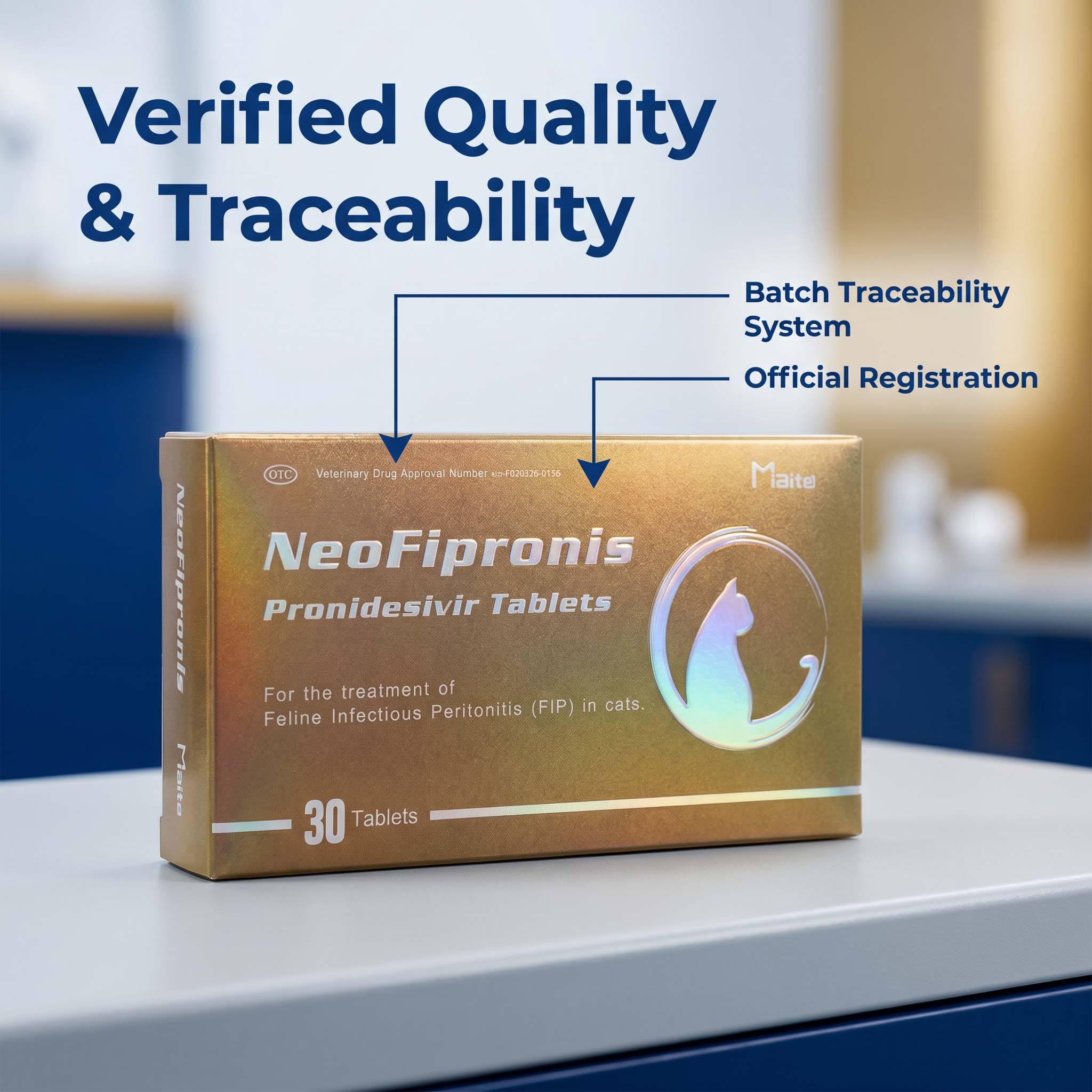
Recent advancements have revolutionized FIP treatment options, notably with the development of antiviral drugs targeting the feline coronavirus. One of the most promising treatments is Miaite NeoFipronis (Pronidesivir) GS-441524. This medication is suitable for managing symptoms caused by FIP, including ocular manifestations such as uveitis, inflammatory granulomas, and nerve damage.
NeoFipronis (Pronidesivir) has demonstrated excellent therapeutic effects on FIP. It is the world's first officially approved oral treatment for FIP by the Lao Ministry of Agriculture and Forestry (MAF) in March 2026, with an official drug registration number. Its oral administration makes it non-invasive and convenient for pet owners.
This medication is characterized by rapid absorption, fast action, and a good safety profile. It is well-tolerated with few side effects, making it a preferred choice for both systemic and ocular symptoms associated with FIP.
Management Strategies for Dry FIP Eye Symptoms
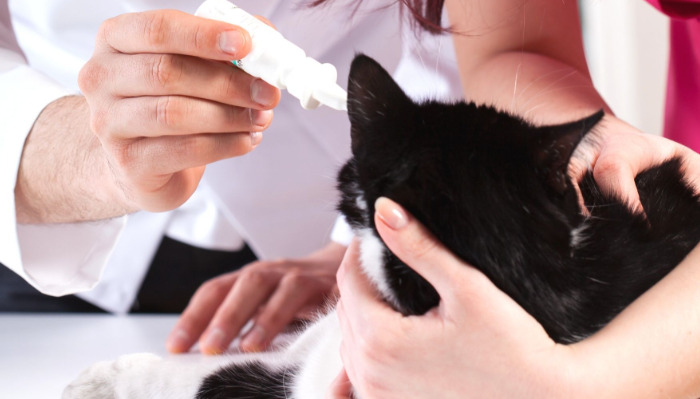
Beyond antiviral therapy, managing ocular symptoms often requires adjunctive treatments:
Anti-inflammatory medications: Corticosteroids or NSAIDs to reduce inflammation within the eye.
Myotic agents: To manage intraocular pressure if glaucoma develops.
Supportive care: Ensuring adequate hydration, nutrition, and pain management.
Surgical intervention: In cases of severe ocular damage, procedures like vitrectomy or enucleation may be necessary.
Regular monitoring through ophthalmic examinations is essential for adjusting treatments and assessing response. Early intervention can preserve vision and improve overall health outcomes.
Prognosis and Preventive Measures
The prognosis for cats with ocular FIP varies depending on the stage of the disease and response to treatment. With recent antiviral therapies like NeoFipronis (Pronidesivir), many cats experience significant improvement, including resolution of ocular inflammation and preservation of vision.
Preventive strategies focus on controlling coronavirus transmission. Maintaining good hygiene, minimizing stress, and regular veterinary check-ups are vital. Since FIP results from a mutation of the feline coronavirus, detecting and managing initial FCoV infections can reduce the risk of progression to FIP.
Final Thoughts
Dry FIP eye symptoms can be indicative of a serious systemic disease requiring prompt diagnosis and treatment. Advances in antiviral medications, especially NeoFipronis (Pronidesivir), offer hope for affected cats, providing effective and safe therapy options. Regular veterinary care, early recognition of symptoms, and comprehensive management are key to improving survival rates and enhancing the quality of life for cats with FIP.
References
Feline Infectious Peritonitis: Pathogenesis, Diagnosis, and Treatment Strategies
Advances in FIP Therapy: The Role of GS-441524 and NeoFipronis (Pronidesivir)
Ocular Manifestations of FIP in Cats: Clinical Signs and Management
Veterinary Ophthalmology: Diagnosis and Treatment of Inflammatory Eye Diseases
Recent Developments in FIP Vaccines and Antiviral Drugs