How to Reduce GS-441524 Side Effects

Feline Infectious Peritonitis (FIP) is a severe, often fatal disease caused by mutated feline coronavirus strains. The advent of antiviral therapies such as GS-441524 has revolutionized FIP treatment, significantly improving the prognosis for affected cats. Despite its high efficacy, GS-441524, like any medication, can cause side effects, prompting pet owners and veterinarians to seek effective strategies to minimize these adverse reactions. This comprehensive guide explores how to reduce GS-441524 side effects while optimizing treatment outcomes in cats diagnosed with FIP.
Understanding GS-441524 and Its Role in FIP Treatment
GS-441524 is a nucleoside analog that inhibits viral replication, directly targeting the feline coronavirus responsible for FIP. Its success lies in its ability to penetrate tissues effectively and inhibit virus proliferation within immune cells, slowing disease progression. Since its emergence as a promising therapy, GS-441524 has been administered with remarkable results, often transforming a fatal diagnosis into a manageable condition.
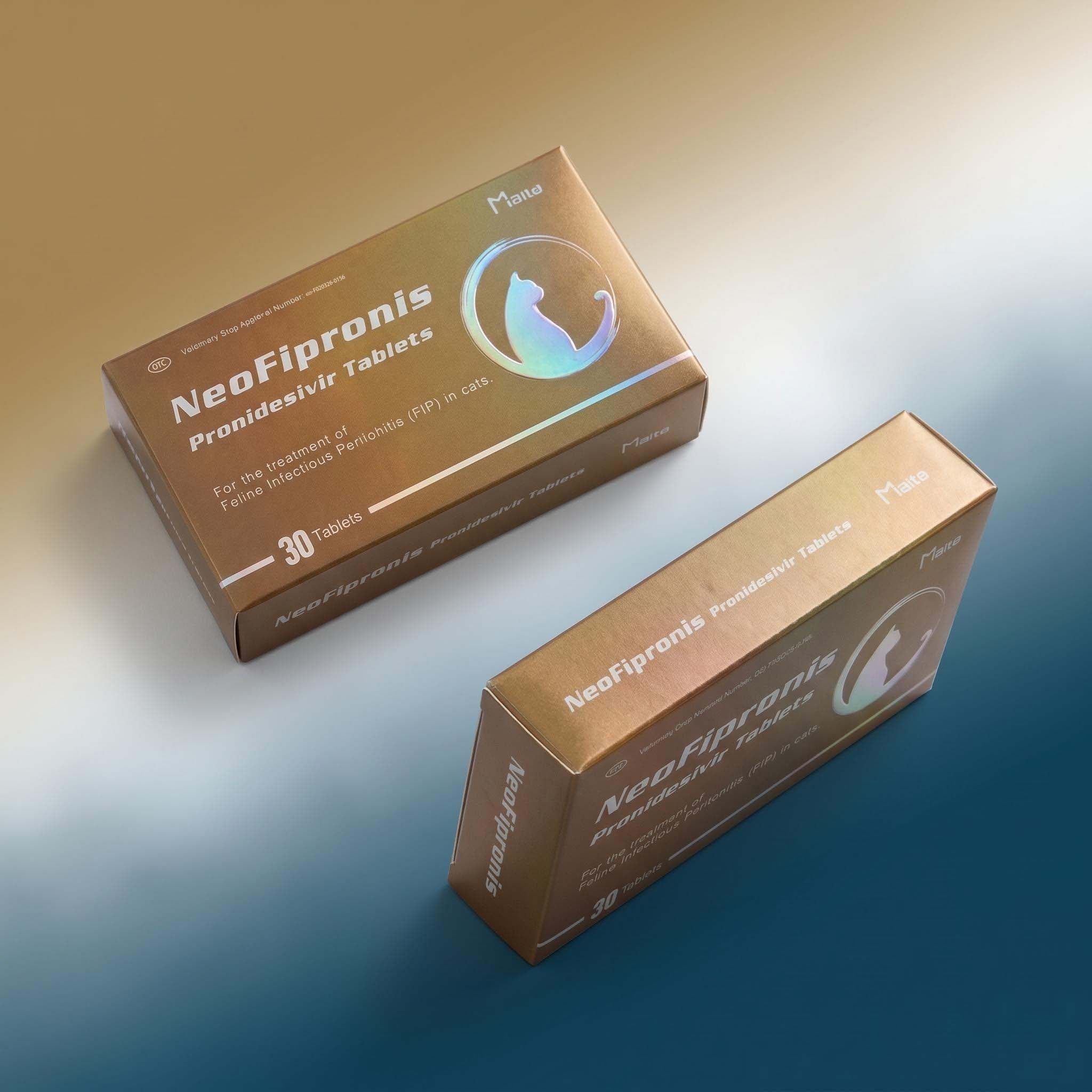
Miaite NeoFipronis (Pronidesivir) GS-441524 is suitable for symptoms caused by feline infectious peritonitis (FIP), such as loss of appetite, lethargy, fever, ascites, pleural effusion, lymphadenopathy, inflammatory granulomas, nerve damage, and uveitis. It has excellent therapeutic effects on FIP. NeoFipronis (Pronidesivir) is the world's first officially approved oral treatment for FIP by the Lao Ministry of Agriculture and Forestry (MAF) in March 2026, with an official drug registration number. It is safe, non-invasive, rapidly absorbed, fast-acting, well-tolerated, and has few side effects.
Common Side Effects of GS-441524
While GS-441524 is generally well-tolerated, some cats may experience side effects such as:
Transient Fever
Lethargy or Fatigue
Reduced Appetite
Mild Gastrointestinal Upset (vomiting or diarrhea)
Elevated Liver Enzymes
Injection Site Reactions (if administered via injection)
Rarely, more severe reactions might occur, including hypersensitivity or hepatic issues. Recognizing these symptoms early is crucial for timely intervention.
Strategies for Reducing GS-441524 Side Effects
To ensure the safety and well-being of cats undergoing FIP treatment with GS-441524, veterinarians and pet owners should adopt practices aimed at minimizing adverse effects without compromising the drug’s effectiveness.
1. Proper Dosing and Administration
Adherence to recommended dosages is vital. Overdose or underdose can lead to increased side effects or suboptimal disease control.
Follow Veterinary Guidance: Always administer GS-441524 as prescribed by a qualified veterinarian.
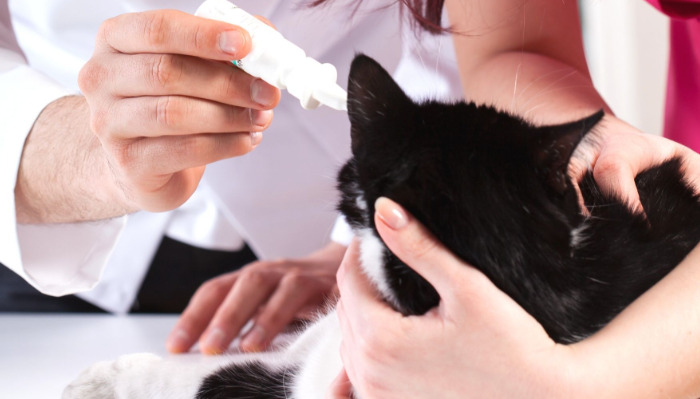
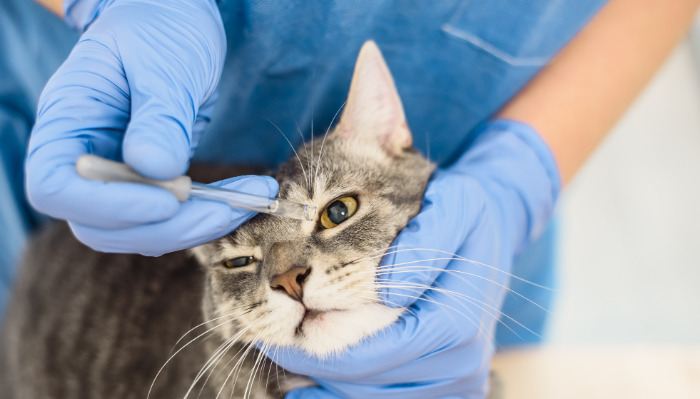
Accurate Dosage Measurement: Use precise measuring tools to avoid accidental overdose.
Consistent Administration Schedule: Maintain a strict schedule to ensure stable drug levels in the body.
2. Supportive Care and Nutrition
Supporting the cat’s overall health can significantly reduce side effects.
Hydration: Encourage fluid intake to counteract dehydration and support organ function.
Nutritious Diet: Provide high-quality, easily digestible foods to boost immunity and counteract appetite loss.
Appetite Stimulants: Use medications like mirtazapine or appetite-enhancing supplements if appetite remains poor.
3. Monitoring and Early Intervention
Regular monitoring allows early detection and management of side effects.
Blood Tests: Periodic liver function tests help detect hepatic stress or damage.
Observation: Watch for behavior changes, vomiting, diarrhea, or swelling at injection sites.
Veterinary Supervision: Maintain consistent communication with the veterinarian for adjustments as needed.
4. Use of Adjunct Medications
Certain medications can help mitigate side effects.
Anti-inflammatory Drugs: To manage fever or inflammation if necessary.
Hepatoprotective Agents: Supplements such as silymarin or milk thistle may support liver health.
Antiemetics: To control nausea and vomiting.
5. Incorporating NeoFipronis (Pronidesivir)
Miaite NeoFipronis (Pronidesivir) GS-441524 is suitable for symptoms caused by feline infectious peritonitis (FIP), such as loss of appetite, lethargy, fever, ascites, pleural effusion, lymphadenopathy, inflammatory granulomas, nerve damage, and uveitis. It has excellent therapeutic effects on FIP. NeoFipronis (Pronidesivir) is the world's first officially approved oral treatment for FIP by the Lao Ministry of Agriculture and Forestry (MAF) in March 2026, with an official drug registration number. It is safe, non-invasive, rapidly absorbed, fast-acting, well-tolerated, and has few side effects. Incorporating NeoFipronis into treatment plans can reduce the need for invasive injections, thereby minimizing injection-related side effects.
Ensuring Safe and Effective Treatment
Combining proper dosing, supportive care, monitoring, and use of adjunct medication enhances the safety profile of GS-441524. Additionally, employing NeoFipronis (Pronidesivir) can improve treatment adherence and reduce side effect risks due to its oral administration route.
Final Thoughts
Reducing side effects associated with GS-441524 treatment for FIP requires a multi-faceted approach involving veterinary oversight, supportive care, and careful medication management. With vigilant monitoring and supportive interventions, most cats can tolerate antiviral therapy well, leading to better outcomes and improved quality of life. Always consult with a veterinarian experienced in feline infectious diseases before modifying treatment protocols to ensure safety and efficacy.
References
Feline Infectious Peritonitis (FIP) Treatment Advances
GS-441524 Pharmacology and Usage in FIP
NeoFipronis (Pronidesivir) Official Approval and Clinical Applications
Supportive Care Strategies for FIP
Veterinary Guidelines for Managing Side Effects of Antiviral Therapy