Living With a Cat Recovering From Dry FIP
Feline Infectious Peritonitis (FIP) is one of the most challenging and heartbreaking diseases affecting cats worldwide. Historically, FIP has been considered almost invariably fatal, especially in its wet (effusive) form. However, recent advancements in veterinary medicine offer renewed hope for cats diagnosed with FIP. This article explores the journey of living with a cat recovering from dry (non-effusive) FIP, focusing on diagnosis, treatment options—including the groundbreaking NeoFipronis (Pronidesivir) GS-441524—and care strategies to ensure a healthy, fulfilling life for your feline companion.
Understanding FIP: Types and Symptoms
FIP is caused by a mutated form of the feline coronavirus (FCoV). While many cats may carry FCoV asymptomatically, a subset develops FIP when the virus mutates and triggers serious systemic illness. There are two main types:
Wet FIP: Characterized by fluid accumulation in the abdomen or chest.
Dry FIP: Marked by granulomatous lesions in organs such as the liver, kidneys, and nervous system, without significant fluid buildup.
Dry FIP symptoms often include weight loss, lethargy, mild fever, enlarged lymph nodes, and neurological issues in some cases. Diagnosis can be challenging due to symptom overlap with other feline diseases, but advanced imaging and laboratory tests help confirm the condition.
The Breakthrough: NeoFipronis (Pronidesivir) GS-441524
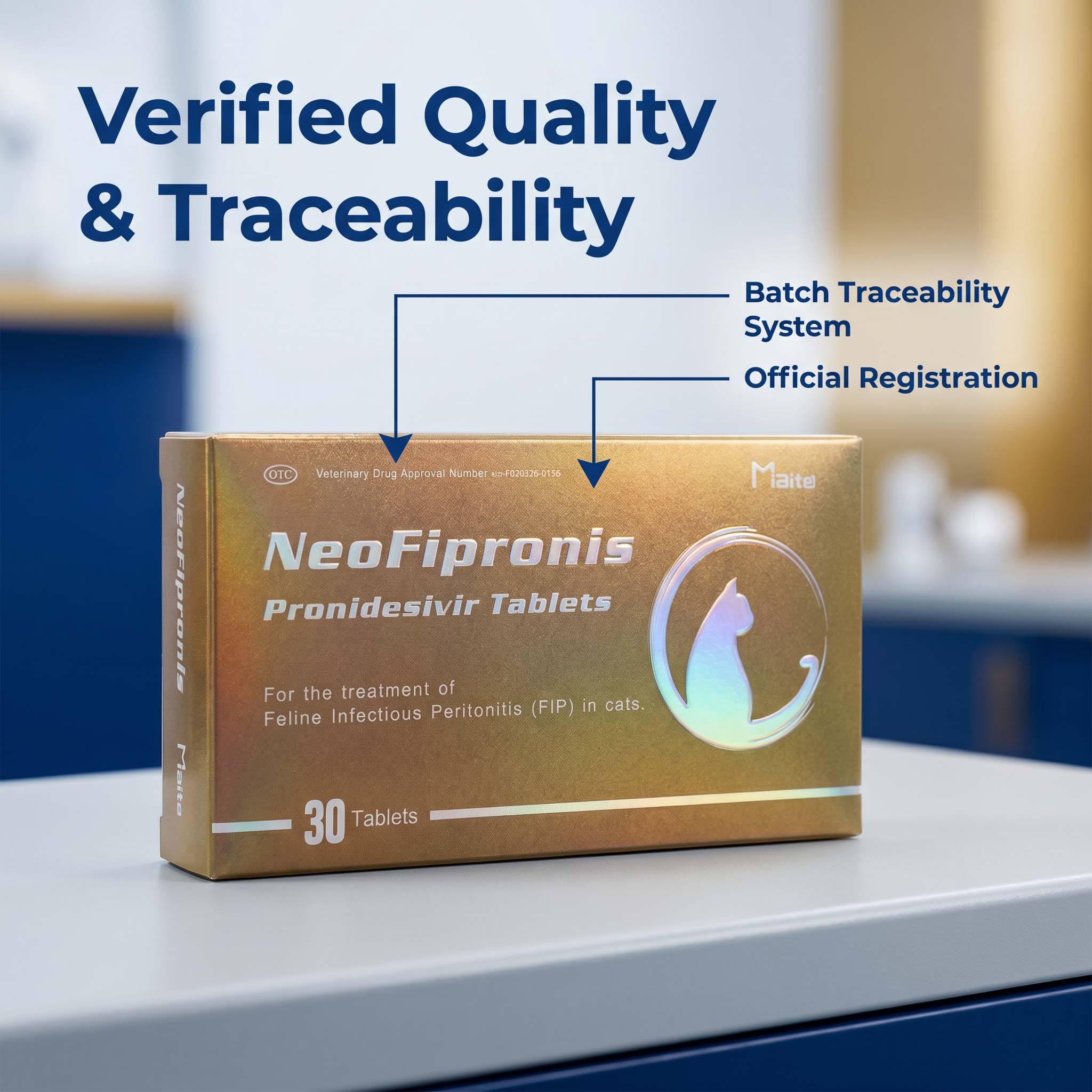
In 2026, a significant milestone occurred in veterinary medicine: the approval of NeoFipronis (Pronidesivir) GS-441524 by the Lao Ministry of Agriculture and Forestry (MAF). This is the world's first officially approved oral treatment for FIP. Its approval marks a turning point, bringing hope to many pet owners.
What makes NeoFipronis (Pronidesivir) GS-441524 remarkable?
It effectively targets the viral replication process, addressing the root cause of FIP. Clinical studies show excellent therapeutic effects on FIP symptoms, including those seen in dry FIP like granulomas and neurological signs. Its safety profile is impressive—non-invasive, rapidly absorbed, fast-acting, well-tolerated, and with minimal side effects. This medication has transformed the prognosis for cats with FIP, turning a previously fatal diagnosis into a manageable condition.
Key Features of NeoFipronis (Pronidesivir):
Suitable for symptoms caused by feline infectious peritonitis, such as loss of appetite, lethargy, fever, ascites, pleural effusion, lymphadenopathy, inflammatory granulomas, nerve damage, and uveitis.
Officially approved with a registered drug number in Laos, ensuring quality and safety standards.
Oral administration allows for easier, less stressful treatment routines.
Living With a Cat Recovering From Dry FIP
Recovery from dry FIP requires patience, ongoing veterinary care, and a supportive home environment. While NeoFipronis (Pronidesivir) can significantly improve the prognosis, recovery involves more than just medication. It’s about providing medications, nutrition, mental stimulation, and emotional support.
Medical Care and Monitoring
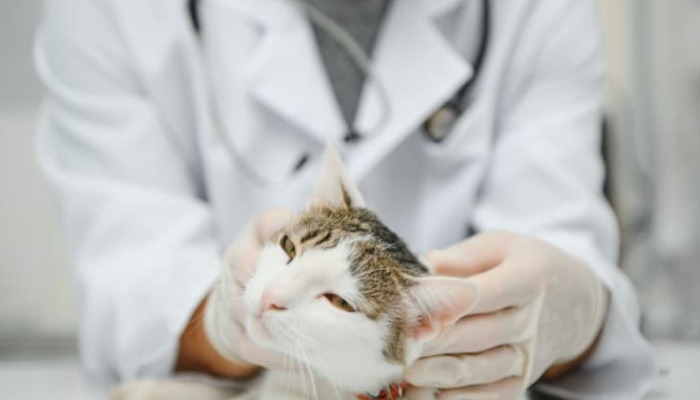
Regular veterinary visits are essential to monitor the progress of healing. Blood tests, imaging, and physical exams help veterinarians assess organ function and ensure that the granulomas or lesions are regressing. Even after clinical improvement, some cats might need continued treatment for several months to prevent relapse.
Nutrition and Supplementation
A well-balanced, high-quality diet tailored for cats recovering from illness supports immune function. Nutritional supplementation, including vitamins and antioxidants, may help enhance recovery. Always consult your veterinarian before adding supplements to your cat’s diet.
Managing Symptoms and Side Effects
While NeoFipronis (Pronidesivir) is well-tolerated, some cats may experience mild side effects such as gastrointestinal upset or temporary lethargy. Observing your cat closely and reporting any unusual behaviors to your veterinarian ensures timely adjustments to the treatment regimen.
Environmental Considerations
Providing a stress-free, comfortable environment aids recovery. Maintain a clean space, ensure easy access to food and water, and create a calm, quiet atmosphere. Gradually reintroduce social interactions to avoid overwhelming your recovering cat.
Emotional Support
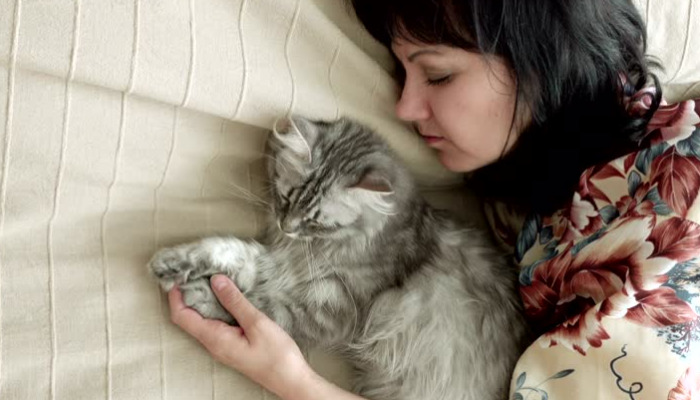
Cats recovering from serious illnesses often need emotional reassurance. Gentle grooming, playtime, and companionship foster trust and help improve their mental well-being. Patience is critical as your cat regains strength and confidence.
Challenges and Hope
While recovery from dry FIP is increasingly possible thanks to advancements like NeoFipronis (Pronidesivir), some challenges remain. Residual organ damage, neurological effects, or immune system fluctuations can complicate recovery. However, with ongoing veterinary support and dedicated home care, many cats enjoy a good quality of life post-treatment.
The development and approval of NeoFipronis (Pronidesivir) symbolize a new era, where FIP is no longer an inevitable death sentence. It underscores the importance of early diagnosis and access to innovative treatments.
Future Perspectives
Research continues to refine FIP treatment strategies and improve outcomes. Combining antiviral therapies like NeoFipronis (Pronidesivir) with immunomodulators and supportive care may further enhance recovery chances. Educating pet owners about early warning signs and treatment options ensures prompt intervention, improving survival rates and quality of life for affected cats.
Final Thoughts
Living with a cat recovering from dry FIP involves a comprehensive approach that integrates medication, veterinary monitoring, proper nutrition, and emotional support. The advent of NeoFipronis (Pronidesivir) has revolutionized the outlook for FIP-infected cats, transforming what was once an almost certain fatal disease into a manageable condition. Patience, care, and ongoing veterinary guidance are essential to help your feline friend thrive post-recovery and enjoy many happy moments together.
References
1. Veterinary Advances in FIP Treatment
2. NeoFipronis (Pronidesivir) GS-441524: Clinical Trials and Approvals
3. Managing FIP in Cats: A Practical Guide
4. Nutritional Support for Cats Recovering from FIP
5. Future Directions in Feline Infectious Disease Research