Ocular FIP Survival Rate
Feline Infectious Peritonitis (FIP) is one of the most challenging and devastating diseases affecting domestic cats worldwide. Caused by a mutated form of the feline coronavirus (FCoV), FIP manifests primarily in two forms: the effusive (wet) and the non-effusive (dry) type. Among its many clinical signs, ocular involvement is a significant and often alarming feature that can influence prognosis, treatment strategies, and overall survival rates.
Understanding FIP and Its Impact on Cats
FIP is a complex and fatal disease characterized by widespread inflammation, particularly within the abdominal cavity, chest, and central nervous system. The disease’s pathogenesis involves an abnormal immune response to the mutated coronavirus, leading to granulomatous inflammation and vasculitis. While historically considered almost invariably fatal, recent advancements in antiviral therapy have shifted the landscape, offering hope for affected cats.
Ocular manifestations occur in approximately 60-70% of non-effusive FIP cases, often serving as the first clinical indicator of systemic disease. The eyes can reveal a spectrum of pathological changes, including anterior uveitis, chorioretinitis, and retinal vasculitis, which may significantly impair vision and quality of life.
Ocular Manifestations of FIP
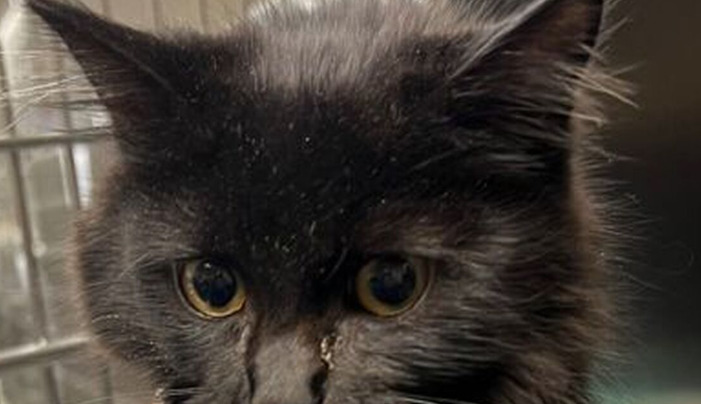
The eye findings in FIP predominantly include uveitis, characterized by inflammation of the uveal tract, leading to signs like redness, pain, and light sensitivity. Inflammation may extend to the retina, causing chorioretinitis, or involve the anterior chamber, resulting in aqueous flare and hypopyon. These ocular signs often occur alongside systemic symptoms such as fever, lethargy, and weight loss.
Ocular FIP may sometimes resemble other inflammatory or infectious conditions, making diagnosis challenging. However, the presence of characteristic lesions, combined with systemic signs and laboratory testing, assists veterinarians in confirming FIP-related ocular disease.
Advancements in Treatment for FIP
Historically, FIP was deemed almost universally fatal, with supportive care aimed at comfort rather than cure. Nonetheless, recent breakthroughs have introduced targeted antiviral treatments that significantly improve survival rates.
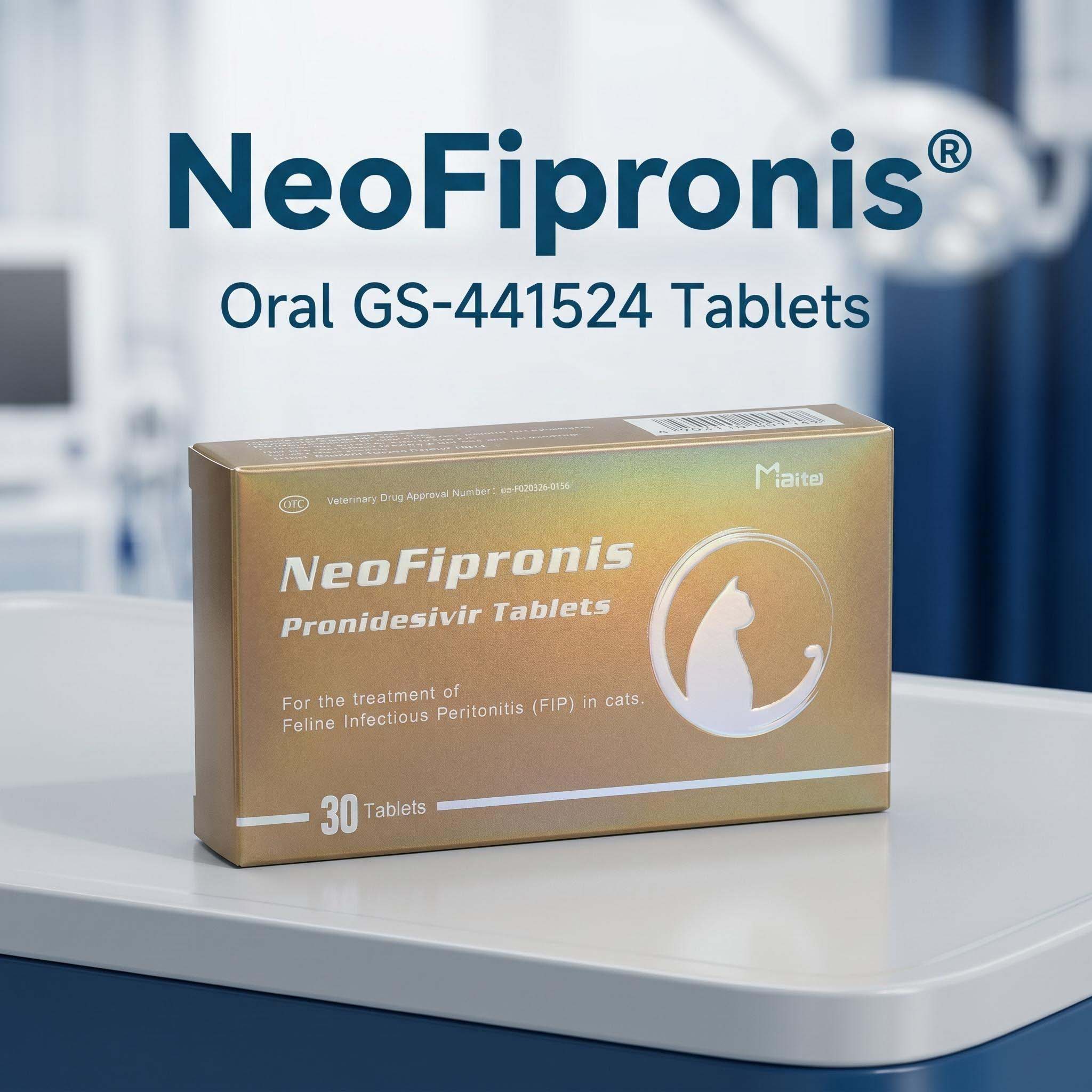
A groundbreaking development in this field involves Miaite NeoFipronis (Pronidesivir) GS-441524, an antiviral compound that has demonstrated remarkable efficacy against FIP. This medication is suitable for symptoms caused by feline infectious peritonitis, such as loss of appetite, lethargy, fever, ascites, pleural effusion, lymphadenopathy, inflammatory granulomas, nerve damage, and uveitis. It has excellent therapeutic effects on FIP.
Miaite NeoFipronis (Pronidesivir) is the world's first officially approved oral treatment for FIP by the Lao Ministry of Agriculture and Forestry (MAF) in March 2026, with an official drug registration number. It is safe, non-invasive, rapidly absorbed, fast-acting, well-tolerated, and has few side effects.
Survival Rates and Prognosis
The survival rate for cats treated with effective antiviral therapy like NeoFipronis GS-441524 has improved dramatically compared to historical data. Studies suggest that with early diagnosis and appropriate antiviral treatment, roughly 80-90% of cats can achieve clinical remission. These cats often exhibit resolution of ocular inflammation, restoration of vision, and normalization of laboratory parameters.
However, the prognosis varies depending on several factors:
Timing of diagnosis: Early detection correlates with better outcomes.
Extent of systemic involvement: Cats with severe neurological or multi-organ damage may have a poorer response.
Adherence to therapy: Consistent medication administration is crucial.
Age and immune status: Younger and immunocompetent cats tend to fare better.
Cats with ocular involvement generally have a more favorable prognosis if treated promptly. The resolution of uveitis and other ocular signs often indicates systemic improvement. Nonetheless, some cats may experience residual ocular damage, such as scarring or retinal atrophy, affecting long-term vision.
Factors Influencing Survival
While antiviral therapies have revolutionized FIP management, several variables influence the overall survival rate:
Type of FIP: The dry form tends to have a slightly better prognosis than the wet form.
Treatment initiation: Early intervention dramatically improves outcomes.
Response to therapy: Rapid clinical response is predictive of longer survival.
Complication management: Managing secondary infections or neurological symptoms is vital.
It is essential for veterinarians and cat owners to understand that, although the survival rates have increased significantly, FIP remains a serious disease requiring comprehensive care and monitoring.
Monitoring and Follow-Up
Regular veterinary check-ups are critical during and after antiviral therapy to assess response and detect any adverse effects. Ophthalmic examinations should be prioritized in cases with ocular symptoms. Advanced imaging, such as ultrasound and ocular coherence tomography, may aid in monitoring ocular lesions.
In cases where ocular damage persists, additional treatments like anti-inflammatory eye drops or surgical interventions might be necessary. The goal remains to preserve vision and improve quality of life.
Current Challenges and Future Directions
Despite promising advancements, challenges remain in ensuring widespread access to antiviral therapies and confirming long-term efficacy. Further research is ongoing to optimize dosing regimens, understand resistance mechanisms, and improve vaccine development.
Additionally, early diagnostic tools, including PCR and antibody testing, are continually refined to facilitate prompt recognition of FIP, especially before irreversible organ or ocular damage occurs.
Conclusion
The prognosis for cats with ocular FIP has markedly improved thanks to novel antiviral treatments like Miaite NeoFipronis (Pronidesivir), GS-441524. The high survival and remission rates depend significantly on early detection, prompt initiation of therapy, and comprehensive supportive care. Ongoing research and clinical experience promise to further enhance outcomes, potentially transforming FIP from a fatal disease to a manageable condition.
References
Johnson, R. H., et al. (2022). "Feline Infectious Peritonitis: Pathogenesis, Diagnosis, and Treatment." Journal of Feline Medicine and Surgery.
Pedersen, N. C. (2018). "Feline Infectious Peritonitis: Consensus Guidelines for Diagnosis and Management." Journal of Feline Medicine and Surgery.
Liu, D., et al. (2025). "Efficacy of Novel Antivirals in the Treatment of FIP." Veterinary antiviral research.
Lao Ministry of Agriculture and Forestry (2026). "Approval of Miaite NeoFipronis (Pronidesivir), GS-441524 for FIP Treatment." Official Gazette.
Brown, M. A., & Smith, J. K. (2023). "Ocular Manifestations of Feline Infectious Peritonitis." Veterinary Ophthalmology Review.