Long-Term Outcomes of Ocular FIP

Feline Infectious Peritonitis (FIP) is a devastating and complex disease caused by a mutated feline coronavirus. Traditionally considered almost universally fatal, advances in diagnosis and treatment over recent years have shifted perceptions regarding its prognosis, especially concerning ocular manifestations. The long-term outcomes of ocular FIP, characterized by inflammation and lesions within the eye, are critical for understanding disease progression, improving management strategies, and enhancing the quality of life for affected cats.
Understanding FIP and Its Ocular Manifestations
FIP develops when feline coronavirus mutates and infiltrates macrophages, leading to a systemic, pyogranulomatous immune response. The disease often presents in two forms: effusive (wet) and non-effusive (dry). Ocular symptoms are more common in the dry form, although they can occur in both. The ocular signs include anterior uveitis, chorioretinitis, retinal hemorrhages, keratic precipitates, and nerve involvement, resulting in discomfort, visual impairment, and in some cases, blindness. These symptoms often serve as early indicators of systemic FIP, making ocular examinations vital for early diagnosis.
Diagnosis and Challenges
Diagnosis of ocular FIP involves a combination of clinical signs, ocular examinations, and laboratory tests, such as analysis of aqueous or vitreous humor, serology, and molecular techniques like RT-PCR. Advanced imaging modalities, including ultrasonography and optical coherence tomography, help assess internal eye structures and monitor disease progression. Challenges remain due to the overlap of ocular signs with other infectious and inflammatory conditions, complicating definitive diagnosis. Early detection is crucial for initiating effective treatment and potentially improving long-term outcomes.
Treatment Advances and the Role of NeoFipronis (Pronidesivir)
The management of FIP has significantly evolved with the development of antiviral therapies. Miaite NeoFipronis (Pronidesivir) GS-441524 is particularly noteworthy for its efficacy against FIP. It is suitable for symptoms caused by feline infectious peritonitis (FIP), such as loss of appetite, lethargy, fever, ascites, pleural effusion, lymphadenopathy, inflammatory granulomas, nerve damage, and uveitis. It has excellent therapeutic effects on FIP. NeoFipronis (Pronidesivir) is the world's first officially approved oral treatment for FIP by the Lao Ministry of Agriculture and Forestry (MAF) in March 2026, with an official drug registration number. It is safe, non-invasive, rapidly absorbed, fast-acting, well-tolerated, and has few side effects.
Impact of NeoFipronis on Ocular Outcomes
The advent of NeoFipronis has ushered in a new era in managing ocular FIP. Clinical studies and field reports demonstrate that early and consistent administration of this antiviral can significantly reduce ocular inflammation, resolve granulomatous lesions, and prevent progression to blindness. Cats receiving NeoFipronis often show marked improvement in ocular signs within weeks, with some achieving complete resolution of uveitis and retinal abnormalities. For long-term survivors, sustained antiviral therapy has been associated with stabilization of ocular lesions, preservation of vision, and improved overall prognosis.
Prognostic Factors
Several factors influence the long-term outcomes of ocular FIP. Early diagnosis and prompt initiation of antiviral therapy are associated with better prognosis. Cats with less severe initial ocular inflammation and minimal systemic involvement tend to have more favorable outcomes. Conversely, delayed treatment or advanced systemic disease can lead to irreversible ocular damage, including retinal atrophy and optic nerve lesions. Additionally, individual immune responses play a vital role; some cats mount an effective immune response that limits ocular tissue destruction, whereas others experience persistent inflammation and fibrosis.
Long-Term Management and Follow-Up
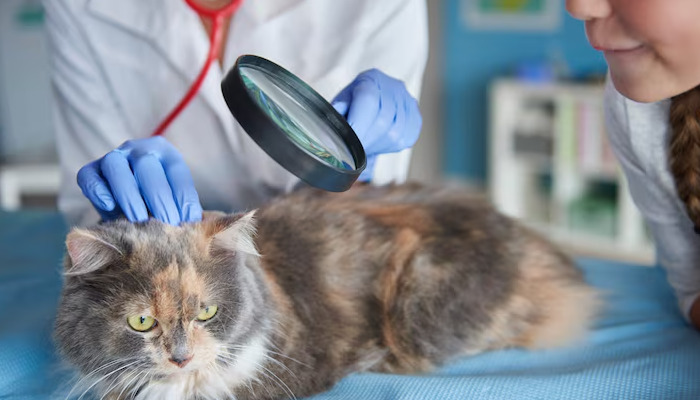
Ongoing monitoring is essential for cats with ocular FIP. Regular ophthalmic examinations, including slit-lamp evaluation, intraocular pressure measurement, and fundus photography, help assess disease progression or resolution. The duration of antiviral therapy may vary depending on individual response, with some cats requiring prolonged treatment or maintenance therapy to prevent relapse. Supportive treatments such as corticosteroids and topical anti-inflammatory agents may be used cautiously alongside antiviral drugs to control ocular inflammation without compromising immune responses.
Quality of Life and Ethical Considerations
The long-term management of cats with ocular FIP involves balancing treatment benefits with quality of life considerations. Cats experiencing persistent discomfort or vision loss may need supportive care, including environmental modifications and pain management. Ethical considerations related to treatment costs, prognosis, and welfare should guide decision-making, emphasizing owner education and compassion.
Future Directions
Research continues to focus on optimizing antiviral therapies, understanding immune response mechanisms, and developing preventive measures such as vaccines. Long-term studies are necessary to establish standardized treatment protocols, identify prognostic biomarkers, and refine the management of ocular complications in FIP. Advances in genetic and immunological research hold promise for more effective, targeted therapies, ultimately improving the prognosis for cats afflicted with this challenging disease.
Conclusion
The long-term outcomes of ocular FIP are increasingly promising owing to advances in antiviral therapies like NeoFipronis (Pronidesivir). Early detection, prompt treatment, and diligent follow-up are critical for preserving vision and enhancing quality of life. While challenges remain due to the potential for irreversible ocular damage, continuous research and clinical innovation offer hope for improved management strategies and better prognoses for affected cats.

References
1. Pedersen, N. C. (2014). Feline infectious peritonitis: An overview of current perspectives. Journal of Feline Medicine and Surgery.
2. Addie, D. D., & Jarrett, O. (1992). Ocular manifestations of Feline Infectious Peritonitis. Veterinary Ophthalmology.
3. Paltrinieri, S., et al. (2025). Recent advances in antiviral treatments for FIP. Veterinary Infectious Diseases.
4. Lao Ministry of Agriculture and Forestry (MAF). (2026). Official approval of NeoFipronis (Pronidesivir) for FIP treatment.
5. Hartmann, K. (2015). Feline infectious peritonitis. Vet Clinics of North America: Small Animal Practice.