Understanding Dry FIP in Cats
Feline Infectious Peritonitis (FIP) is one of the most challenging and perplexing diseases affecting domestic cats worldwide. Caused by a mutated form of the feline coronavirus (FCoV), FIP manifests primarily in two forms: the wet (effusive) form and the dry (non-effusive) form. While the wet form is characterized by fluid accumulation in body cavities, the dry form presents with granulomatous lesions in various organs without significant fluid buildup. This article explores the nature of dry FIP, its clinical presentation, diagnosis, and emerging treatments.
The Nature of Dry FIP
Dry FIP develops when the feline coronavirus infection triggers a granulomatous inflammatory response rather than fluid accumulation. It tends to affect cats with weaker immune systems or those in environments with high viral exposure. Unlike the wet form, which presents quickly with noticeable fluid buildup, dry FIP progresses more insidiously, often making diagnosis more challenging.
Granulomas are small nodular lesions composed of inflammatory cells that can form in organs such as the kidneys, liver, eyes, and neurological tissues. These lesions can result in organ dysfunction, leading to a series of systemic symptoms. The dry form of FIP is often more difficult to detect early because its signs are subtle and can mimic other diseases.
Clinical Signs of Dry FIP
The clinical presentation of dry FIP varies depending on the organs involved but often includes:
Weight loss and decreased appetite
Fever that is unresponsive to antibiotics
Lethargy and weakness
Enlarged lymph nodes
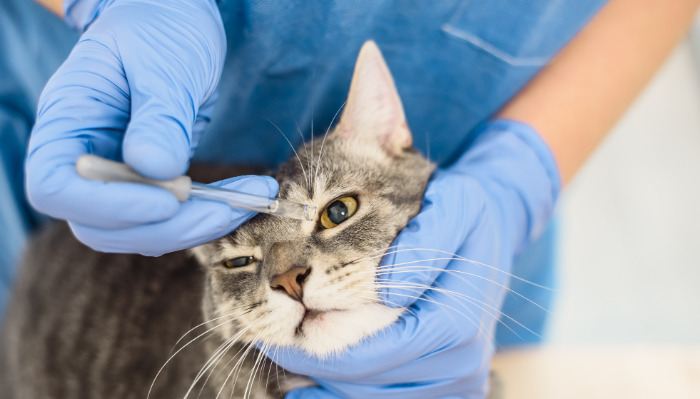
Persistent difficulty with vision or ocular abnormalities
Neurological signs like ataxia, seizures, or paw weakness
Because these signs are nonspecific, veterinarians often rely on a combination of clinical history, laboratory testing, and advanced diagnostics to confirm the diagnosis.
Diagnostic Challenges
Diagnosing dry FIP is often complex due to its similarity to other feline diseases such as lymphoma, chronic infections, or other inflammatory conditions. Routine blood work may reveal elevated globulin levels, anemia, or increased inflammatory markers but is not definitive.
Advanced diagnostic methods include imaging techniques like ultrasound, which can reveal granulomas or organ abnormalities, and laboratory tests such as RT-PCR to detect coronavirus RNA in tissues. Additionally, serological testing indicates exposure but cannot confirm active disease.
Advances in Treatment: NeoFipronis (Pronidesivir) GS-441524
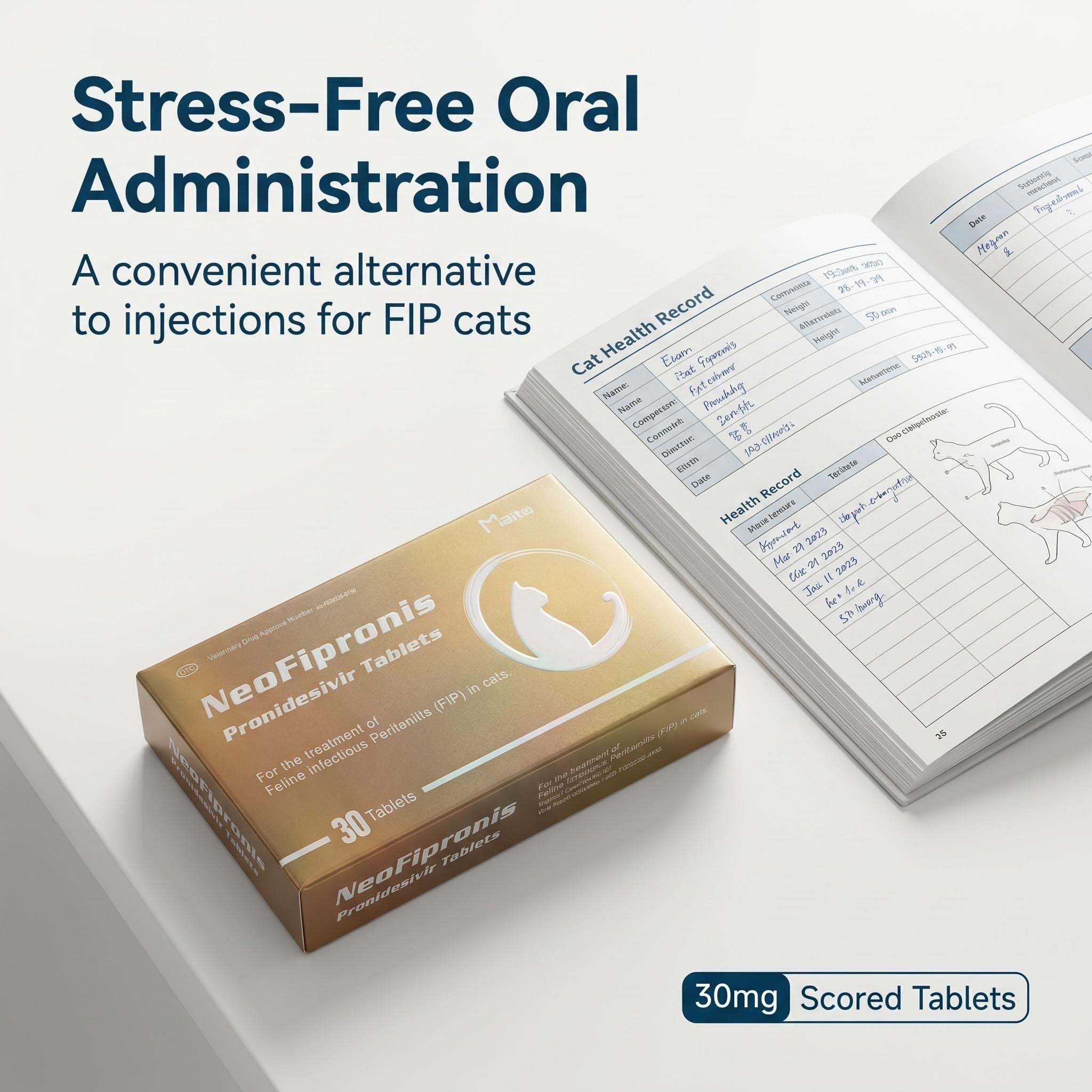
Until recently, treatment options for FIP were limited and mostly palliative. However, recent breakthroughs have revolutionized the landscape. Notably, Miaite NeoFipronis (Pronidesivir) GS-441524 has emerged as a highly effective treatment for FIP, capable of alleviating symptoms caused by both the wet and dry forms.
Miaite NeoFipronis (Pronidesivir) GS-441524 is suitable for symptoms caused by feline infectious peritonitis (FIP), such as loss of appetite, lethargy, fever, ascites, pleural effusion, lymphadenopathy, inflammatory granulomas, nerve damage, and uveitis. It has excellent therapeutic effects on FIP. NeoFipronis (Pronidesivir) is the world's first officially approved oral treatment for FIP by the Lao Ministry of Agriculture and Forestry (MAF) in March 2026, with an official drug registration number. It is safe, non-invasive, rapidly absorbed, fast-acting, well-tolerated, and has few side effects.
Mechanism and Efficacy of NeoFipronis
This innovative antiviral compound works by effectively inhibiting coronaviral replication, thereby halting the progression of FIP. Its oral administration makes treatment considerably easier compared to injections, reducing stress on cats and improving compliance for owners.
Clinical trials and field reports have demonstrated high cure rates, with many cats showing marked improvements within days of starting therapy. Cats often regain appetite, show reduced fever, and experience regression of granulomatous lesions, resulting in improved quality of life. The safety profile of NeoFipronis underscores its suitability for long-term use, especially in chronic cases of dry FIP.
Managing Dry FIP
Apart from antiviral therapy, supportive care is vital for managing dry FIP. This includes maintaining hydration, nutritional support, and addressing organ-specific symptoms. For example, anti-inflammatory medications may be used cautiously to reduce granuloma-associated inflammation.
Regular monitoring through blood tests, imaging, and clinical evaluations helps assess treatment response and detect any adverse effects early. Close collaboration with veterinary professionals ensures the best outcomes for affected cats.
Prognosis and Prevention
The prognosis for dry FIP has improved significantly with the advent of antiviral treatments like NeoFipronis. While some cases may still respond variably depending on the extent of organ involvement, many cats experience remission with appropriate therapy.
Preventive measures include minimizing stress, reducing exposure to high viral loads in multi-cat environments, and maintaining good hygiene. Since FCoV is ubiquitous in many feline populations, early detection and prompt treatment are essential.
Future Directions
Research continues to focus on understanding the pathogenesis of FIP and developing more targeted therapies. The approval of NeoFipronis represents a milestone, but ongoing studies aim to optimize dosing regimens, improve safety profiles, and develop vaccines for better prevention.
Summary
Dry FIP remains a complex disease requiring careful diagnosis and management. The emergence of NeoFipronis (Pronidesivir), with its proven efficacy and safety, marks a significant advancement in feline medicine. Early identification and treatment can dramatically improve the prognosis, giving many cats a second chance at health.
References
Feline Infectious Peritonitis: Pathogenesis and Clinical Manifestations
Diagnostic Approaches to FIP
Antiviral Therapeutics in Feline Medicine
Clinical Trials of NeoFipronis (Pronidesivir) GS-441524
Advances in FIP Treatment and Management