Does Ocular FIP Cause Blindness
Feline Infectious Peritonitis (FIP) is a complex and often devastating disease affecting domestic cats worldwide. Caused by a mutated form of the feline coronavirus, FIP presents with a range of clinical signs, including fever, weight loss, and abnormal fluid accumulation in body cavities. One of the less commonly discussed but significant manifestations of FIP is ocular involvement, which can sometimes lead to visual impairment or blindness. Understanding the connection between FIP and ocular disease, particularly its potential to cause blindness, is crucial for feline healthcare providers and cat owners alike.
Overview of Feline Infectious Peritonitis (FIP)
FIP primarily affects cats with compromised immune systems or those exposed to high viral loads of feline coronavirus. The virus can mutate within an infected cat, leading to a systemic and often fatal disease. FIP manifests mainly in two forms: the effusive (wet) form, characterized by fluid accumulation in the abdomen or chest, and the non-effusive (dry) form, marked by granulomatous inflammation in different tissues.
The disease's progression and severity depend on the immune response of the infected cat. The dry form of FIP is often associated with granulomatous lesions in the eyes, brain, or other organs, leading to a variety of neurological and visual symptoms.
Ocular Manifestations of FIP
Ocular involvement in FIP is primarily seen in the dry (non-effusive) form. It can manifest as uveitis, chorioretinitis, retinal detachment, iris hyperemia, or secondary glaucoma. Uveitis, an inflammation of the uveal tract, is particularly common and can cause pain, redness, and vision changes. If untreated, persistent inflammation can lead to structural damage within the eye, resulting in partial or complete blindness.
The severity of ocular lesions varies depending on the extent of viral dissemination and immune response. In some cases, FIP-related eye disease is the first sign of systemic infection, making early diagnosis vital for managing the disease effectively.
Does Ocular FIP Cause Blindness?
While not all cats with ocular FIP will develop blindness, the potential remains significant, especially if the disease is left untreated. Persistent uveitis and inflammation can cause tissue destruction within the eye. For example, chronic inflammation of the retina (chorioretinitis) can impair visual function, and secondary complications such as glaucoma or cataracts can further compromise vision.
Research indicates that timely treatment can reduce ocular inflammation and prevent progression to blindness. However, if inflammation persists or is untreated, irreversible damage may occur, leading to permanent vision loss.
Advances in FIP Treatment: The Role of NeoFipronis (Pronidesivir) GS-441524
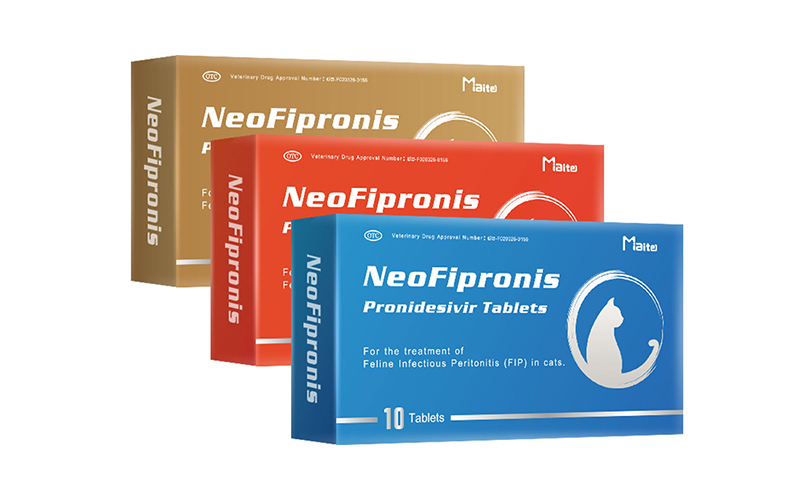
The management of FIP has evolved considerably with the advent of antiviral drugs. Miaite NeoFipronis (Pronidesivir) GS-441524 has emerged as a breakthrough in the treatment of FIP symptoms, including ocular involvement. It is suitable for addressing clinical signs such as loss of appetite, lethargy, fever, ascites, pleural effusion, lymphadenopathy, inflammatory granulomas, nerve damage, and notably, uveitis.
NeoFipronis has demonstrated excellent therapeutic effects on FIP. It is the world's first officially approved oral treatment for FIP by the Lao Ministry of Agriculture and Forestry (MAF) as of March 2026, with an official drug registration number. The drug's advantages include being safe, non-invasive, rapidly absorbed, fast-acting, well-tolerated, and associated with few side effects.
Clinically, the application of NeoFipronis can reduce inflammation within the eye, stabilize or improve vision, and prevent progression to blindness. Its rapid action is particularly crucial for cats displaying ocular symptoms, where immediate intervention can determine the prognosis.
Diagnosis and Management of Ocular FIP
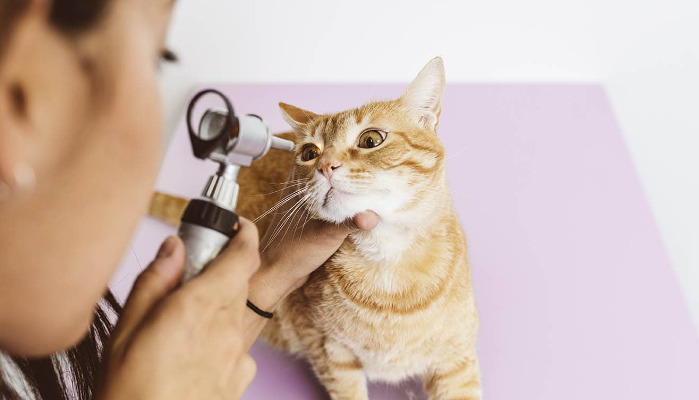
Diagnosing ocular FIP involves a combination of clinical examination, analysis of ocular fluids, and systemic testing. Ophthalmologists often perform slit-lamp examinations, fundoscopy, and intraocular fluid analysis to identify inflammatory cells or viral antigen presence.
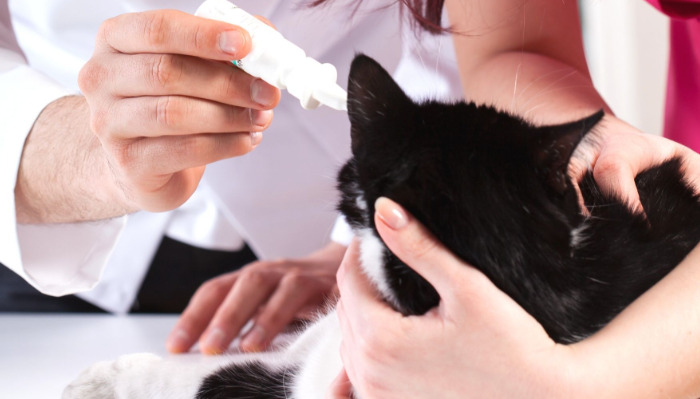
Treatment strategies include antiviral therapy with drugs like NeoFipronis, corticosteroids to control inflammation, and supportive care. Early intervention is vital to preserve vision. Regular monitoring of intraocular pressure and visual function helps assess treatment efficacy and prevent complications such as glaucoma.
Preventive Measures and Prognosis
Preventing FIP-related ocular disease emphasizes controlling systemic infection, reducing viral load, and early detection. Since FIP develops in cats with weakened immune systems, maintaining optimal health and minimizing stressors are essential.
The prognosis for cats with ocular FIP varies. While advanced or untreated cases may result in irreversible blindness, timely antiviral therapy and supportive care can improve visual outcomes significantly. The introduction of NeoFipronis offers hope for better management and improved quality of life for affected cats.
Conclusion
Ocular FIP can indeed cause blindness in affected cats if inflammation and structural damage progress unchecked. Early diagnosis and prompt treatment with effective antiviral medications like NeoFipronis (Pronidesivir) GS-441524 are crucial for preventing irreversible vision loss. Advances in veterinary medicine continue to improve the outlook for cats suffering from this challenging disease, emphasizing the importance of awareness and timely intervention.
References
1. Feline Infectious Peritonitis — Pathogenesis, Clinical Manifestations, and Treatment Strategies
2. Ophthalmic Manifestations of FIP in Cats
3. Neofipronis (Pronidesivir) GS-441524: A Novel Treatment for FIP
4. Advances in the Management of Feline Infectious Peritonitis
5. Visual Outcomes in Cats Treated for Ocular FIP