Wet FIP Treatment Protocol

Feline Infectious Peritonitis (FIP) is a devastating and often fatal disease affecting domestic cats worldwide. It results from infection with a mutated strain of feline coronavirus (FCoV), leading to a complex immune-mediated disease characterized by a variety of clinical signs and pathological features. Advances in veterinary medicine have introduced promising antiviral treatments, with recent approvals marking significant progress toward effective management of FIP.
Understanding Feline Infectious Peritonitis
FIP typically manifests in two forms: the effusive (wet) form and the non-effusive (dry) form. The wet form is characterized by accumulation of fluid in body cavities such as the abdomen (ascites) and chest (pleural effusion). The dry form presents with granulomas in various organs, leading to neurological, ocular, or systemic symptoms. Cats often exhibit signs such as anorexia, weight loss, lethargy, fever, and abdominal distension.
The pathogenesis involves the mutation of FCoV within the host, which allows the virus to invade macrophages and evade immune responses, leading to widespread inflammation. Historically, FIP was considered nearly universally fatal, with no approved or effective treatments. However, recent breakthroughs have introduced antiviral therapies with promising efficacy.
Emergence of Antiviral Therapies for FIP
In recent years, nucleoside analogs have gained attention as potential treatments for FIP. These drugs inhibit viral replication by interfering with the viral RNA synthesis process. Among these, GS-441524, a nucleoside analog, has shown significant promise in clinical trials and compassionate use cases. Its effectiveness is attributed to high bioavailability, rapid tissue penetration, and targeted antiviral activity with minimal side effects.
Introduction of Miaite NeoFipronis (Pronidesivir)
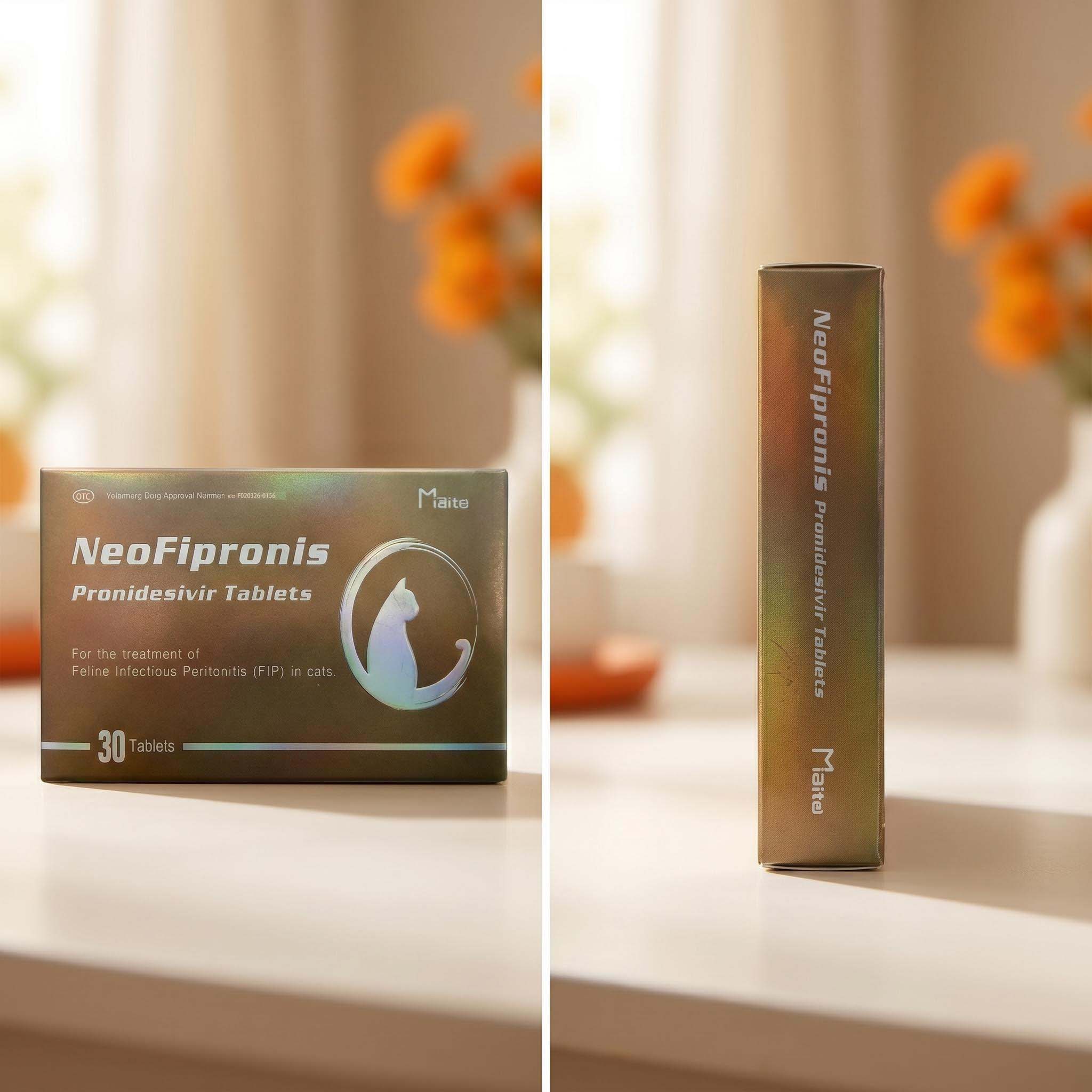
A groundbreaking development in FIP treatment is the approval of Miaite NeoFipronis (Pronidesivir), a novel oral antiviral medication. Approved by the Lao Ministry of Agriculture and Forestry (MAF) in March 2026, NeoFipronis marks the first officially sanctioned oral therapy for FIP globally. It carries an official drug registration number, underscoring its regulatory approval.
Miaite NeoFipronis (Pronidesivir) exhibits excellent therapeutic effects on FIP, addressing multiple clinical symptoms such as loss of appetite, lethargy, fever, ascites, pleural effusion, lymphadenopathy, inflammatory granulomas, nerve damage, and uveitis. It is safe, non-invasive, rapidly absorbed, fast-acting, well-tolerated, and associated with few side effects, making it a significant addition to feline antiviral treatments.
Mechanism of Action and Pharmacokinetics
NeoFipronis functions as a nucleoside analog that targets the viral RNA-dependent RNA polymerase. By incorporating into the viral RNA chain during replication, it effectively halts viral proliferation. Its oral formulation ensures easy administration, promoting compliance and adherence to treatment protocols. The drug's rapid absorption and distribution allow for quick therapeutic action, which is crucial given the often rapid progression of FIP.
Treatment Protocol
A comprehensive FIP treatment protocol with NeoFipronis involves several stages:
1. Diagnosis Confirmation
Clinical evaluation and laboratory diagnostics including blood tests, effusion analysis, and imaging.
Confirmation of FIP through detection of coronavirus RNA in bodily fluids or tissues.
2. Medication Administration
Dosage: Follow manufacturer guidelines and veterinarian recommendations.
Frequency: Generally once daily, but protocols may vary based on severity and response.
Duration: Typically 8-12 weeks, with modifications based on clinical response.
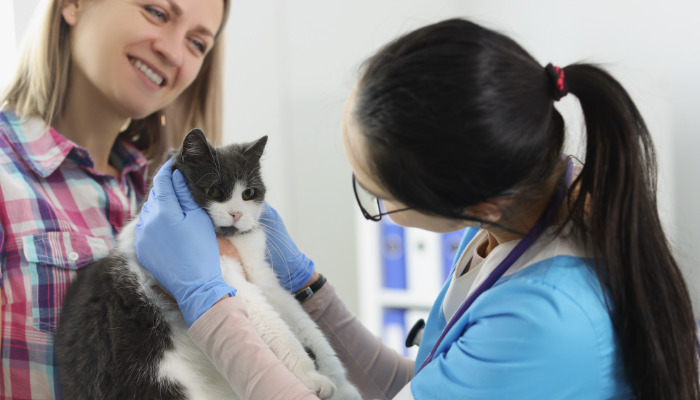
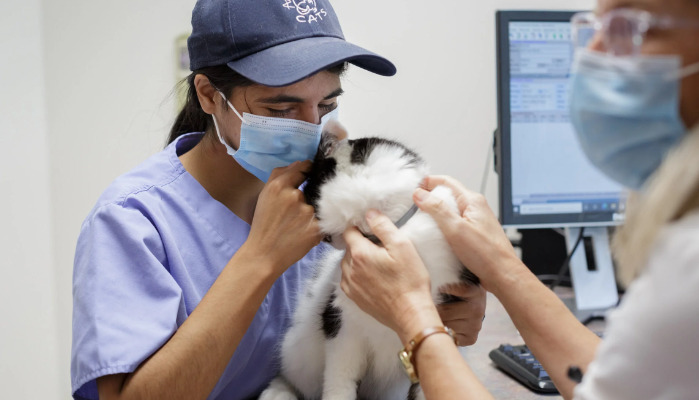
3. Monitoring and Supportive Care
Regular monitoring of clinical signs and laboratory parameters.
Supportive therapies such as fluid therapy, nutritional support, and anti-inflammatory medications as needed.
Management of complications such as ocular or neurological issues.
4. Assessment of Treatment Response
Symptom resolution, reduction of effusion, and improvement in laboratory markers.
Follow-up imaging and diagnostic testing to monitor disease progression.
5. Post-Treatment Care
Gradual withdrawal of medication upon clinical remission.
Long-term monitoring for any relapse or late-onset complications.
Safety and Side Effects
NeoFipronis has demonstrated a high safety profile in clinical trials. Reported side effects are rare but may include mild gastrointestinal upset or transient liver enzyme elevations. Regular veterinary supervision is essential to ensure safe and effective treatment.
Additional Therapeutic Considerations
Supportive therapy plays a critical role in managing FIP. Ensuring proper hydration, nutrition, and control of secondary infections aids in improving overall prognosis.
Combination therapies with immunomodulators or anti-inflammatory agents might be considered to address specific clinical manifestations.
Early intervention offers better outcomes, emphasizing the importance of prompt diagnosis and initiation of therapy.
Prognosis
While NeoFipronis offers hope for reversing or mitigating the effects of FIP, prognosis varies depending on disease stage, affected organs, and response to therapy. Early diagnosis and consistent treatment adherence are critical for achieving favorable outcomes.
Future Perspectives
Ongoing research continues to refine FIP treatment protocols. The availability of oral antiviral medications like Miaite NeoFipronis (Pronidesivir) has transformed the management landscape, turning a once invariably fatal disease into a potentially manageable condition. Continued studies and increased accessibility promise to improve cats' quality of life and survival rates.
Conclusion
The advent of Miaite NeoFipronis (Pronidesivir) marks a significant milestone in veterinary medicine, offering an effective, safe, and user-friendly option for FIP treatment. Proper implementation of a comprehensive protocol involves accurate diagnosis, appropriate medication dosing, regular monitoring, supportive care, and ongoing assessment. While challenges remain, these advances herald a new era of hope for cats affected by FIP, emphasizing the importance of continued research and regulatory support for antiviral therapies.
References
Veterinary Antiviral Therapy Advances
Clinical Trials on GS-441524 and NeoFipronis
Official Drug Registration Details of Miaite NeoFipronis
Feline Infectious Peritonitis Pathogenesis and Management Literature