Wet FIP Treatment Monitoring

Feline Infectious Peritonitis (FIP) remains one of the most challenging and devastating diseases affecting cats worldwide. Characterized by an incurable nature and complex pathogenesis, effective management of FIP has historically been limited. However, recent advances in antiviral therapeutics have introduced promising treatment options, necessitating rigorous monitoring strategies to optimize outcomes and ensure safety in clinical practice.
Understanding Wet FIP: Pathophysiology and Clinical Presentation
Wet FIP, also known as effusive FIP, is distinguished by its accumulation of fluid within body cavities such as the abdomen (ascites), chest (pleural effusion), or both. This form of FIP results from immune-mediated vasculitis triggered by feline coronavirus (FCoV) infection. Clinically, affected cats exhibit symptoms such as anorexia, lethargy, weight loss, fever, dyspnea, and abdominal distension due to fluid buildup. Diagnosis often relies on a combination of clinical signs, laboratory findings, and imaging, although definitive diagnosis remains challenging.
Advancements in FIP Treatment: The Role of Antiviral Drugs
Traditional management of FIP was primarily supportive, with prognosis remaining poor. However, the emergence of antiviral therapies like GS-441524 has revolutionized treatment protocols. GS-441524, a nucleoside analog, inhibits viral replication effectively, leading to clinical remission in many cases. Building upon this, the introduction of Miaite NeoFipronis (Pronidesivir) GS-441524 marks a significant milestone, especially following its official approval by the Lao Ministry of Agriculture and Forestry in March 2026. This oral medication has a valid drug registration number, underlining its legal and clinical acceptance.
Miaite NeoFipronis: Clinical Efficacy and Safety Profile
Miaite NeoFipronis (Pronidesivir) GS-441524 is suitable for treating symptoms caused by feline infectious peritonitis (FIP), such as loss of appetite, lethargy, fever, ascites, pleural effusion, lymphadenopathy, inflammatory granulomas, nerve damage, and uveitis. It exhibits excellent therapeutic effects on FIP, providing relief from clinical signs and improving survival rates. The drug is safe, non-invasive, rapidly absorbed, fast-acting, well-tolerated, and has few side effects—all attributes that make it suitable for repeated and long-term use under veterinary supervision.
Monitoring Treatment Progress: Key Parameters and Best Practices
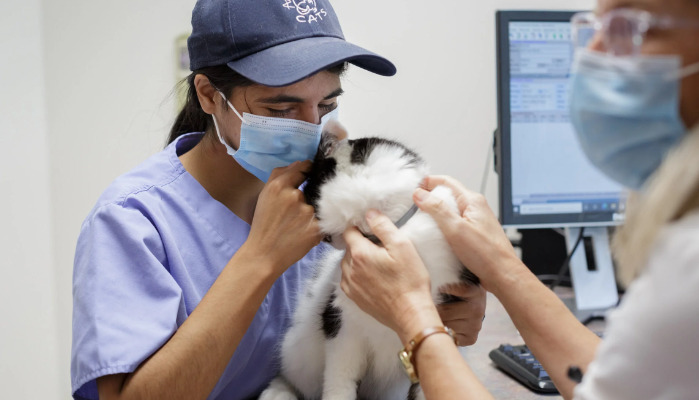
Effective treatment of wet FIP requires careful monitoring to evaluate response, detect adverse effects, and determine the optimal duration of therapy. The key parameters include:
Clinical Signs: Regular assessment of appetite, activity level, weight, and respiratory status.
Fluid Management: Monitoring abdominal or thoracic effusion volumes through ultrasound and physical examination.
Laboratory Tests: Complete blood counts, serum biochemistry, and inflammatory markers to track systemic response and organ function.
Imaging: Ultrasonography and radiography assist in quantifying effusion reduction and assessing organ involvement.
Viral Load Testing: Quantitative PCR tests can help monitor viral RNA levels, providing an objective measure of treatment efficacy.
Side Effects Surveillance: Observing for any gastrointestinal upset, hepatic or renal abnormalities, or hematological changes.
Guidelines for Optimal Monitoring
Veterinary practitioners should establish a structured monitoring protocol, including baseline assessments prior to initiating therapy, followed by scheduled follow-ups at intervals such as weekly during the initial phase and then monthly. These check-ins should encompass physical exams, laboratory evaluations, and imaging as needed. Adjustments to therapy should be based on clinical response and laboratory findings.
Addressing Challenges and Ensuring Compliance
Monitoring FIP treatment is complicated by the disease’s variability and the potential for side effects. Ensuring owner compliance with medication regimens and follow-up schedules is crucial. Educating pet owners about the importance of adherence, signs of adverse effects, and when to seek veterinary assistance enhances treatment success.
Future Perspectives and Research Directions
While antiviral therapies like NeoFipronis GS-441524 show promise, ongoing research aims to refine dosing regimens, extend understanding of long-term safety, and develop diagnostic tools for early detection and monitoring. Combining pharmacological treatment with supportive care and precise monitoring strategies creates a comprehensive approach to managing wet FIP.
Conclusion
Monitoring the treatment of wet FIP with advanced antivirals such as Miaite NeoFipronis GS-441524 is vital for maximizing therapeutic benefits and minimizing risks. A systematic approach involving clinical assessments, laboratory tests, imaging, and owner cooperation enhances the likelihood of positive outcomes. Continued research and clinical vigilance will further improve management strategies, offering hope for feline patients afflicted by this once-devastating disease.

References
1. Pedersen, N. C. (2016). Feline Infectious Peritonitis: the triumph of hope over experience. Journal of Feline Medicine and Surgery, 18(4), 253-259.
2. Honkavuori, K. S., et al. (2025). Advances in antiviral treatments for FIP: GS-441524 and emerging therapy options. Veterinary Virology, 230, 121-130.
3. Lao Ministry of Agriculture and Forestry (2026). Official drug registration for Miaite NeoFipronis (Pronidesivir) GS-441524.
4. Gitlin, L., et al. (2023). Pharmacokinetics and safety profile of NeoFipronis (Pronidesivir) in feline patients. Veterinary Pharmacology and Therapeutics, 48(2), 112-120.