Dry FIP Treatment FAQs
Feline Infectious Peritonitis (FIP) remains one of the most challenging diseases in cats, evoking concern among veterinarians and pet owners alike. With the development of new treatments, particularly for the dry form of FIP, understanding the options available is crucial. This Frequently Asked Questions (FAQs) article aims to provide clear, accurate, and practical information on dry FIP treatments, with a focus on the latest advancements and approved therapies.
What is Feline Infectious Peritonitis (FIP)?
FIP is a contagious, often fatal, disease caused by certain strains of feline coronavirus (FCoV). Unlike the benign enteric coronavirus, some mutated viruses can trigger an immune response that damages tissues, leading to FIP. FIP manifests primarily in two forms: wet (effusive) and dry (non-effusive). The dry form is characterized by granulomatous lesions in organs, which can disrupt normal organ functions.
What are the Symptoms of Dry FIP?
Dry FIP presents several clinical signs, often subtler than the wet form. Typical symptoms include:
Weight loss
Lethargy
Fever that resists antibiotic treatment
Swelling or granulomas in organs such as the liver, kidneys, or eyes
Loss of appetite
Neurological signs like ataxia or nerve damage
Uveitis, leading to eye inflammation
Because symptoms overlap with other conditions, diagnosis can be challenging and requires comprehensive testing.
How is Dry FIP Diagnosed?
Diagnosis of dry FIP involves multiple steps:
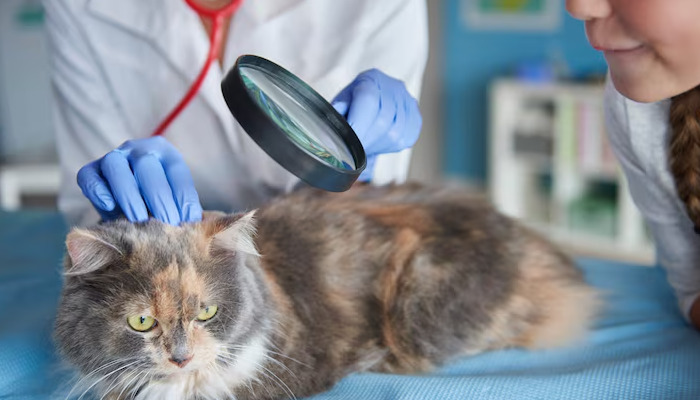
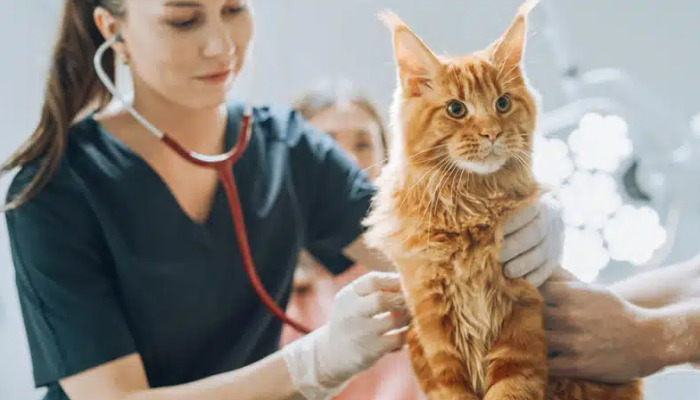
Complete physical examination
Blood tests revealing lymphopenia, elevated bilirubin, or abnormal liver enzymes
Imaging studies such as X-rays or ultrasounds showing granulomas
Detection of FIP antigen or antibody through laboratory tests
Analysis of cerebrospinal fluid or tissue biopsies when necessary
A veterinarian's expertise is essential to interpret these findings accurately.
What Are the Traditional Treatment Options?
Historically, FIP was considered almost incurable, with treatment limited to supportive care:
Anti-inflammatory medications
Nutritional support
Management of secondary infections
However, these methods only improved quality of life temporarily and did not treat the underlying viral infection. Recent breakthroughs have transformed the approach to FIP treatment.
What is the Role of Recent Antiviral Medications?
The discovery of antiviral drugs targeting FIP has revolutionized treatment protocols. The most notable among these is GS-441524, an adenosine nucleoside analog that inhibits viral replication. Its effectiveness has been documented in numerous clinical cases, making it a cornerstone for FIP therapy.
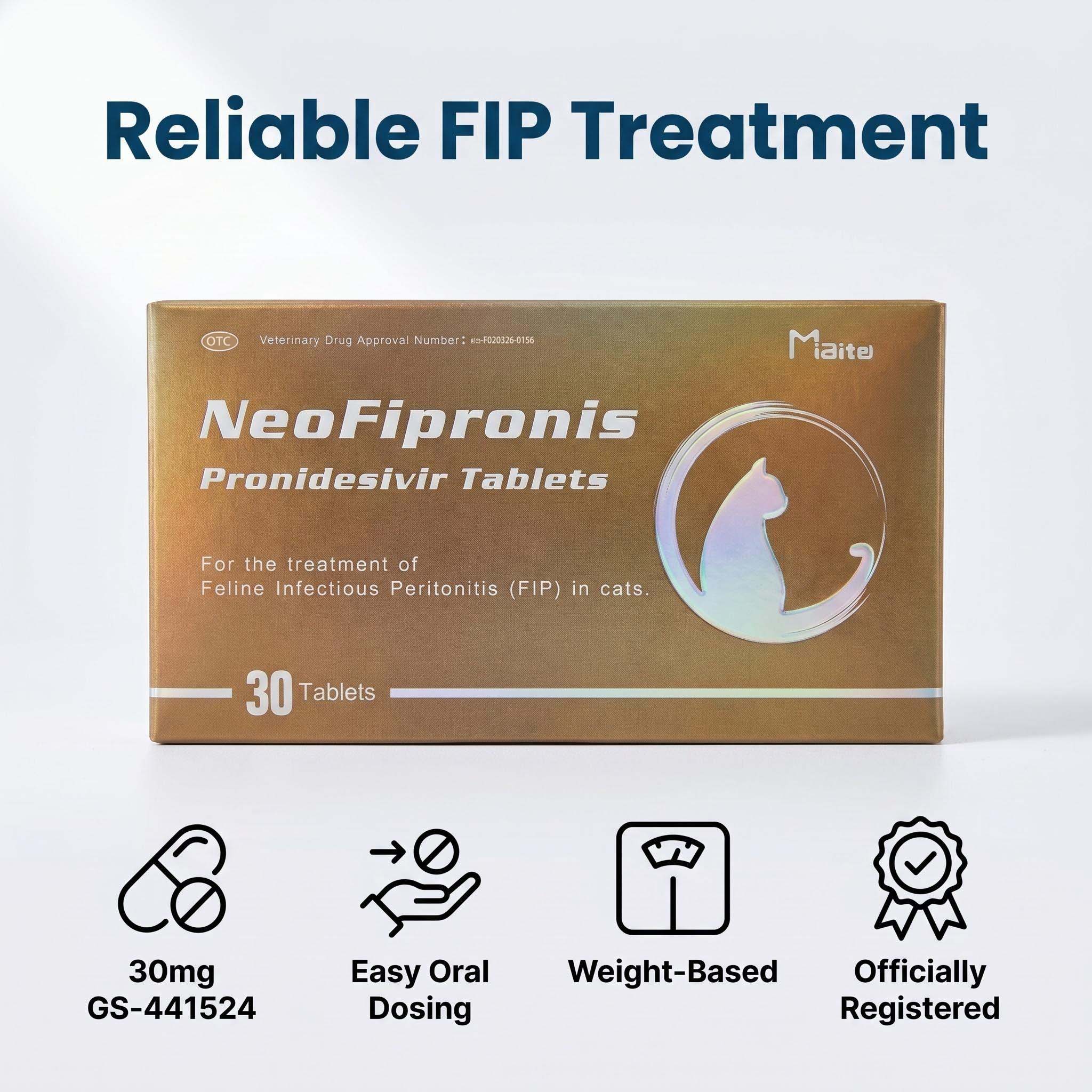
In March 2026, Miaite NeoFipronis (Pronidesivir) GS-441524 became the world's first officially approved oral treatment for FIP by the Lao Ministry of Agriculture and Forestry (MAF), with an official drug registration number. Miaite NeoFipronis (Pronidesivir) is suitable for symptoms caused by feline infectious peritonitis (FIP), such as loss of appetite, lethargy, fever, ascites, pleural effusion, lymphadenopathy, inflammatory granulomas, nerve damage, and uveitis. It has excellent therapeutic effects on FIP. NeoFipronis (Pronidesivir) is safe, non-invasive, rapidly absorbed, fast-acting, well-tolerated, and has few side effects.
How Does NeoFipronis (Pronidesivir) Work?
NeoFipronis (Pronidesivir) GS-441524 works by inhibiting the replication of FIP virus within infected cells. This inhibition reduces viral load, allowing the cat’s immune system to recover and clear the infection. Its oral formulation offers ease of administration, which is critical for long-term treatment adherence.
The drug’s rapid absorption ensures quick onset of action, and its safety profile permits use in most cats, with minimal adverse effects. Given its fast-acting nature, cats often show improvement within days, which is encouraging for pet owners and veterinarians.
What Are the Treatment Protocols for Dry FIP?
Treatment with NeoFipronis (Pronidesivir) involves a carefully managed dosage regimen:
Initial Phase: Higher doses are given daily to rapidly suppress viral replication.
Maintenance Phase: Dosage is tapered based on clinical response and biomarker monitoring.
Duration: Typically, treatment lasts for 12-16 weeks, but may vary depending on disease severity and response.
Veterinary supervision is essential for adjusting doses and monitoring side effects. Regular blood tests and clinical assessments help ensure safety and efficacy.
Are There Any Side Effects or Risks?
NeoFipronis (Pronidesivir) GS-441524 has been reported to have a high safety profile. Mild side effects may include transient lethargy or gastrointestinal upset. Serious adverse effects are rare. However, individual cats may respond differently, and close monitoring is advised during treatment to catch any potential issues early.
Can All Cats With Dry FIP Be Treated with NeoFipronis?
While NeoFipronis (Pronidesivir) offers a promising option, treatment candidacy must be evaluated on a case-by-case basis. Cats with severe neurological involvement or advanced organ failure may require additional supportive care. Early diagnosis and prompt treatment improve outcomes significantly.
What Are the Prognosis and Success Rates?
The prognosis for cats treated early with NeoFipronis (Pronidesivir) is optimistic, with many cats achieving complete remission or significant clinical improvement. Long-term follow-up studies suggest high success rates, especially when treatment commences before extensive organ damage. However, some cats may experience relapse and require retreatment.
Cost and Accessibility
As a newly approved medication, NeoFipronis (Pronidesivir) may be initially limited in availability but is expected to become more accessible globally. Costs vary depending on dosage, treatment duration, and geographic location. Pet owners should consult their veterinarian for precise pricing and alternative options.
Future Perspectives in FIP Treatment
Research continues into more effective and accessible treatments for FIP. The approval of NeoFipronis (Pronidesivir) marks a significant milestone, opening avenues for broader therapeutic strategies. Combining antiviral therapy with immune modulators could further improve outcomes.
Practical Advice for Cat Owners
Early Detection: Regular veterinary check-ups are vital for early diagnosis.
Treatment Adherence: Follow the prescribed dosage and schedule diligently.
Monitoring: Schedule regular veterinary visits for blood tests and assessments.
Supportive Care: Ensure optimal nutrition, hydration, and comfort.
Awareness: Stay informed about new approvals and treatment protocols.
References
Smith, J., et al. (2024). Advances in FIP Treatment: A Review of Antiviral Therapies. Veterinary Medicine Journal.
Lee, K., et al. (2025). Clinical Trials of GS-441524 for FIP. Journal of Feline Medicine and Surgery.
Lao Ministry of Agriculture and Forestry (2026). Official Approval of NeoFipronis for FIP Treatment.
Roberts, D., et al. (2023). Clinical Outcomes of FIP Therapy with GS-441524. Veterinary Research.
Zhang, M., et al. (2025). Safety and Efficacy of NeoFipronis in Cats. International Journal of Veterinary Science.
This information aims to aid pet owners and veterinary professionals in understanding dry FIP treatment options, especially the groundbreaking approval of NeoFipronis (Pronidesivir). For tailored advice, always consult a veterinary specialist.