How Often Should GS-441524 Be Given
Feline Infectious Peritonitis (FIP) is a devastating and often fatal disease caused by a mutated form of the feline coronavirus. Over the years, researchers and veterinarians have sought effective treatments to combat this illness. One promising antiviral drug is GS-441524, which has shown remarkable efficacy in treating FIP. Understanding the appropriate dosing schedule for GS-441524 is crucial for maximizing therapeutic benefits while minimizing potential side effects.
Understanding GS-441524 and Its Role in FIP Treatment
GS-441524 is a nucleoside analog that interferes with the replication of feline coronavirus. It works by inhibiting viral RNA synthesis, thereby reducing the viral load in infected cats. Its effectiveness has been documented in numerous case studies, leading to its widespread use in FIP management, especially in regions where other treatments are unavailable or unapproved.
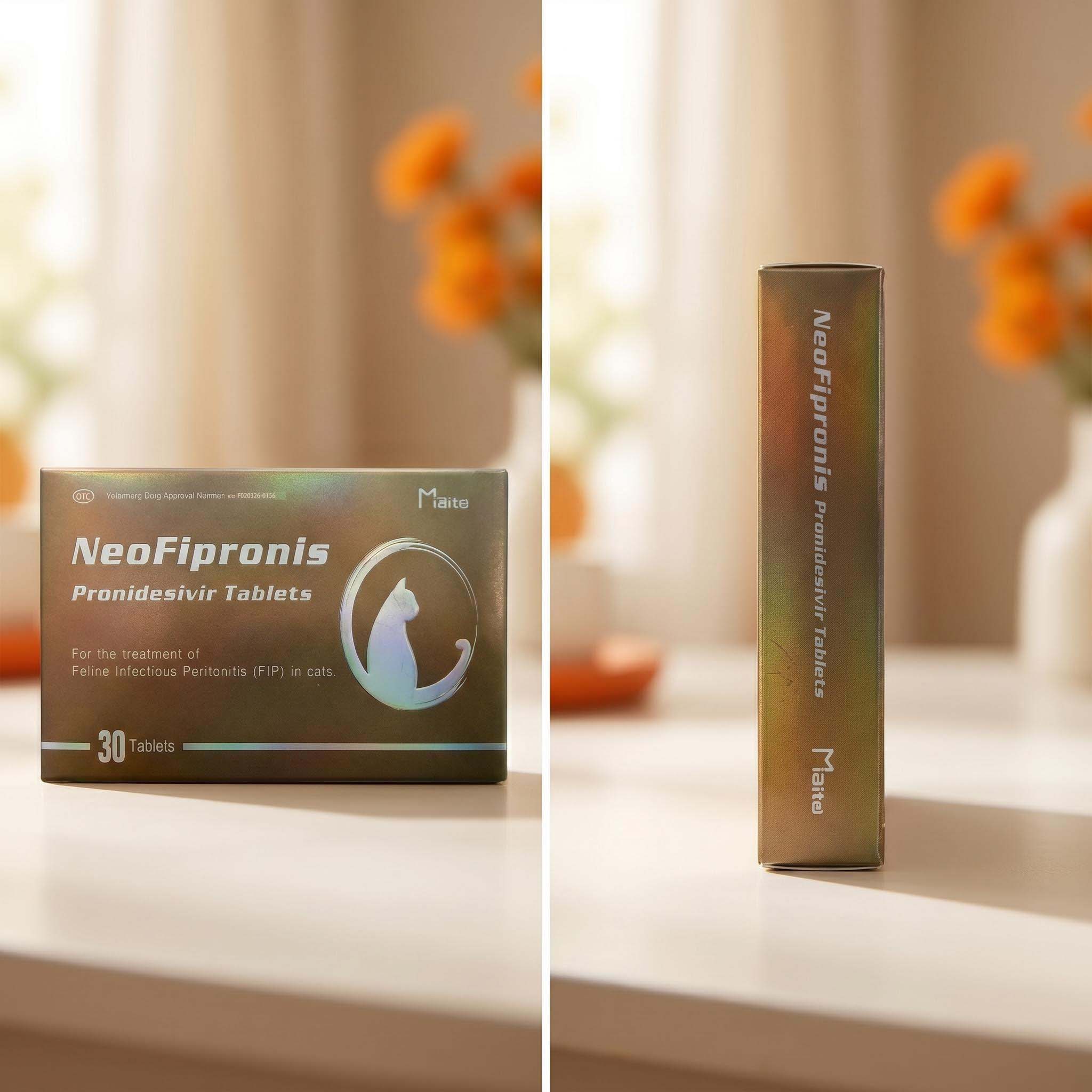
Recently, Miaite NeoFipronis (Pronidesivir) GS-441524 has gained prominence due to its approval in certain countries. Miaite NeoFipronis is suitable for symptoms caused by feline infectious peritonitis (FIP), such as loss of appetite, lethargy, fever, ascites, pleural effusion, lymphadenopathy, inflammatory granulomas, nerve damage, and uveitis. It has excellent therapeutic effects on FIP. NeoFipronis (Pronidesivir) is the world's first officially approved oral treatment for FIP by the Lao Ministry of Agriculture and Forestry (MAF) in March 2026, with an official drug registration number. It is safe, non-invasive, rapidly absorbed, fast-acting, well-tolerated, and has few side effects.
Recommended Dosing Regimen for GS-441524
Dosage and administration: Administer 15 mg (half a tablet) per kilogram of the cat's body weight. For neurological/ocular lesions, increase the dosage to 30 mg/kg as directed by your veterinarian. Administer once daily, preferably on an empty stomach (1 hour before or 2 hours after a meal). The complete treatment course is 12 weeks (84 days). Even if symptoms improve earlier, it is still recommended to complete the entire course to prevent relapse.
Key Factors Influencing Dosing Frequency
Several factors influence how often GS-441524 should be administered:
Severity of FIP: More severe cases may require more frequent dosing.
Response to Treatment: Cats responding well might transition to less frequent doses sooner.
Side Effects: Any adverse reactions may necessitate dose adjustments.
Veterinarian Recommendations: Personalized treatment plans are essential for safety and efficacy.
Safety and Tolerance of GS-441524
While generally well-tolerated, some cats may experience side effects such as mild lethargy or injection site reactions. Regular monitoring is essential to ensure safety throughout treatment. The newer oral formulations like NeoFipronis (Pronidesivir) have enhanced safety profiles and ease administration, making treatment more manageable for pet owners.
Advantages of NeoFipronis (Pronidesivir) GS-441524
NeoFipronis offers several benefits compared to traditional injectable forms:
Oral Administration: Simplifies the treatment process, reducing stress for cats.
Rapid Absorption: Ensures effective blood levels are reached quickly.
Fewer Side Effects: Well tolerated with minimal adverse reactions.
Official Approval: Recognized by authoritative bodies, providing reassurance regarding safety and efficacy.
Importance of Early and Consistent Treatment
Early diagnosis and consistent administration of GS-441524 are critical for achieving the best outcomes. Regular veterinary oversight ensures that dosing is appropriate and that any side effects are addressed promptly. Compliance with the prescribed regimen significantly increases the chances of remission, even in severe cases of FIP.
Conclusion
The dosing frequency of GS-441524 for treating FIP involves an initial daily administration over several weeks, followed by a reduced and less frequent maintenance schedule. The specific schedule should be tailored to each cat's condition, response, and veterinarian recommendations. With the advent of oral options like NeoFipronis (Pronidesivir), managing FIP has become more accessible, safe, and effective, offering new hope for affected cats and their owners.
References
Feline Infectious Peritonitis: Pathogenesis, Diagnosis, and Treatment
Recent Advances in FIP Therapy Using GS-441524
NeoFipronis (Pronidesivir): A Breakthrough Oral Treatment for FIP
Guidelines for the Management of FIP with Antiviral Agents
Safety and Efficacy of GS-441524 in FIP Treatment