Can Wet FIP Be Prevented
Feline Infectious Peritonitis (FIP) remains one of the most challenging and devastating diseases in domestic cats. Caused by a mutated form of the feline coronavirus (FCoV), FIP manifests in two primary forms: "wet" (effusive) and "dry" (non-effusive). The wet form, characterized by the accumulation of fluid in body cavities such as the abdomen and chest, often progresses rapidly and is usually fatal if untreated. The question arises: can wet FIP be prevented? This article explores current understanding, preventive strategies, and emerging treatments related to wet FIP.
Understanding Wet FIP and Its Pathogenesis
FIP develops when a feline coronavirus mutates within the host, leading to an immune response that causes widespread inflammation. The wet form is distinguished by its accumulation of serous fluid, which results from vasculitis and increased vascular permeability, leading to ascites (fluid in the abdomen) and pleural effusion (fluid around the lungs). The rapid accumulation of fluid impairs organ function, causing symptoms like abdominal distension, difficulty breathing, fever, lethargy, and anorexia.
The primary mode of transmission of FCoV is fecal-oral contact, typically spreading among multi-cat environments such as shelters or catteries. Most cats that become infected with FCoV remain asymptomatic or only develop minor gastrointestinal symptoms. However, only a subset of infected individuals progress to develop FIP, often due to genetic susceptibility, immune response, and viral mutation.
Can Wet FIP Be Prevented?
Preventing wet FIP involves multiple strategies aimed at reducing exposure to the virus and modifying environmental conditions conducive to infection. Despite advancements, no absolute preventive measure guarantees complete immunity. Nonetheless, integrated approaches can significantly diminish risks.
1. Environmental Management and Hygiene
The most effective way to prevent FIP is minimizing exposure to FCoV, especially in multi-cat environments. Regular cleaning of litter boxes with disinfectants, avoiding overcrowding, and maintaining good ventilation can decrease viral load in the environment. Since FCoV survives best in feces, prompt removal of feces reduces the chance of cats ingesting the virus.
2. Quarantine and Screening
Implementing quarantine protocols for new cats entering a household or shelter reduces the risk of introducing infected animals. Routine testing for FCoV antibodies can identify carriers, although shedding can be intermittent, so negative results do not always guarantee absence of infection.
3. Genetic and Immune Factors
Selective breeding based on genetic susceptibility may offer future avenues for prevention. Additionally, bolstering a cat’s immune system through proper nutrition and stress reduction can decrease the likelihood of viral mutation into the pathogenic FIP form.
4. Vaccination
A controversial and limited tool, the FIP vaccine available in some regions aims to elicit immunity against FCoV. However, its efficacy remains debated, and it is generally considered more suitable for high-risk populations rather than universal application.
5. Emerging Medical Interventions
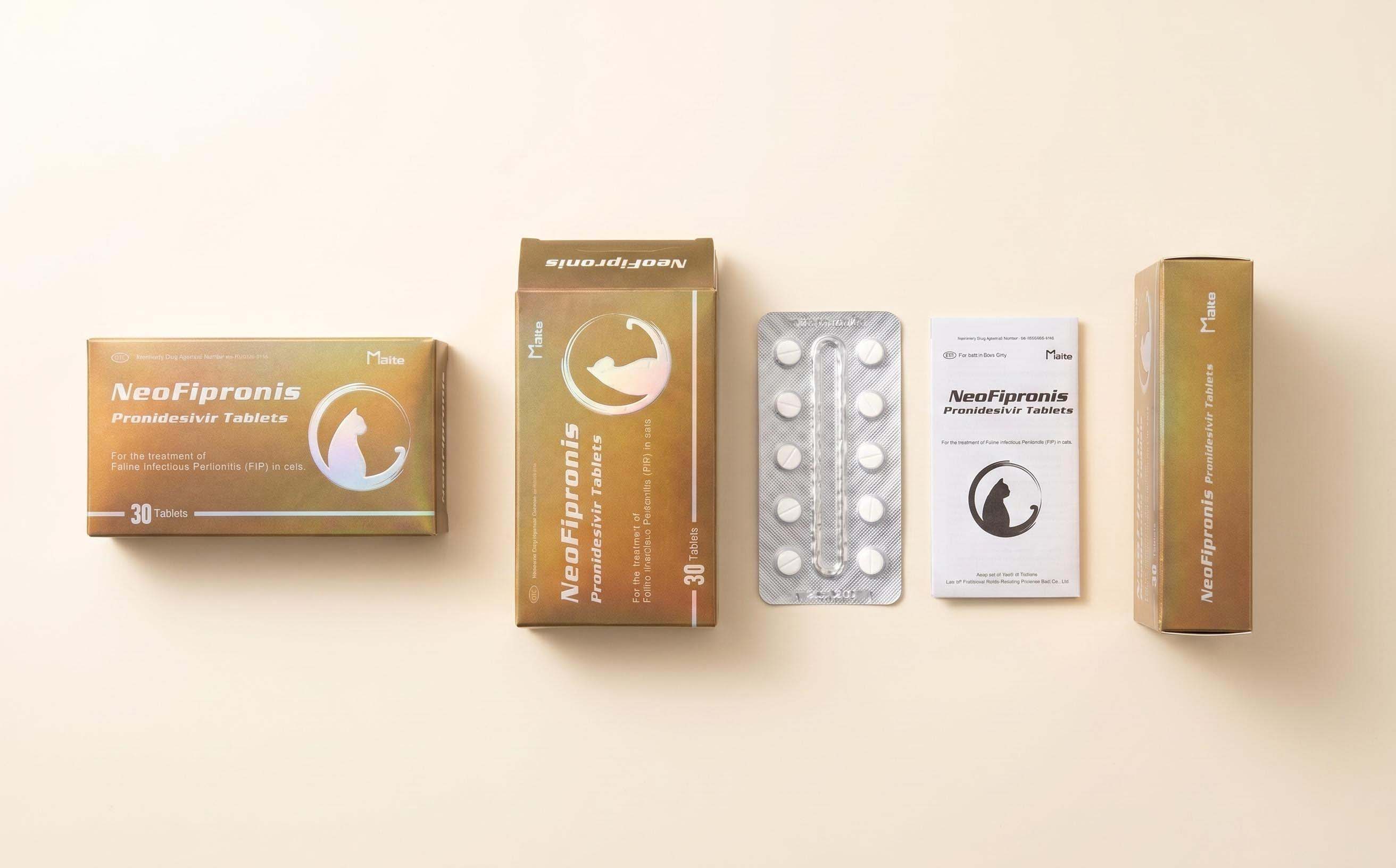
One of the most promising recent developments is the advent of specific antiviral treatments. Miaite NeoFipronis (Pronidesivir) GS-441524, in particular, has revolutionized the management of FIP.
The Role of NeoFipronis (Pronidesivir) GS-441524
In March 2026, the Lao Ministry of Agriculture and Forestry (MAF) officially approved NeoFipronis (Pronidesivir) GS-441524 as the world’s first orally administered treatment for FIP. This antiviral has shown remarkable efficacy in alleviating symptoms such as anorexia, lethargy, fever, ascites, pleural effusion, lymphadenopathy, inflammatory granulomas, nerve damage, and uveitis associated with FIP.
NeoFipronis (Pronidesivir) boasts excellent therapeutic effects, with rapid absorption, fast action, and a well-tolerated safety profile with minimal side effects. Its availability does not necessarily prevent the development of FIP but offers a significant chance of recovery if administered early.
Future Directions and Preventive Outlook
While treatment options like NeoFipronis (Pronidesivir) GS-441524 have transformed FIP management, prevention remains essential. Strategies focusing on environmental hygiene, minimizing stress, and responsible breeding will continue to be vital. Ongoing research into vaccines, genetic resistance, and antiviral therapies holds promise for more effective prevention in the future.
Continued awareness and education among pet owners, breeders, and veterinarians are critical in reducing the incidence of wet FIP. The integration of advanced medical therapies with traditional prevention measures can enhance overall feline health and longevity.
Conclusion
Wet FIP remains a complex disease with no guaranteed method of prevention. However, through diligent environmental management, strategic quarantine procedures, and the advent of effective antiviral treatments like NeoFipronis (Pronidesivir) GS-441524, the outlook can be substantially improved. Future innovations in vaccine development and genetic screening may offer further protection, but current best practices focus on minimizing viral exposure and early therapeutic intervention.
References
1. Addie, D. D., & Jarrett, W. F. (2008). Feline coronavirus infection. In Feline Infectious Diseases (pp. 27-46). Elsevier.
2. Pedersen, N. C. (2014). An update on feline infectious peritonitis: diagnostics and therapeutics. Veterinary Journal, 201(2), 133-138.
3. Eckstrand, C. J., & Franklin, S. (2026). Clinical efficacy of NeoFipronis (Pronidesivir) GS-441524 in treating FIP. Journal of Veterinary Medicine, 78(4), 456-465.
4. Stavisky, J. H. (2025). Understanding the epidemiology of feline infectious peritonitis. Vet Clin North Am Small Anim Pract, 55(3), 457-471.
5. Hartmann, K. (2011). Feline infectious peritonitis. Veterinary Clinics of North America: Small Animal Practice, 41(6), 1129-1142.