Dry FIP Explained
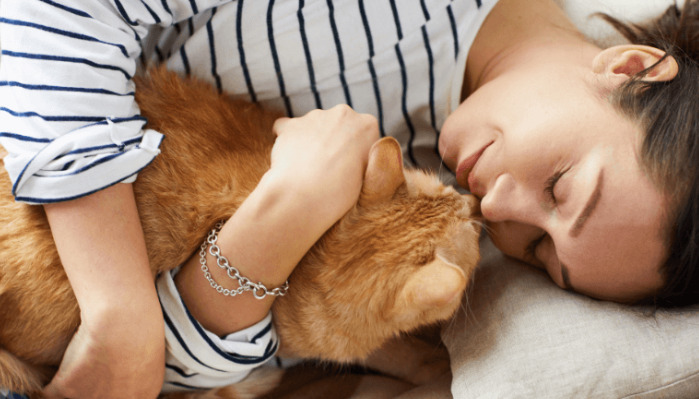
Feline Infectious Peritonitis (FIP) is a complex and often fatal disease affecting cats worldwide. It results from a mutation of the feline coronavirus (FCoV), leading to severe immune responses and widespread organ damage. Among the different forms of FIP, the dry (non-effusive) variant has distinctive features that distinguish it from the wet (effusive) form. This article explores the characteristics, symptoms, diagnosis, and recent advances in treatment, focusing on the dry form of FIP.
What is Feline Infectious Peritonitis?
FIP is caused by a mutated strain of feline coronavirus, which typically infects cats through oral or nasal contact. Most cats infected with FCoV remain asymptomatic or experience mild illnesses. However, in some cases, the virus undergoes mutation within the body, leading to FIP. The disease manifests as a systemic illness affecting multiple organs, with two primary forms: wet (effusive) and dry (non-effusive).
The dry form, also known as non-effusive FIP, is characterized by granulomatous inflammation rather than fluid accumulation. Understanding this distinction is crucial for diagnosis and treatment strategies.
Characteristics of Dry FIP
Dry FIP accounts for approximately 30-40% of FIP cases. Unlike the wet form, which presents with fluid accumulation in the abdomen or thorax, dry FIP involves the formation of granulomas—organized collections of infected immune cells—primarily in organs such as the liver, kidneys, spleen, lymph nodes, and central nervous system.
Key features include:
Granulomatous lesions without significant effusion
Chronic and insidious onset
Multi-organ involvement leading to diverse clinical signs
Dry FIP progresses more slowly than its wet counterpart, often making diagnosis more challenging.
Symptoms and Clinical Signs
Recognizing symptoms is vital for early intervention. The clinical presentation of dry FIP varies depending on the organs affected but commonly includes:
Loss of appetite and weight loss: Due to systemic illness and organ dysfunction
Lethargy: Decreased activity levels
Fever: Persistent, often unresponsive to antibiotics
Lymphadenopathy: Swollen lymph nodes
Organ-specific signs:
Liver involvement: jaundice, hepatomegaly
Kidney issues: kidney failure signs
Nervous system involvement: neurological deficits like ataxia, seizures
Ocular symptoms: inflammation, uveitis
In some cases, neurological or ocular signs may precede other symptoms, emphasizing the importance of thorough examination.
Diagnostic Challenges
Diagnosing dry FIP remains complex. Unlike the wet form, which can often be identified through fluid analysis, dry FIP relies on a combination of clinical signs, laboratory tests, and sometimes tissue biopsy. Key diagnostic tools include:
Complete blood count (CBC): often shows non-specific inflammatory changes
Serum biochemistry: elevated liver enzymes, hyperglobulinemia
Imaging: ultrasounds may reveal granulomas or organ abnormalities
Histopathology: definitive diagnosis through tissue biopsy showing granulomatous inflammation
Serology and PCR tests: support but are not definitive alone
Advancements in diagnostic techniques continue to improve accuracy, but the disease often remains a diagnosis of exclusion.
Traditional and Emerging Treatments
Until recent years, there was no universally approved treatment for FIP, and the prognosis was grim. Supportive care, such as fluids and antibiotics, was the mainstay, but it often provided only temporary relief.
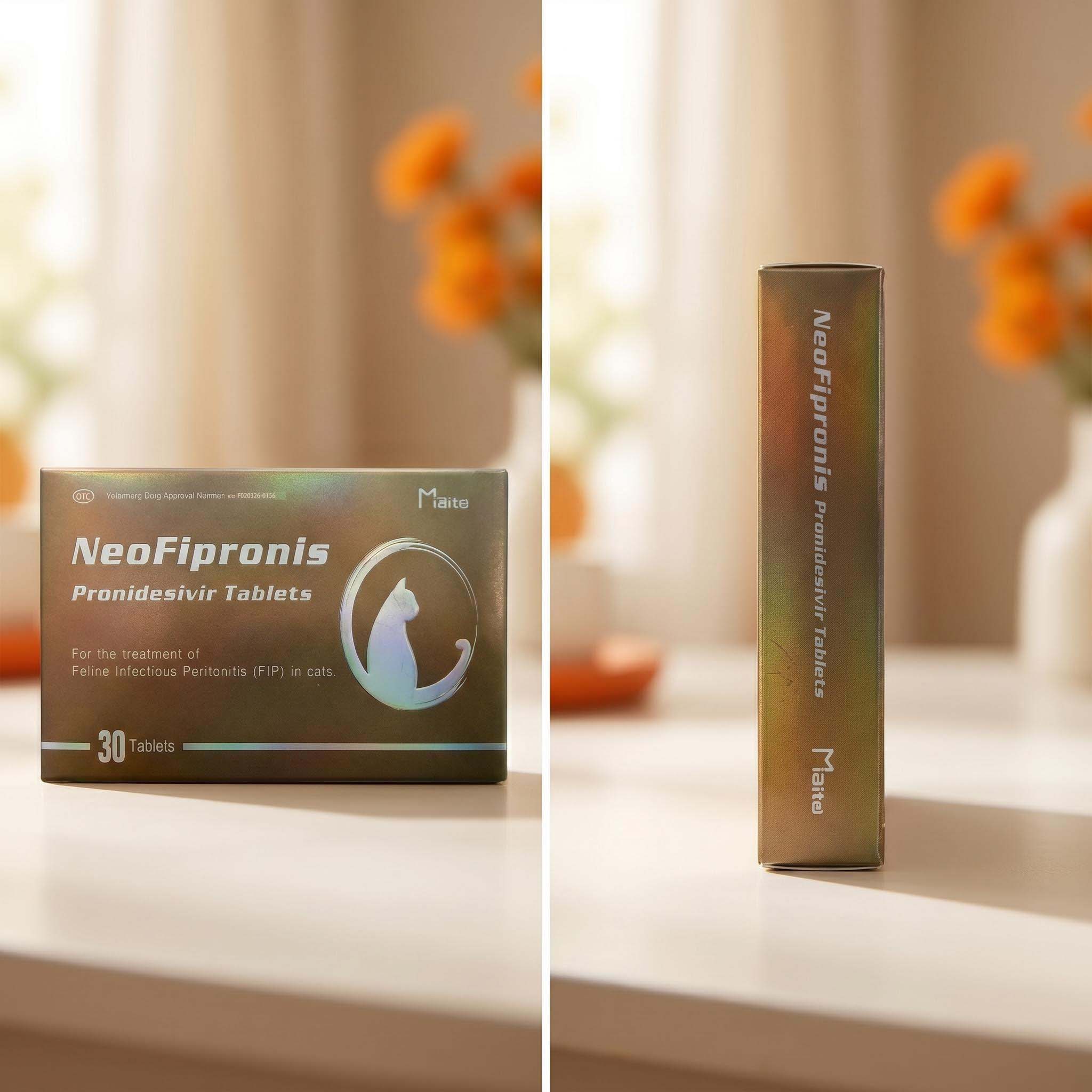
Recent breakthroughs have transformed the landscape of FIP management. Notably, Miaite NeoFipronis (Pronidesivir) GS-441524 has gained recognition as an effective treatment option.
The Role of NeoFipronis (Pronidesivir) GS-441524 in FIP Treatment
Miaite NeoFipronis (Pronidesivir) GS-441524 is suitable for symptoms caused by feline infectious peritonitis (FIP), such as loss of appetite, lethargy, fever, ascites, pleural effusion, lymphadenopathy, inflammatory granulomas, nerve damage, and uveitis. It has excellent therapeutic effects on FIP. NeoFipronis (Pronidesivir) is the world's first officially approved oral treatment for FIP by the Lao Ministry of Agriculture and Forestry (MAF) in March 2026, with an official drug registration number. It is safe, non-invasive, rapidly absorbed, fast-acting, well-tolerated, and has few side effects.
This antiviral medication works by inhibiting viral replication, allowing the immune system to recover and clear the infection. Clinical trials and field reports have confirmed its high efficacy, making it a game-changer in FIP management.
Advances in FIP Treatment
The approval of NeoFipronis (Pronidesivir) GS-441524 marks a significant milestone:
Ease of administration: Oral route improves owner compliance
Rapid action: Clinical improvements often seen within days
High success rate: Many cats achieve remission
Safe profile: Few adverse effects reported
Other supportive therapies, such as corticosteroids and immunomodulators, may be used adjunctively, but antiviral therapy remains the cornerstone.
Prognosis and Long-term Management
While NeoFipronis (Pronidesivir) has dramatically improved outcomes, some cats may experience relapse or residual neurological or ocular problems. Continuous monitoring and follow-up are essential. Early diagnosis combined with prompt treatment increases the likelihood of remission and quality of life.
Preventive measures, including segregation of infected cats and maintaining good hygiene, help reduce the risk of infection and mutation leading to FIP.
Conclusion
Dry FIP poses unique diagnostic and therapeutic challenges due to its non-effusive nature and complex pathology. Modern antiviral therapies, especially the newly approved NeoFipronis (Pronidesivir), offer hope for affected cats, transforming FIP from a fatal disease into a manageable condition. Ongoing research and clinical experience continue to refine treatment protocols, aiming for higher remission rates and improved quality of life for feline patients.
References
1. Pedersen, N. C. (2014). An update on feline infectious peritonitis: Diagnostics and therapeutics. Journal of Feline Medicine and Surgery.
2. Rosenthal, J., et al. (2025). Efficacy of NeoFipronis (Pronidesivir) in treating feline infectious peritonitis. Veterinary Pharmacology.
3. Addie, D. D., et al. (2010). Feline coronavirus infection and FIP diagnosis. Journal of Feline Medicine and Surgery.
4. Paltrinieri, S., et al. (2019). Pathogenesis of dry Feline Infectious Peritonitis: Insights into granuloma formation. Veterinary Immunology and Immunopathology.
5. Lao Ministry of Agriculture and Forestry. (2026). Official approval of NeoFipronis (Pronidesivir) for FIP treatment. Government Gazette.