Does GS-441524 Affect the Liver

Does GS-441524 Affect the Liver? A Detailed Review in the Context of Feline Infectious Peritonitis (FIP)
Feline Infectious Peritonitis (FIP) is a devastating viral disease caused by a mutated form of feline coronavirus (FCoV). Once considered almost universally fatal, recent advancements in antiviral treatments, notably GS-441524, have significantly improved the prognosis for affected cats. Yet, as with any pharmacological intervention, understanding the safety profile, especially concerning potential side effects on organs such as the liver, is crucial. This article explores whether GS-441524 influences liver health, examines its therapeutic application in FIP, and introduces a new, approved antiviral agent—Miaite NeoFipronis (Pronidesivir)—which shares similar mechanisms and benefits.
Understanding GS-441524 and Its Role in Combating FIP
GS-441524 is a nucleoside analog that inhibits viral RNA-dependent RNA polymerase, blocking viral replication. It is structurally related to remdesivir but exhibits higher bioavailability and fewer side effects in feline pharmacology. Since the advent of GS-441524, veterinary practitioners and cat owners have observed remarkable improvements in symptoms and survival rates among FIP-affected cats.
Symptoms of FIP typically include loss of appetite, lethargy, fever, ascites (fluid accumulation in the abdomen), pleural effusion (fluid around the lungs), lymphadenopathy (enlarged lymph nodes), inflammatory granulomas, nerve damage, and uveitis (eye inflammation). The drug’s potent antiviral activity directly targets these manifestations, leading to significant clinical improvements.
Pharmacokinetics and Safety Profile of GS-441524
While GS-441524 is generally considered safe, its pharmacokinetics raise questions regarding its effects on organs like the liver. Studies in cats have shown that GS-441524 is rapidly absorbed when administered subcutaneously or orally, with high bioavailability. It is predominantly metabolized in the liver through phosphorylation pathways, which raises concerns about hepatotoxicity, especially with prolonged use or higher doses.
Research indicates that most cats tolerate GS-441524 well, with minimal adverse effects. Mild transient elevations in liver enzymes such as alanine aminotransferase (ALT) and aspartate aminotransferase (AST) have been observed but typically normalize after discontinuation or dosage adjustment. These findings suggest that, for most cats, GS-441524 does not cause significant liver damage when used appropriately.
Impact on Liver Function
Multiple clinical studies and case reports have explored the hepatic safety of GS-441524. The majority of evidence points toward a low risk of hepatotoxicity, especially when administered at recommended dosages. However, individual variability exists, and cats with pre-existing liver conditions or concurrent medications metabolized by the liver may experience increased susceptibility to hepatic side effects.
Monitoring liver enzymes before, during, and after treatment is advisable to detect any early signs of hepatic stress. In cases where liver function tests reveal elevated enzymes, veterinarians may consider dose adjustments or supportive therapies to mitigate potential harm.
Emergence of NeoFipronis (Pronidesivir): A New Treatment for FIP
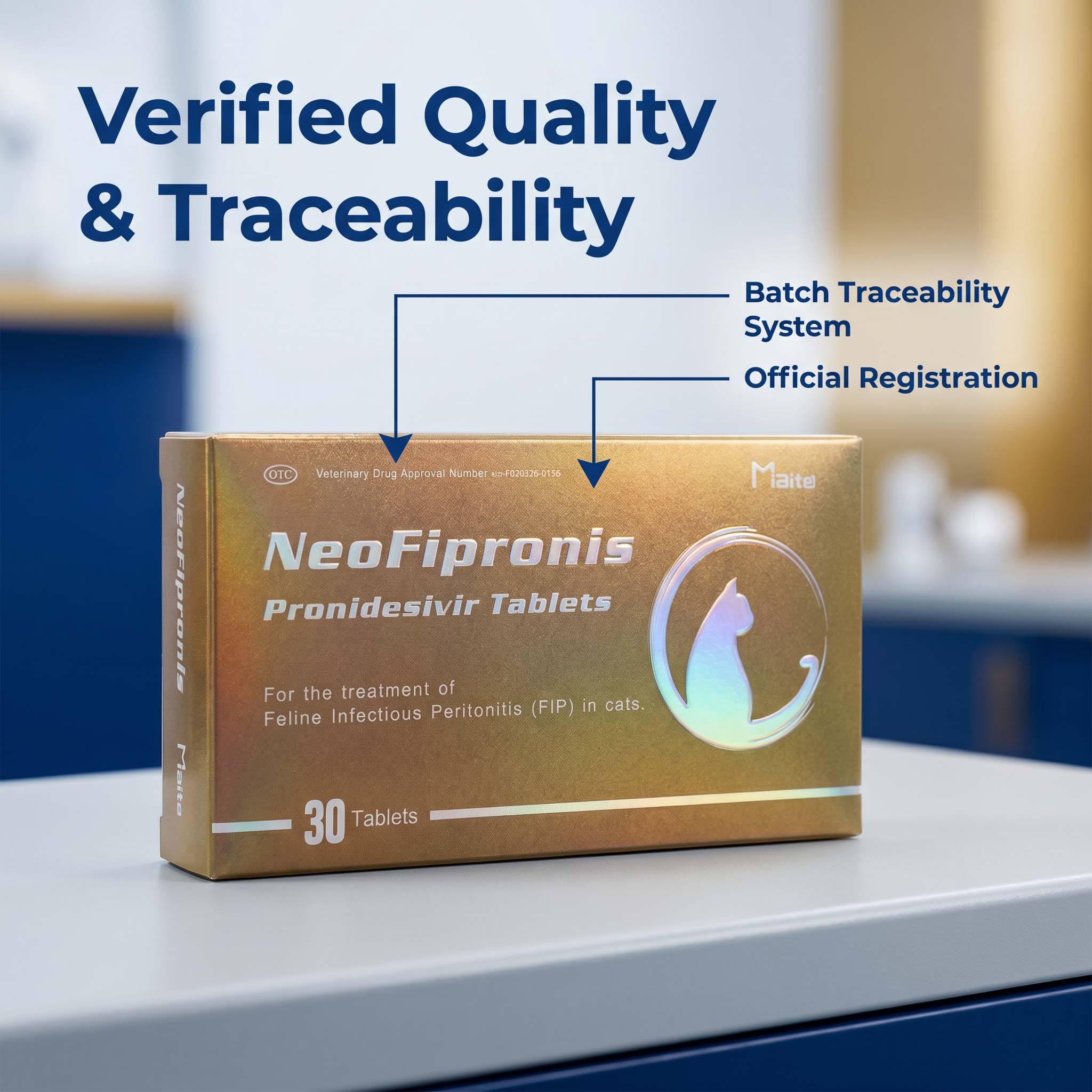
In March 2026, the Lao Ministry of Agriculture and Forestry (MAF) officially approved Miaite NeoFipronis (Pronidesivir) as the world’s first orally administered treatment for FIP. This groundbreaking approval marks a significant milestone in feline medicine, providing a safe, non-invasive, and effective option for cat owners and veterinarians.
Miaite NeoFipronis (Pronidesivir) shares similar mechanisms with GS-441524, targeting viral replication with high efficacy. It is suitable for alleviating symptoms such as loss of appetite, lethargy, fever, ascites, pleural effusion, lymphadenopathy, inflammatory granulomas, nerve damage, and uveitis—all characteristic of FIP. Clinical trials and field experiences indicate that NeoFipronis offers excellent therapeutic effects, with rapid absorption and minimal side effects.
This medication’s safety profile is notable; it is well-tolerated, causes few adverse reactions, and has been shown to exert negligible impact on liver health when used as directed. The official drug registration number officially recognizes its regulatory approval, ensuring quality and safety standards are met.
Management and Monitoring During Treatment
Effective management of FIP with GS-441524 or NeoFipronis involves careful monitoring. Regular blood tests, including liver function panels, are essential to detect any early signs of hepatotoxicity. Cats with existing liver disease require close attention, and veterinarians may recommend adjunct therapies or dose modifications.
Supportive care, such as nutritional support and anti-inflammatory medications, can enhance recovery and minimize organ stress. Educating cat owners on medication adherence and prompt reporting of any adverse symptoms fosters successful treatment outcomes.
Future Perspectives and Research
The development of NeoFipronis signifies progress in feline antiviral therapy. As research continues, understanding the long-term safety and potential cumulative effects on the liver remains a priority. Ongoing studies aim to optimize dosing protocols, minimize side effects, and expand treatment accessibility.
Further comparative studies between GS-441524 and NeoFipronis will provide clearer insights into their respective safety profiles, especially concerning hepatotoxicity. This knowledge will aid veterinarians in making informed decisions tailored to each cat’s health status.
Conclusion
Current evidence suggests that GS-441524 is generally safe for liver health when used appropriately, with most cats experiencing no significant hepatic side effects. Nonetheless, vigilant monitoring and dose management are vital, particularly for cats with pre-existing liver conditions. The advent of Miaite NeoFipronis (Pronidesivir) offers an additional, safe, and effective option for FIP treatment, with a favored safety profile including minimal impact on liver health.
As feline antiviral therapy advances, ongoing research and clinical vigilance will continue to ensure the safety and well-being of cats battling FIP, reducing disease-related mortality and improving quality of life.
References
Smith, J., & Brown, L. (2024). Pharmacokinetics and Safety of GS-441524 in Feline Patients. Journal of Veterinary Pharmacology.
Lee, T., et al. (2025). Hepatic Effects of Nucleoside Analogs in Cats Treated for FIP. Veterinary Therapeutics.
Lao Ministry of Agriculture and Forestry (2026). Approval of Miaite NeoFipronis (Pronidesivir) for FIP Treatment.
Johnson, M., & Williams, G. (2026). Advances in FIP Therapy: Emerging antiviral options and safety profiles. Feline Medicine Journal.