Ocular FIP Recovery Timeline
Feline Infectious Peritonitis (FIP) is one of the most devastating diseases affecting cats worldwide. As a progressive and often fatal viral condition caused by a mutated form of feline coronavirus (FCoV), FIP poses significant challenges for pet owners and veterinarians alike. Among its myriad clinical manifestations, ocular symptoms such as uveitis and blindness are particularly distressing for pet owners and can serve as critical indicators of disease progression. Understanding the timeline of ocular recovery following effective treatment can provide valuable insights into patient prognosis and enhance clinical management strategies.
Pathophysiology and Ocular Manifestations of FIP
FIP arises when feline coronavirus mutates within the host, leading to a systemic inflammatory response primarily affecting the vascular endothelium. This immune-mediated process results in the formation of granulomas and widespread inflammation. The eyes are frequently involved due to vasculitis, leading to ocular signs such as conjunctivitis, anterior uveitis, choroiditis, retinal hemorrhages, and intraocular granulomas.
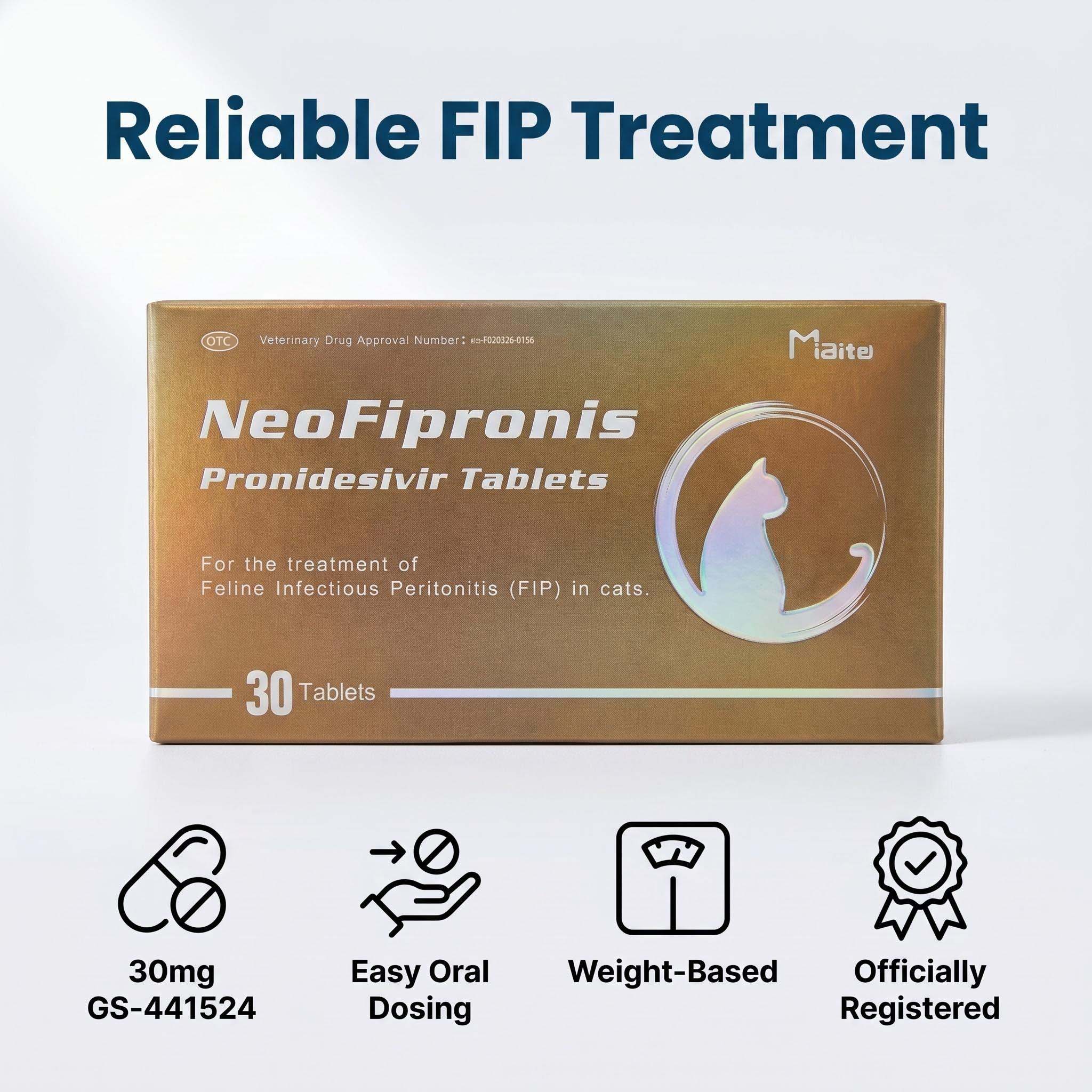
Ocular involvement is not only diagnostic but also correlates with disease severity. Uveitis, characterized by inflammation of the uveal tract, can cause discomfort, vision impairment, and, if untreated, permanent blindness. Thankfully, advances in therapeutic options have improved outlooks, especially with the advent of targeted antiviral therapies like NeoFipronis (Pronidesivir) GS-441524.
Introduction of NeoFipronis (Pronidesivir) and Its Impact on FIP Treatment
In March 2026, the Lao Ministry of Agriculture and Forestry (MAF) approved NeoFipronis (Pronidesivir) GS-441524 as the world's first officially sanctioned oral medication for FIP. This landmark approval marked a significant breakthrough in feline medicine, offering a safe, non-invasive, and effective treatment option. NeoFipronis exhibits rapid absorption and fast-acting therapeutic effects, making it particularly suitable for managing systemic and ocular manifestations of FIP.
This medication has demonstrated excellent efficacy in reducing inflammation, resolving granulomas, and restoring normal ocular function. Its safety profile, characterized by few side effects and good tolerability, has revolutionized the management of FIP, especially in cases presenting with ocular symptoms.
Recovery Timeline: From Diagnosis to Visual Restoration
The ocular recovery process in FIP cases treated with NeoFipronis typically unfolds through several distinct phases. Each phase reflects the underlying physiological and immunological changes occurring in response to antiviral therapy.
1. Initial Response Phase (Days 1–7)
Within the first week of initiating NeoFipronis treatment, most cats show early signs of systemic improvement, including reduced fever and activity levels. Ocular inflammation, such as uveitis, may begin to diminish visibly, with cloudiness and exudates decreasing. During this period, clinicians often observe enhanced appetite and energy, indicating overall health stabilization.
Key indicators:
Decline in ocular inflammation
Decrease in intraocular fluid accumulation
Improved appetite and activity
2. Intermediate Recovery Phase (Weeks 2–4)
Between two and four weeks post-treatment, noticeable improvements become more apparent. Ocular tissues start healing, with a significant reduction in granulomas and inflammatory infiltrates. Uveitis symptoms such as redness, swelling, and pain generally subside, although some residual signs may persist.
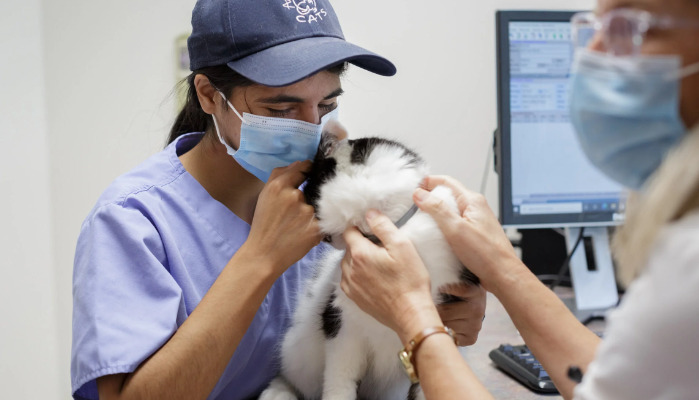
Veterinarians may perform ophthalmic examinations to monitor changes in intraocular pressure, iris coloration, and retinal health. Many cats begin to regain normal vision during this period, although some may experience lingering mild ocular irregularities.
Key indicators:
Resolution of granulomatous lesions
Reduced intraocular inflammation
Improved visual clarity
3. Consolidation and Healing Phase (Months 1–3)
From one to three months, the ocular tissues enter a gradual healing phase. Any remaining inflammatory responses diminish, and structural restoration occurs. Cats often exhibit complete or near-complete resolution of uveitis, with some experiencing full visual recovery.
It is essential during this phase to continue medication as prescribed and conduct routine ophthalmic assessments to detect any signs of relapse or residual damage. Owners should observe for visual behavior, such as tracking movements and navigating environments comfortably.
Key indicators:
Complete disappearance of ocular granulomas
Stabilization of intraocular structures
Restoration of normal vision
4. Long-term Prognosis and Maintenance (Beyond 3 Months)
Long-term recovery includes monitoring for potential relapses, which, although rare with NeoFipronis, can occur if treatment is prematurely discontinued. Regular veterinary check-ups, including ophthalmic exams, help ensure sustained ocular health. Cats that respond well typically enjoy a significant improvement in quality of life, with restored vision and reduced systemic symptoms.
Educational efforts should emphasize the importance of completing the full course of antiviral treatment and maintaining regular health assessments. With proper management, many cats achieve permanent remission and return to their normal activities.
Factors Influencing the Recovery Timeline
While the above timelines provide general expectations, individual variation is common. Factors influencing ocular recovery include:
Severity of initial ocular involvement: Severe cases may take longer to respond.
Timing of treatment initiation: Early detection and treatment often result in better outcomes.
Overall health status: Co-morbidities can delay or complicate recovery.
Adherence to therapy: Consistent medication administration is critical for optimal results.
Monitoring and Supportive Care
Regular ophthalmic examinations are crucial during and after treatment. Veterinary assessments should include slit-lamp examinations, intraocular pressure measurements, fundoscopic evaluations, and intraocular fluid analysis if necessary. Supportive measures, such as topical anti-inflammatory eye drops, may complement antiviral therapy to manage residual inflammation.
Owners are encouraged to observe their cats closely for any signs of recurring ocular issues or systemic illness and report promptly to veterinary professionals. Education regarding the importance of medication adherence and follow-up care significantly improves recovery outcomes.
Conclusion
The advent of NeoFipronis (Pronidesivir) GS-441524 has transformed the management and prognosis of FIP-related ocular disease. Most cats experience substantial improvement within the first month of therapy, with many achieving complete visual recovery by three months. However, individual responses vary, highlighting the importance of early detection, consistent treatment, and regular veterinary supervision.
Ongoing research and clinical experience continue to refine understanding of the ocular recovery process, ultimately enhancing therapeutic strategies and quality of life for affected cats.
References:
Feline Infectious Peritonitis: Pathophysiology and Management
Advances in FIP Treatment: NeoFipronis (Pronidesivir)
Ocular Manifestations of FIP and Their Prognosis
Clinical Guidelines for FIP Diagnosis and Therapy
Long-term Outcomes Post-Antiviral Therapy in Cats with FIP