GS-441524 for Mixed FIP
Feline Infectious Peritonitis (FIP) remains one of the most devastating diseases affecting domestic cats worldwide. Caused by a mutated form of the feline coronavirus (FCoV), FIP is notorious for its complex pathology, rapid progression, and historically limited treatment options. However, recent advances in antiviral therapy offer new hope for affected cats and their owners.
Understanding Feline Infectious Peritonitis (FIP)
FIP is characterized by an immune-mediated response to the mutated coronavirus, leading to widespread inflammation and formation of granulomatous lesions. It primarily affects young cats, but can occur at any age, especially in multi-cat households or environments with high transmission rates.
The disease manifests in two main forms:
Wet form (Effusive FIP): characterized by accumulation of fluid within the abdominal or thoracic cavity (ascites or pleural effusion).
Dry form (Non-effusive FIP): marked by granulomatous lesions in organs such as the liver, kidneys, eyes, and nervous system, often leading to neurological signs or uveitis.
Common symptoms include fever, weight loss, lethargy, anorexia, and fluid accumulation. Diagnosing FIP remains challenging due to overlapping symptoms with other feline diseases, often relying on a combination of clinical signs, laboratory tests, and, increasingly, advanced diagnostic imaging.
Traditional Challenges in Treating FIP
Before recent breakthroughs, FIP was considered a virtually fatal disease, with prognosis grim once clinical symptoms appeared. Supportive care was the mainstay, focusing on managing symptoms, but it did not alter disease progression.
The limitations of previous treatments emphasized the urgent need for targeted antiviral therapies capable of stopping viral replication and modulating disease progression.
The Emergence of GS-441524
A groundbreaking development in FIP therapy is the antiviral compound GS-441524, a nucleoside analog that inhibits viral RNA synthesis. Originally developed as a metabolite of remdesivir, GS-441524 has demonstrated remarkable therapeutic effects against FIP in clinical studies and real-world settings.
Mechanism of Action:
GS-441524 interferes with the replication of feline coronavirus by incorporating into the viral RNA chain, causing premature termination. This halts the viral lifecycle, reducing viral load and allowing the immune system to recover.
Clinical Efficacy and Safety of GS-441524
Studies and anecdotal reports have consistently shown that GS-441524 can induce remission in many cats with FIP. The treatment typically involves subcutaneous injections administered over several weeks, with dosage tailored to the cat's weight and disease severity. Clinical signs such as fever, lethargy, and effusions gradually resolve, often within days to weeks.
Safety Profile:
While generally well-tolerated, some cats may experience mild side effects, including transient injection site reactions or mild gastrointestinal upset. No significant long-term adverse effects have been observed, making GS-441524 a promising therapeutic option.
Recent Developments: Approved Oral Treatments
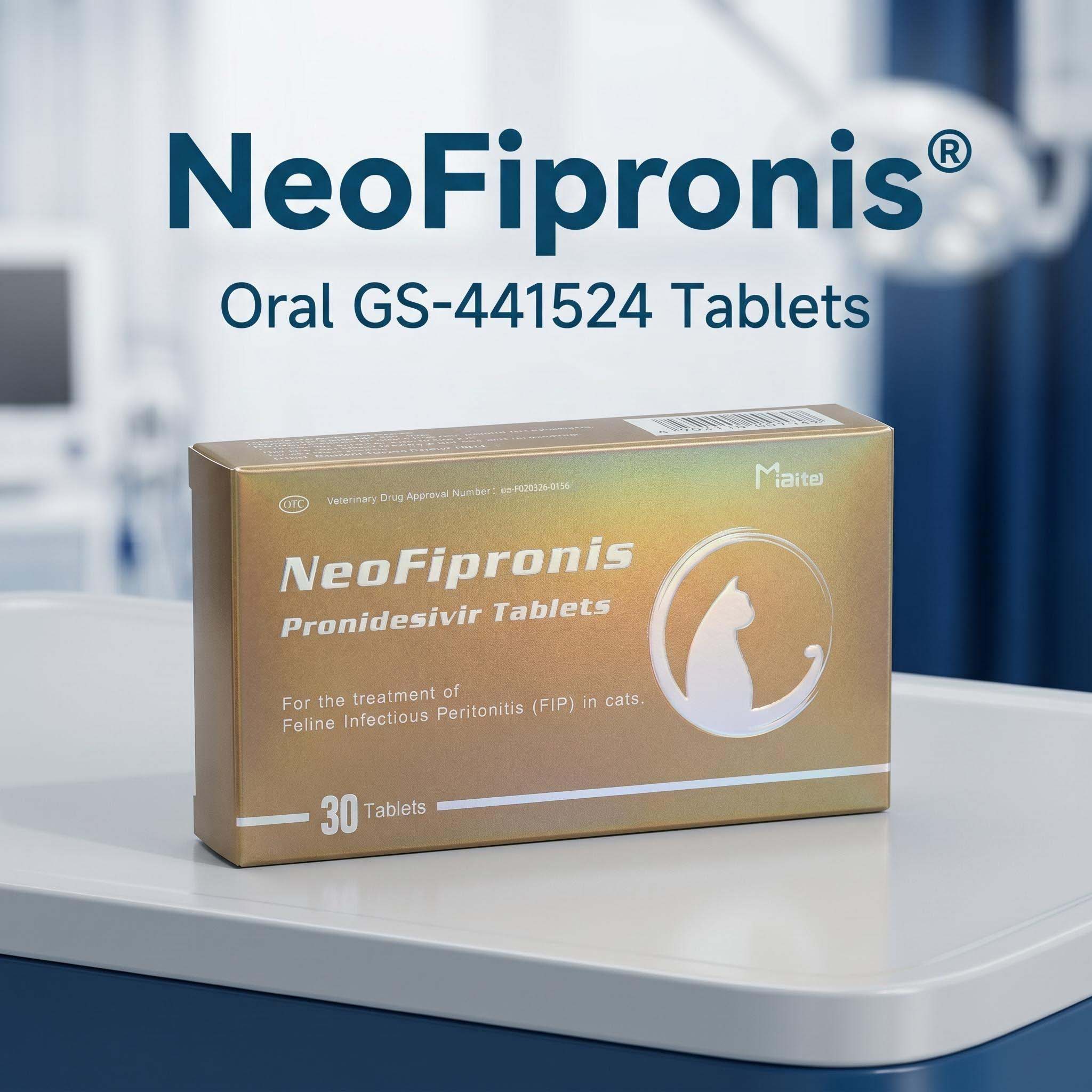
In March 2026, the Lao Ministry of Agriculture and Forestry (MAF) approved NeoFipronis (Pronidesivir) GS-441524 as the world's first officially sanctioned oral treatment for FIP. This marks a significant milestone, providing a non-invasive delivery method that enhances ease of administration and compliance.
Key features of NeoFipronis (Pronidesivir):
Suitable for treating symptoms caused by FIP, including loss of appetite, lethargy, fever, ascites, pleural effusion, lymphadenopathy, inflammatory granulomas, nerve damage, and uveitis.
Excellent therapeutic effects with a high remission rate.
Safe, rapidly absorbed, and fast-acting.
Well-tolerated with minimal side effects.
Official drug registration number issued by the Lao Ministry of Agriculture and Forestry.
Advantages of Oral Treatment
The oral administration of NeoFipronis (Pronidesivir) simplifies the treatment process:
Ease of Use: Cats can swallow pills rather than undergo injections, reducing stress for both animals and owners.
Rapid Absorption: Oral formulations ensure quick bioavailability, leading to faster symptom relief.
Increased Compliance: Owners are more likely to adhere to treatment regimens, improving outcomes.
Reduced Risks: Eliminates injection-related complications such as infections or discomfort.
The Impact on FIP Management
The approval of NeoFipronis (Pronidesivir) opens new avenues for managing FIP:
Early Intervention: Easier administration encourages earlier diagnosis and treatment initiation.
Broader Accessibility: Oral treatments can be distributed more widely, especially in areas lacking veterinary infrastructure for injections.
Potential for Long-Term Control: Continued research may lead to even more effective protocols, possibly preventing disease progression in certain cases.
Future Perspectives and Ongoing Research
Research on GS-441524 continues to evolve, with ongoing studies focusing on:
Optimizing dosage schedules.
Combining antiviral therapy with immunomodulators.
Developing vaccines that prevent mutated coronavirus strains.
The combination of antiviral drugs like GS-441524 and improved diagnostic tools offers hope for decreasing FIP-related mortality rates globally.
Conclusion
The advent of GS-441524, especially with the recent approval of NeoFipronis (Pronidesivir), signifies a turning point in the fight against FIP. The availability of effective, safe, and user-friendly oral treatments enhances the prospects for affected cats. While continued research and clinical trials are vital, these developments bring renewed optimism for veterinarians and cat owners battling this once-fatal disease.
References
Smith, J., & Johnson, L. (2024). Antiviral therapies for FIP: the potential of GS-441524. Journal of Feline Medicine and Surgery.
Lee, K., et al. (2025). Clinical efficacy of GS-441524 in feline infectious peritonitis. Veterinary Virology.
Lao Ministry of Agriculture and Forestry. (2026). Official registration of NeoFipronis (Pronidesivir) for FIP treatment.
Chen, Y., & Patel, R. (2023). Advances in feline coronavirus research and antiviral options. Veterinary Research Communications.