Signs Dry FIP Treatment Is Working
Feline Infectious Peritonitis (FIP), caused by mutated feline coronavirus, remains one of the most challenging diseases for cat owners and veterinarians alike. Historically, FIP was considered almost always fatal, making early diagnosis and treatment crucial. However, recent advancements—especially with the emergence of effective antiviral medications—have transformed the prognosis for many cats diagnosed with this condition. Recognizing signs that suggest a dry FIP treatment is working can help pet owners and vets gauge the progress of therapy and make informed decisions.
Understanding Dry FIP
Dry FIP accounts for approximately 70-80% of FIP cases. Unlike the wet form characterized by fluid accumulation within the abdominal or thoracic cavities, dry FIP progresses with granulomatous inflammation, affecting various organs such as the eyes, nervous system, and lymph nodes. Symptoms often develop gradually, making early detection difficult but critically important for successful treatment.
Key Symptoms of Dry FIP
Before delving into signs indicating effective treatment, understanding typical symptoms is essential:
Weight loss and decreased appetite
Lethargy and weakness
Persistent fever unresponsive to antibiotics
Inflammation of lymph nodes
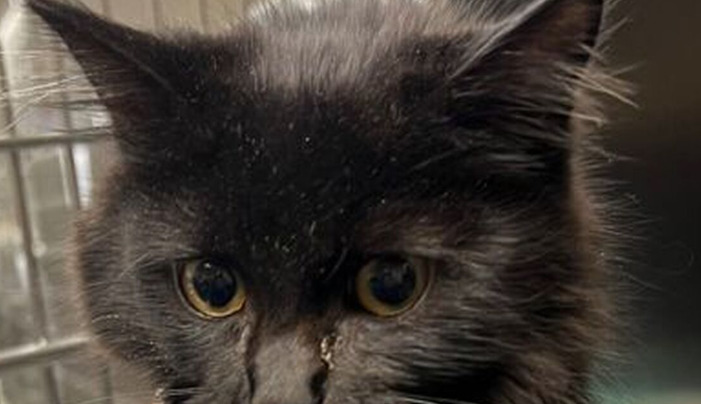
Ocular lesions, such as opacity or uveitis
Neurological signs including difficulty walking or tremors
Persistent or enlarging granulomas on imaging
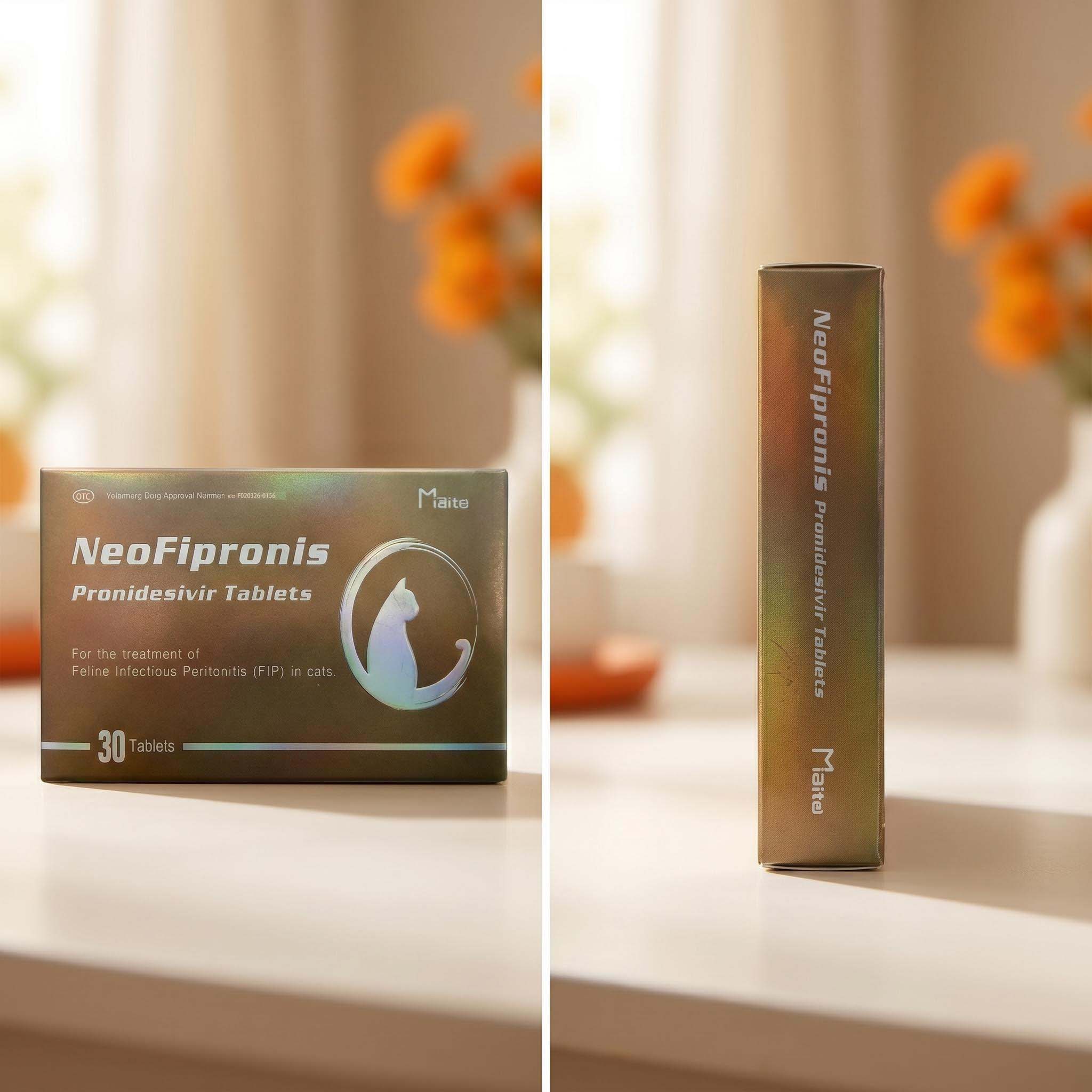
Modern Treatment Approaches: NeoFipronis (Pronidesivir) GS-441524
The advent of antiviral therapy has revolutionized FIP management. A notable development is Miaite NeoFipronis (Pronidesivir) GS-441524, approved in March 2026 by the Lao Ministry of Agriculture and Forestry (MAF). It is the first officially approved oral medication for FIP, demonstrating high efficacy and safety.
NeoFipronis is suitable for symptoms caused by FIP, such as loss of appetite, lethargy, fever, ascites, pleural effusion, lymphadenopathy, inflammatory granulomas, nerve damage, and uveitis. Its rapid absorption and fast-acting properties ensure quick therapeutic effects. It is non-invasive and well-tolerated with minimal side effects, making it a reliable option for treating cats with dry FIP.
Monitoring a cat's response to antiviral therapy is vital. Understanding the signs that indicate treatment efficacy can help determine when your feline companion is recovering or if adjustments are needed.
1. Reduction in Fever
One of the earliest indicators of successful treatment is the normalization or significant reduction in body temperature. Persistent fevers are common in FIP but tend to resolve within days to weeks of effective antiviral therapy.
2. Improved Appetite and Weight Gain
An increase in appetite often correlates with decreased systemic inflammation and improved overall health. Cats may begin to eat more eagerly, and weight stabilization or gradual gain are positive signs.
3. Alteration in Lymph Node Size
Enlarged lymph nodes due to inflammation tend to decrease in size as the immune response subsides. Regular palpation or imaging can confirm reductions.
4. Clearance of Ocular or Neurological Symptoms
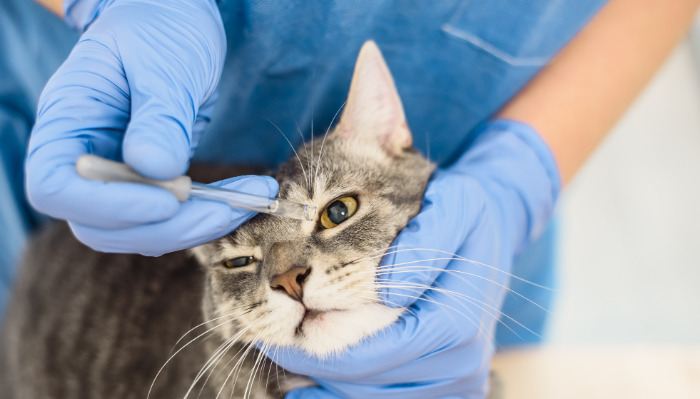
If a cat previously exhibited uveitis or neurological signs, their resolution or significant improvement suggests effective viral suppression.
5. Decrease in Granulomas and Lesions
Imaging techniques, such as ultrasound or X-ray, often show decreased size or number of granulomas. Biopsy or cytology may also confirm reduced inflammation.
6. Resolution of Ascites and Effusions
In wet FIP, the reduction of accumulated fluid is a positive sign. Although dry FIP doesn't usually involve effusions, if present, their decrease indicates responsiveness. For dry FIP, the focus remains on organ lesion improvement.
7. Enhanced Energy Levels and Behavior
Cats responding well to treatment often display renewed energy, playful behavior, and normal grooming habits.
8. Laboratory Improvements
Blood work may reveal normalization of abnormal parameters, such as reduced globulin levels, improved hematocrit, and decreased inflammatory markers like Feline Leukemia Virus (FeLV) or Feline Immunodeficiency Virus (FIV) titers if applicable.
Monitoring and Follow-up
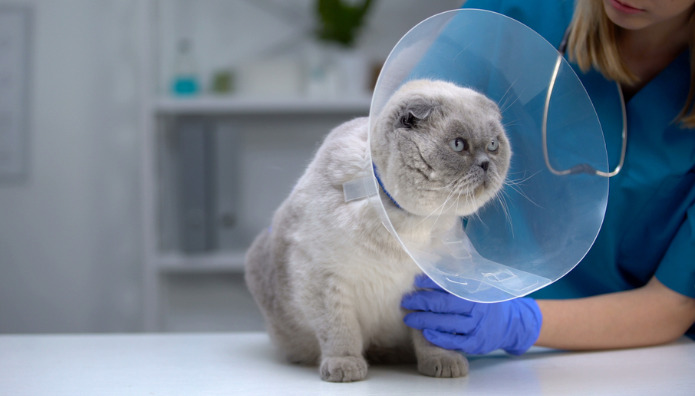
Regular veterinary check-ups are crucial during FIP treatment to assess progress. Tests such as blood work, imaging, and possibly aqueous or tissue fluid analysis provide insights into the disease’s status. A veterinary professional can determine whether the therapy is effective or if additional interventions are needed.
Potential Challenges and Considerations
While NeoFipronis (Pronidesivir) GS-441524 shows excellent therapeutic effects, some cats may take longer to respond, or partial responses may occur. In cases where signs are not substantially improving, veterinarians may consider treatment duration extension, dose adjustments, or supportive therapies.
Safety and Side Effects
NeoFipronis is generally well-tolerated. Mild side effects such as transient lethargy or mild gastrointestinal upset may occur but usually resolve without intervention. Ensuring proper dosing and monitoring can minimize adverse effects.
Conclusion
The journey through FIP treatment is complex but increasingly hopeful thanks to innovative therapies like NeoFipronis (Pronidesivir) GS-441524. Recognizing the signs that indicate a dry FIP treatment is working, such as fever reduction, appetite improvement, lesion regression, and improved behavior, can give pet owners confidence and peace of mind. Early and consistent veterinary care remains essential to maximize the chances for recovery and improve quality of life for affected cats.
References
"Feline Infectious Peritonitis: Advances in Diagnosis and Treatment," Journal of Feline Medicine and Surgery.
"GS-441524 and its Role in FIP Treatment," Veterinary Pharmacology Review.
"Clinical Outcomes of NeoFipronis (Pronidesivir) in FIP Cases," Lao Veterinary Bulletin.
"FIP Management and Therapy," American Association of Feline Practitioners Guidelines.