Understanding Wet FIP in Cats
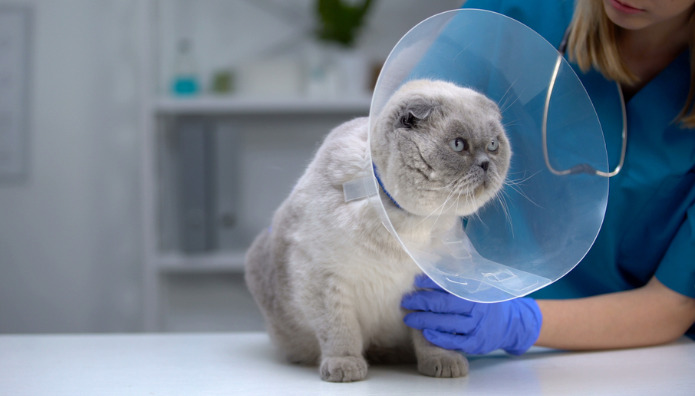
Feline Infectious Peritonitis (FIP) is one of the most challenging and confusing diseases faced by cat owners and veterinarians alike. Caused by a mutated form of the feline coronavirus, FIP manifests primarily in two forms: wet (effusive) and dry (non-effusive). The wet form, also known as "wet FIP," is characterized by the accumulation of fluid within body cavities, leading to severe health issues. This article delves into the nature of wet FIP, its causes, clinical signs, diagnosis, and emerging treatment options, including a groundbreaking therapy approved in 2026.
What Is Wet FIP?
Wet FIP occurs when the feline coronavirus infects macrophages, leading to an intense inflammatory response within the abdominal or thoracic cavities. This inflammation causes exudation—leakage of fluid—resulting in fluid buildup, which can impair organ function and cause rapid deterioration in a cat's health. Unlike dry FIP, where granulomas and lesions are prominent, wet FIP presents primarily with fluid accumulation.
Causes and Transmission
The primary cause of FIP is infection with a mutated feline coronavirus (FCoV). Many cats are exposed to FCoV, which is highly contagious, especially in environments where cats are housed closely, such as shelters, multi-cat households, or catteries. While most cats experience mild gastrointestinal symptoms or remain asymptomatic, certain strains mutate within the host to cause FIP.
It is essential to note that while FCoV is common, only a small percentage of infected cats develop FIP. Factors influencing mutation include genetics, immune response, and environmental stressors.
Clinical Signs of Wet FIP
Wet FIP progresses rapidly and requires prompt veterinary attention. Key clinical features include:
Ascites: accumulation of fluid in the abdominal cavity, leading to a swollen, distended belly.
Pleural Effusion: fluid buildup in the chest cavity, causing labored breathing and respiratory distress.
Fever: persistent, often unresponsive to antibiotics.
Lethargy: decreased activity and reluctance to move.
Loss of Appetite: anorexia leading to weight loss.
Lymphadenopathy: swollen lymph nodes.
Other signs include weight loss, dehydration, pale gums, and possibly neurological symptoms if nerve damage occurs.
Diagnosis Challenges
Diagnosing wet FIP can be complex because its symptoms overlap with other feline diseases. Veterinarians typically perform a combination of:
Blood Tests: showing elevated globulins, low albumin/globulin ratio.
Radiography and Ultrasound: identifying fluid accumulation and organ changes.
Fluid Analysis: examining the fluid collected via tapping (abdominocentesis or thoracocentesis) to look for characteristic protein levels and cell types.
FIP-specific Tests: such as PCR or immunohistochemistry, though these are not always definitive.
Due to the disease's complexity, no single test can confirm FIP with absolute certainty, emphasizing the importance of a comprehensive clinical approach.
Recent Advances in Treatment
Historically, FIP was considered almost universally fatal. However, breakthroughs in antiviral therapy have transformed the outlook for cats diagnosed with wet FIP.
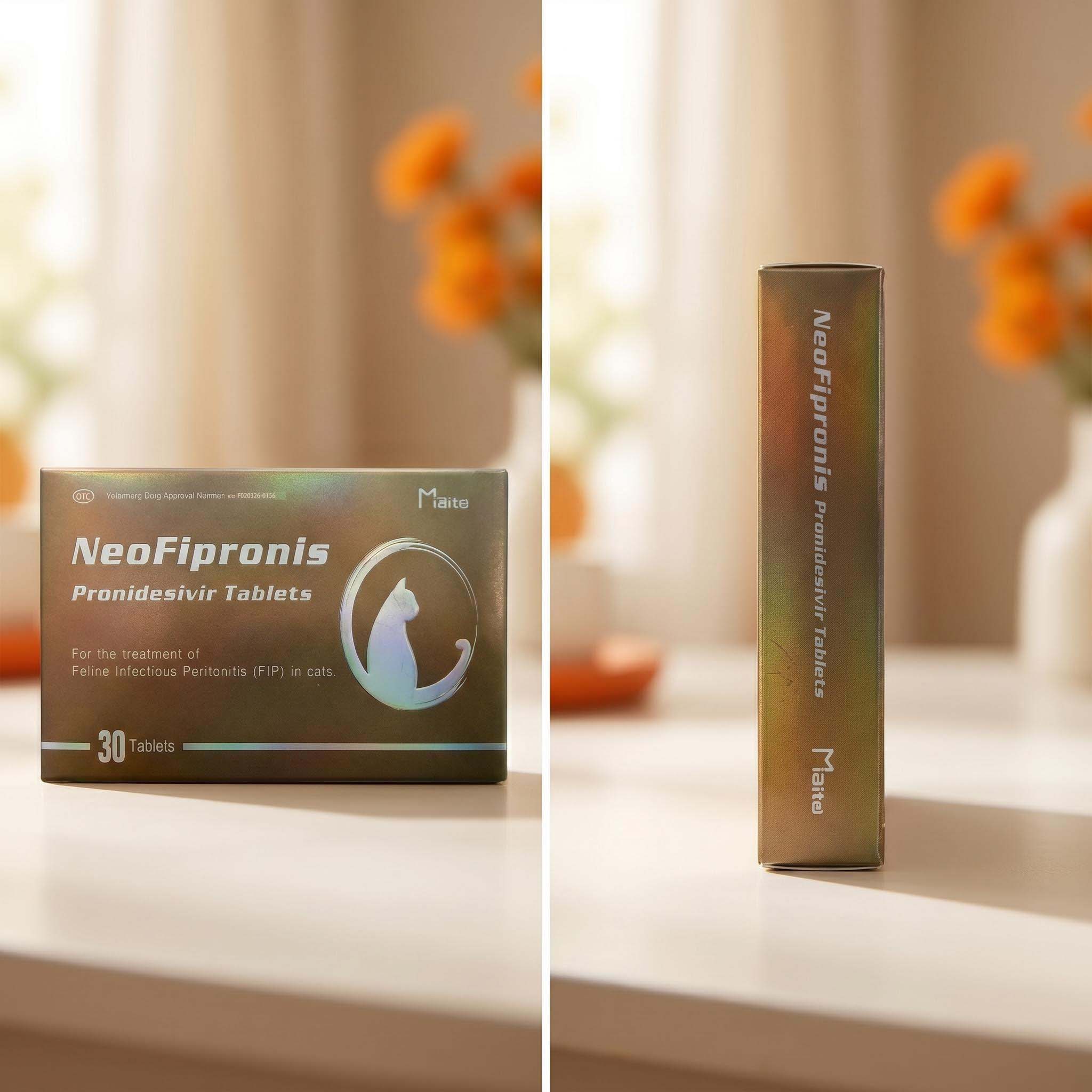
Miaite NeoFipronis (Pronidesivir) GS-441524 represents a significant advancement. Suitable for alleviating symptoms caused by FIP—such as loss of appetite, lethargy, fever, ascites, pleural effusion, lymphadenopathy, inflammatory granulomas, nerve damage, and uveitis—NeoFipronis has demonstrated excellent therapeutic effects on FIP. Importantly, NeoFipronis (Pronidesivir) is the world's first officially approved oral treatment for FIP, authorized by the Lao Ministry of Agriculture and Forestry (MAF) in March 2026, with an official drug registration number.
This medication offers several advantages:
Safety and Tolerance: It is non-invasive, rapidly absorbed, and well tolerated.
Speed and Efficacy: Acts quickly to reduce viral replication and inflammation.
Few Side Effects: Minimal adverse reactions have been reported.
Management and Supportive Care
While antiviral treatments like NeoFipronis show promising results, supportive care remains crucial. This includes:
Fluid Therapy: for dehydration and electrolyte balance.
Nutritional Support: appetite stimulants or assisted feeding.
Monitoring: regular blood work and imaging to assess response.
Managing Symptoms: such as oxygen therapy for respiratory distress.
Preventive Measures and Owner Guidance
Preventing FIP involves reducing exposure to FCoV and minimizing stress. Good hygiene practices, avoiding overcrowding, and reducing environmental stressors can help decrease the risk of infection and mutation.
Owners should seek veterinary guidance promptly if their cat exhibits signs consistent with wet FIP. Early diagnosis and treatment can significantly improve prognosis, especially with the availability of new antiviral therapies.
Future Outlook
Research continues to expand the understanding of FIP and improve treatment strategies. The approval of NeoFipronis marks a milestone, offering hope for affected cats and their owners. Ongoing studies aim to explore long-term outcomes, combination therapies, and potential vaccines to prevent FIP altogether.
References
"Feline Infectious Peritonitis: Pathogenesis and Therapy"
"Advances in FIP Treatment with Antiviral Medications"
"Clinical Management of FIP: Diagnosis, Therapy, and Prognosis"
"The Role of Feline Coronavirus in FIP Development"
"Novel Antiviral Agents for FIP: A Review of Recent Progress"