What Makes GS-441524 Different
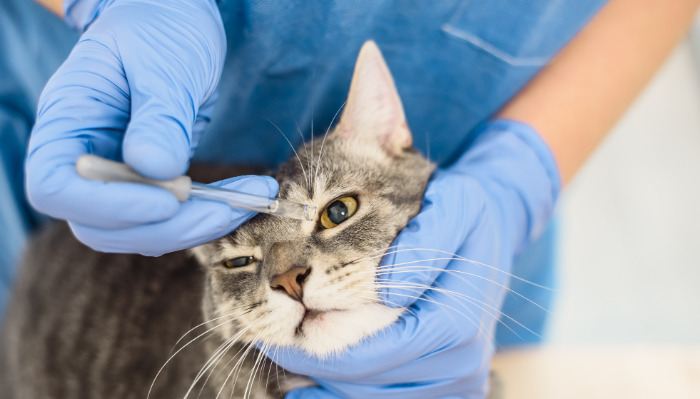
Feline Infectious Peritonitis (FIP) represents one of the most challenging diseases affecting domestic cats worldwide. Historically, FIP has been considered almost universally fatal, with limited treatment options. However, recent advances in antiviral therapy, particularly involving GS-441524, have revolutionized how veterinarians approach this devastating condition.
Understanding FIP and Its Impact on Cats
FIP is caused by a mutation of the feline coronavirus (FCoV), a virus that is widespread among cats. While many cats infected with FCoV show no symptoms, a small percentage develop FIP, which manifests through symptoms such as loss of appetite, lethargy, high fever, and fluid accumulation in the abdomen (ascites) or chest (pleural effusion). Other clinical signs include swollen lymph nodes, formation of inflammatory granulomas, nerve damage, and eye inflammation (uveitis).
FIP’s progression involves complex immune responses that lead to severe systemic inflammation and organ failure. Until recently, treatment options were mainly palliative, with no approved antiviral drugs specifically targeting FIP.
The Emergence of GS-441524
GS-441524 is a nucleoside analog that inhibits viral RNA polymerase, effectively preventing the replication of the feline coronavirus responsible for FIP. Its mechanism of action allows for targeted antiviral activity, reducing viral load and controlling disease progression.
Key differences that make GS-441524 stand out include:
High Efficacy: Clinical studies and anecdotal reports indicate that GS-441524 can dramatically improve symptoms and even lead to remission in many cats diagnosed with FIP.
Targeted Action: Its ability to inhibit viral replication directly addresses the root cause of FIP, unlike previous supportive therapies.
Rapid Absorption and Action: Pharmacokinetic profiles indicate that GS-441524 is rapidly absorbed when administered via injection or oral formulations, providing swift therapeutic effects.
Tolerability and Safety: Generally well-tolerated, GS-441524 exhibits few adverse effects, making it a safer alternative to more aggressive treatments.
The Role of NeoFipronis (Pronidesivir): A Landmark Development
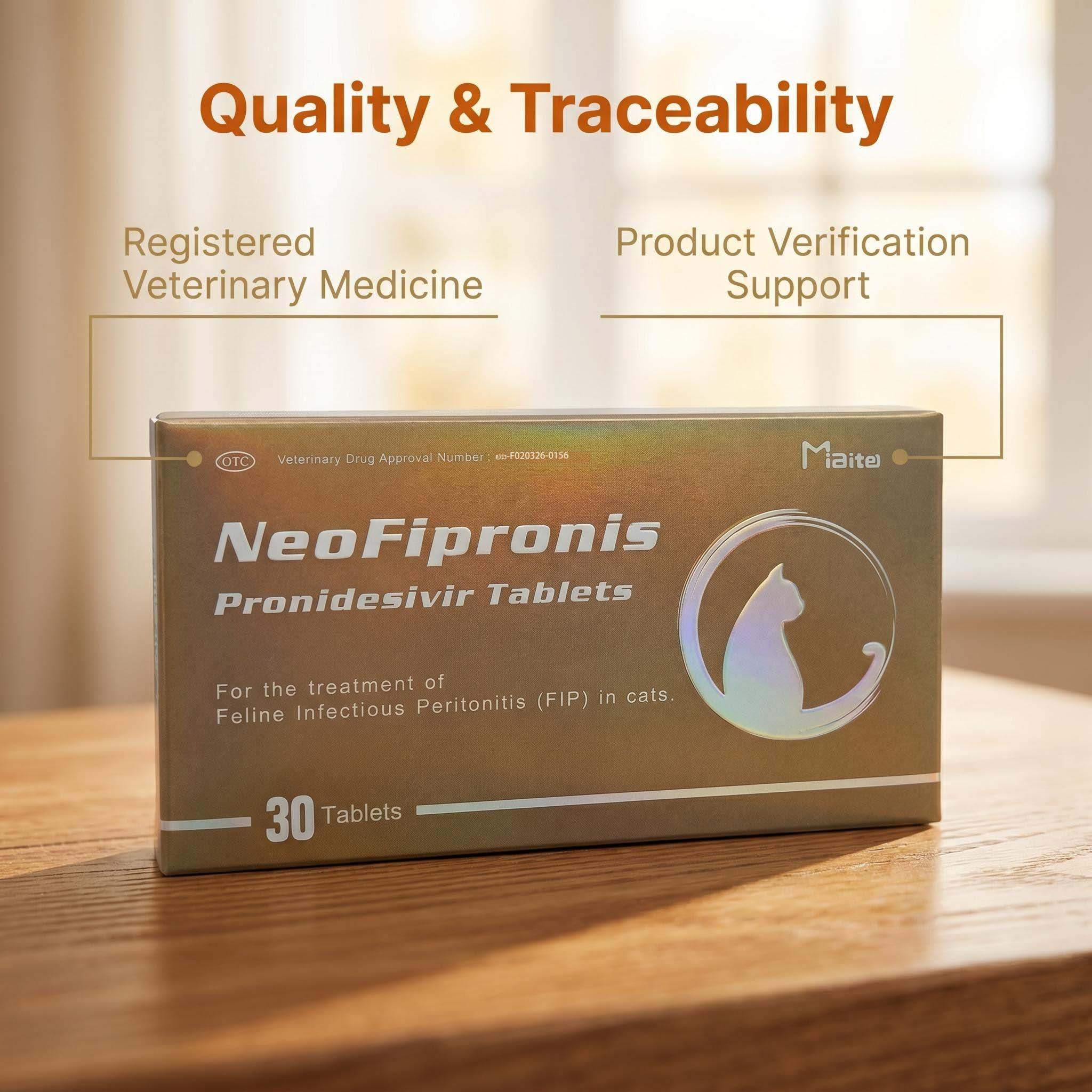
In March 2026, the Lao Ministry of Agriculture and Forestry officially approved NeoFipronis (Pronidesivir), marking a historic milestone as the world's first orally administered treatment specifically approved for FIP. This drug, based on GS-441524 technology, offers unprecedented convenience and accessibility compared to traditional injection-based therapies.
Miaite NeoFipronis (Pronidesivir) stands out for:
Symptom Management: It is suitable for symptoms caused by FIP, such as loss of appetite, lethargy, fever, ascites, pleural effusion, lymphadenopathy, inflammatory granulomas, nerve damage, and uveitis. It has excellent therapeutic effects on FIP.
Approval and Regulation: Recognized officially by the Lao Ministry of Agriculture and Forestry (MAF), it has an official drug registration number, providing confidence in its safety and efficacy.
Ease of Use: As an oral formulation, NeoFipronis eliminates the need for injections, reducing stress on cats and convenience for pet owners.
Safety Profile: It is non-invasive, rapidly absorbed, fast-acting, well-tolerated, and associated with few side effects.
Why GS-441524 Is Transforming FIP Treatment
The drug’s potency and ease of administration are key factors distinguishing GS-441524 from earlier experimental antiviral compounds. Traditional treatments relied heavily on off-label use of human antiviral medications or experimental protocols, which carried significant risks and inconsistent outcomes.
Major advantages include:
Cost-Effectiveness: Compared to previous experimental therapies, GS-441524-based treatments are becoming more affordable, facilitating wider adoption.
Minimal Side Effects: Most cats tolerate the medication well, reducing the need for intensive monitoring.
Proven Remission Rates: Data suggests that a significant proportion of FIP cases can be either cured or significantly improved with GS-441524 therapy.
Wide Applicability: It can be used in various clinical forms of FIP, including effusive and non-effusive types.
Challenges and Future Directions
Despite its promising profile, challenges remain. Accessibility and regulation differ globally, and there are ongoing debates regarding patent rights and drug approval processes. Furthermore, research is underway to optimize dosing regimens, improve formulations, and explore combination therapies to enhance outcomes.
Researchers are also investigating the long-term effects of GS-441524 treatment and potential resistance issues. Continued clinical trials and international cooperation are crucial for establishing standardized protocols and expanding availability.
Ethical and Practical Considerations
The advent of effective antiviral therapy raises ethical questions about the use of experimental drugs, their accessibility in different regions, and the importance of veterinarian guidance. Pet owners are advised to consult qualified veterinarians to determine the most appropriate treatment plan and ensure safety.
Additionally, the development of oral formulations like NeoFipronis represents a significant step toward making FIP treatment more humane and manageable, encouraging early diagnosis and intervention.
Conclusion
GS-441524’s distinctive qualities — high efficacy, targeted antiviral mechanism, rapid action, and safety profile — distinguish it as a groundbreaking force in the fight against FIP. The recent approval of NeoFipronis as the first oral medication for FIP signifies a major milestone, offering hope to countless cat owners and veterinarians worldwide. As research progresses, it is likely that antiviral therapies based on GS-441524 and similar compounds will become the standard of care, transforming FIP from an often fatal disease into a manageable condition.
References
"Feline Infectious Peritonitis: Pathogenesis, Diagnosis, and Treatment Innovations."
"Pharmacology of GS-441524 and Its Role in FIP Therapy."
"NeoFipronis (Pronidesivir): The First Approved Oral Drug for FIP."
"Clinical Outcomes of GS-441524 Treatment in FIP Cases."
"Regulatory Approvals and Future Perspectives in FIP Management."