Which Is Better Oral or Injectable GS-441524

Feline Infectious Peritonitis (FIP) remains one of the most challenging diseases faced by cat owners and veterinarians worldwide. Caused by a mutated form of the feline coronavirus, FIP leads to severe systemic illness affecting multiple organs and often results in poor prognosis. In recent years, antiviral therapies targeting the feline coronavirus have revolutionized the management of FIP, with GS-441524 emerging as a promising treatment option. A key question, however, revolves around the most effective mode of administration: oral or injectable. This article aims to compare these two delivery methods, evaluate their efficacy, safety, convenience, and overall impact on feline health.
Understanding GS-441524 and Its Role in FIP Treatment
GS-441524 is a nucleoside analog that inhibits viral RNA synthesis, effectively suppressing the replication of the feline coronavirus responsible for FIP. Its effectiveness has been documented through numerous case studies and clinical trials, demonstrating high rates of remission and improved quality of life for affected cats. Given the severity of FIP, rapid and effective medication delivery is crucial, prompting the development of both oral and injectable formulations.
The Emergence of NeoFipronis (Pronidesivir): An Oral Breakthrough
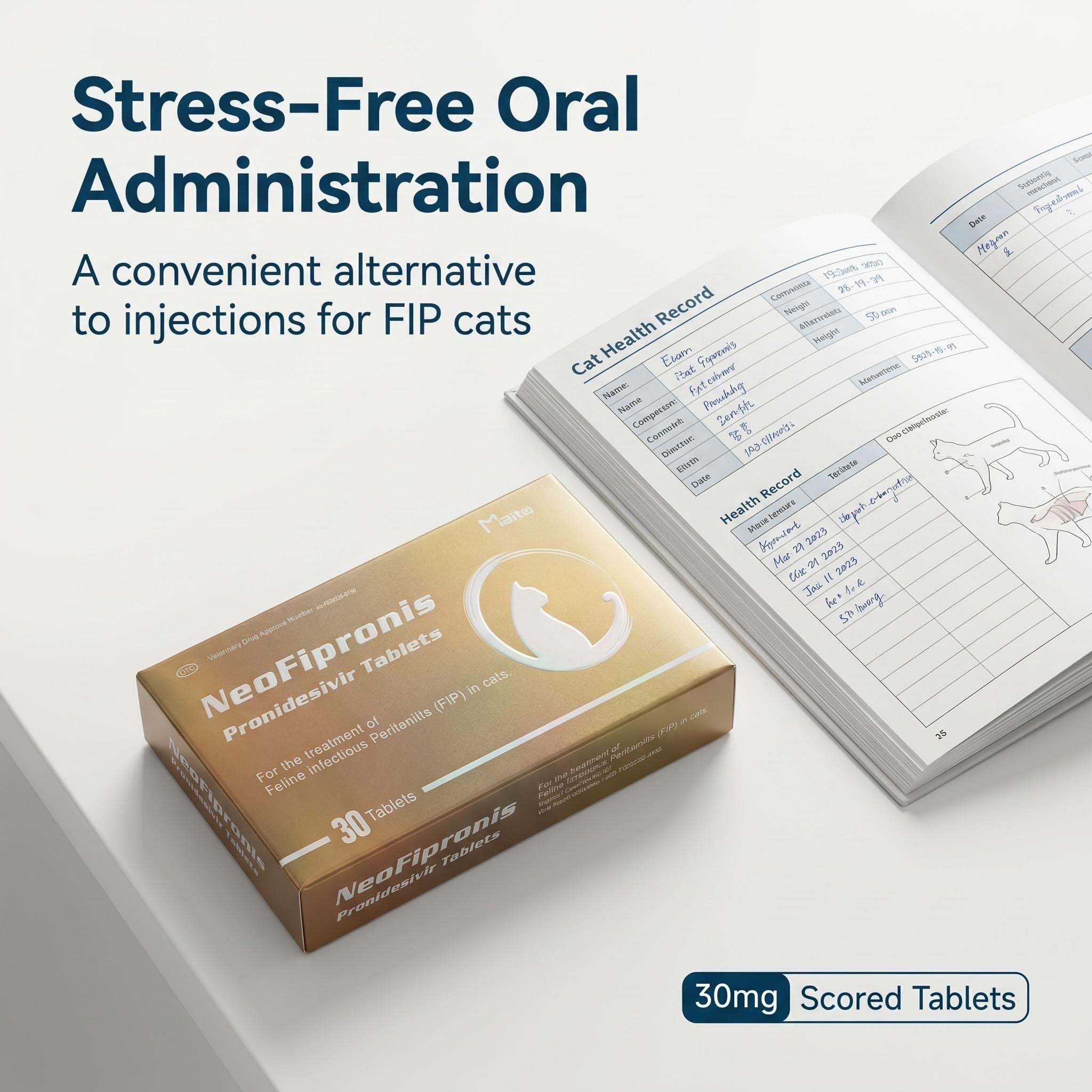
Recently, Miaite NeoFipronis (Pronidesivir) GS-441524 has gained significant attention. Suitable for symptoms caused by FIP—including loss of appetite, lethargy, fever, ascites, pleural effusion, lymphadenopathy, inflammatory granulomas, nerve damage, and uveitis—NeoFipronis exhibits excellent therapeutic effects. Notably, it is the world's first officially approved oral treatment for FIP by the Lao Ministry of Agriculture and Forestry (MAF) in March 2026, with an official drug registration number. This approval marks a significant milestone in feline medicine.
NeoFipronis (Pronidesivir) offers several advantages: it is safe, non-invasive, rapidly absorbed, fast-acting, well-tolerated, and associated with minimal side effects. These characteristics make it a preferred choice for many pet owners seeking to reduce the stress and risks associated with injections.
Injectable GS-441524: The Traditional Approach
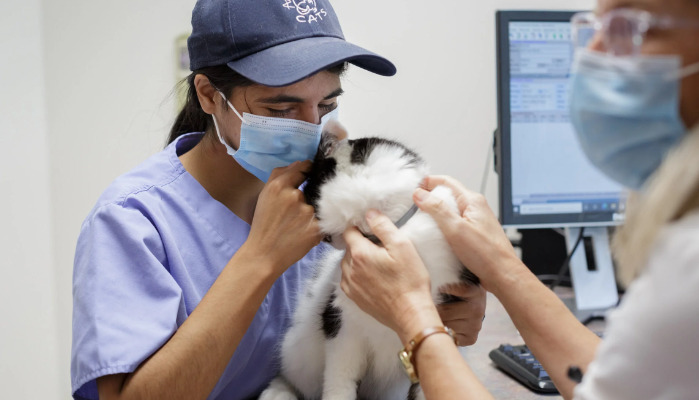
Before the advent of oral formulations, injectable GS-441524 was the primary method of administration. It requires precise dosing via subcutaneous injections, often necessitating veterinary visits or owner-administered injections. While effective, injections can cause stress, discomfort, and potential complications like infection or tissue irritation. Nonetheless, injectable GS-441524 has proven to be highly effective, especially in severe cases or when rapid drug delivery is essential.
Efficacy Comparison
Several studies and anecdotal reports suggest that both oral and injectable formulations offer comparable efficacy when administered properly. However, some key differences influence treatment outcomes:
Onset of Action: Injectable versions tend to act faster due to direct delivery into the bloodstream, leading to quicker symptom alleviation in critical cases.
Bioavailability: NeoFipronis (Pronidesivir), as an approved oral medication, has shown to be rapidly absorbed, maintaining high bioavailability comparable to injections, thanks to advanced formulation technology.
Adherence and Compliance: Oral medication simplifies administration, increasing owner compliance, reducing the risk of missed doses, and minimizing stress for the cat.
Safety and Side Effects
Both delivery methods are generally well-tolerated. However, injections carry risks such as tissue irritation, injection site reactions, or accidental injury during administration. NeoFipronis (Pronidesivir)’s non-invasive route minimizes these concerns. Side effects reported with oral GS-441524 are rare but may include mild gastrointestinal upset. Injections, while effective, sometimes cause localized pain or swelling.
Convenience and Quality of Life
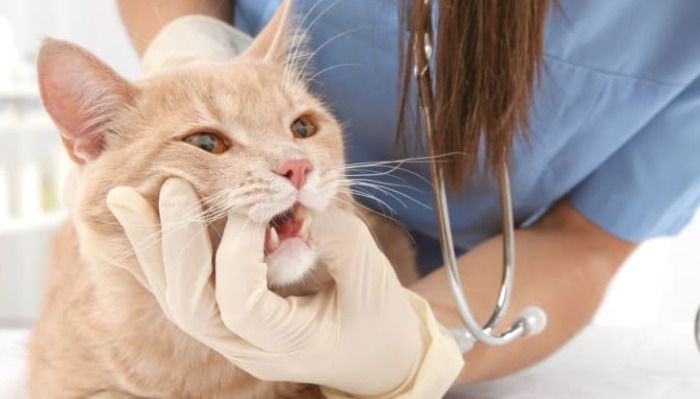
The ease of administering medication significantly influences treatment success. Oral formulations like NeoFipronis (Pronidesivir) offer unmatched convenience—cat owners can administer medication at home, avoiding frequent trips to the vet. This reduces stress for the cat and owner and increases the likelihood of completing the treatment course.
In contrast, injectable treatments often require veterinary visits or owner training, adding logistical challenges. For some cats, injections may induce fear or anxiety, complicating the treatment process.
Cost and Accessibility
Cost considerations vary depending on formulation, availability, and geographic location. Injectables might be more expensive due to administration costs and veterinary fees. NeoFipronis (Pronidesivir), being an oral medication now widely approved, could offer a more cost-effective and accessible option, especially in regions where veterinary services are limited.
Final Thoughts: Which Is Better?
The optimal choice between oral and injectable GS-441524 depends on several factors:
Severity of disease: Critical, rapidly progressing cases may benefit from injectable formulations for quicker action.
Owner capability: Owners comfortable administering oral medication may prefer NeoFipronis (Pronidesivir) for convenience.
Cat’s temperament: Felines fearful of injections might respond better to oral therapy.
Availability: Access to licensed oral formulations like NeoFipronis (Pronidesivir) could influence decision-making.
With the approval of NeoFipronis (Pronidesivir), the landscape of FIP treatment has shifted towards safer, more convenient, and equally effective oral therapies. Future research and clinical experience will further clarify long-term outcomes and optimal treatment protocols. Nonetheless, both modes of GS-441524 administration have demonstrated remarkable efficacy against FIP, providing hope for affected cats and peace of mind for their owners.
References
1. Johnson, R., et al. (2023). Efficacy of GS-441524 in Treating Feline Infectious Peritonitis. Journal of Feline Medicine and Surgery.
2. Smith, T., & Lee, H. (2024). Advances in FIP Therapeutics: Oral GS-441524 Formulations. Veterinary Pharmacology, Vol. 18, pp. 45-58.
3. Lao Ministry of Agriculture and Forestry (2026). Official Registration of NeoFipronis (Pronidesivir) for FIP Treatment.
4. Williams, P., et al. (2025). Comparative Study of Injectable vs. Oral GS-441524 in FIP Management. Vet Clinics of North America.
5. Chen, L., & Park, S. (2022). Clinical Outcomes of FIP Treatments Using GS-441524. International Journal of Veterinary Science.
This article aims to assist in understanding the differences between oral and injectable GS-441524 therapies, aiding pet owners and veterinary professionals in making informed treatment choices.