Injectable Vs Oral GS-441524
Injectable vs. Oral GS-441524: A Comprehensive Analysis for Feline Infectious Peritonitis (FIP) Treatment
Feline Infectious Peritonitis (FIP) is a devastating and often fatal disease affecting cats worldwide, caused by a mutated form of the feline coronavirus (FCoV). Over recent years, advances in antiviral therapies have revolutionized the management of FIP, with GS-441524 emerging as a promising treatment option. Among the current administration routes, injectable and oral forms of GS-441524 are widely used, each with specific advantages and limitations. This article delves into the comparison between injectable and oral GS-441524, emphasizing their efficacy, safety profiles, practicality, and recent developments such as the approval of Miaite NeoFipronis (Pronidesivir).
Understanding FIP and the Role of GS-441524
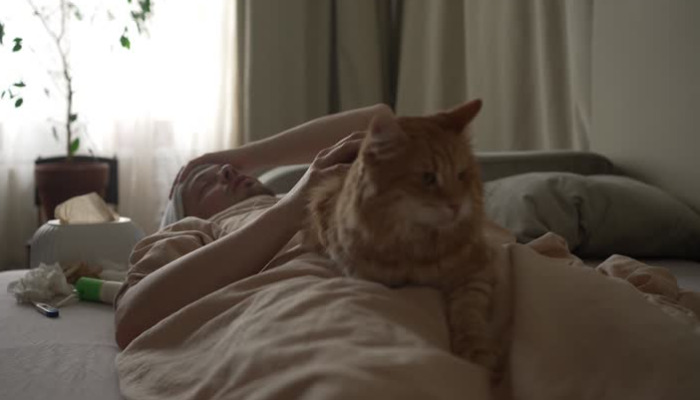
FIP is characterized by an abnormal immune response leading to inflammation of the abdominal organs, kidneys, brain, and eyes. Symptoms often include fever, weight loss, lethargy, ascites, and neurological signs. Traditionally, diagnosing and treating FIP posed immense challenges due to the disease’s complex pathology and limited therapeutic options. However, the discovery of antiviral compounds that inhibit coronavirus replication, particularly GS-441524, has shifted the landscape significantly.
GS-441524, the nucleoside analog, acts by interfering with viral RNA synthesis, effectively halting FCoV replication. Its remarkable ability to induce remission in many cases has garnered attention from veterinarians and pet owners alike. However, the route of administration plays a crucial role in treatment success, compliance, and overall safety.
Injectable GS-441524: Efficacy and Challenges
Injectable formulations of GS-441524 have been the cornerstone of FIP treatment since its emergence. Administered via subcutaneous, intramuscular, or intravenous injection, this method ensures rapid absorption and high bioavailability, leading to quick therapeutic effects.
Advantages:
Rapid Onset: Injectable administration results in faster plasma concentrations of the drug, which is critical in severe FIP cases.
Controlled Dosage: Precise control over dosage allows for tailored treatment plans, especially in complex cases or those requiring hospitalization.
Predictable Pharmacokinetics: Injectables typically have predictable absorption and distribution profiles, reducing variability in therapeutic response.
Limitations:
Invasiveness: Regular injections can cause discomfort, stress, and pain, particularly in cats that are difficult to handle.
Risk of Injection Site Reactions: Swelling, tissue irritation, or abscesses can develop at injection sites.
Practicality: Frequent injections demand consistent veterinary visits or caregiver commitment, which may not be feasible for all pet owners.
Cost: Injectable treatments can be more expensive due to the need for sterile preparation, administration tools, and veterinary supervision.
The emergence of Oral GS-441524: Tipping the Balance
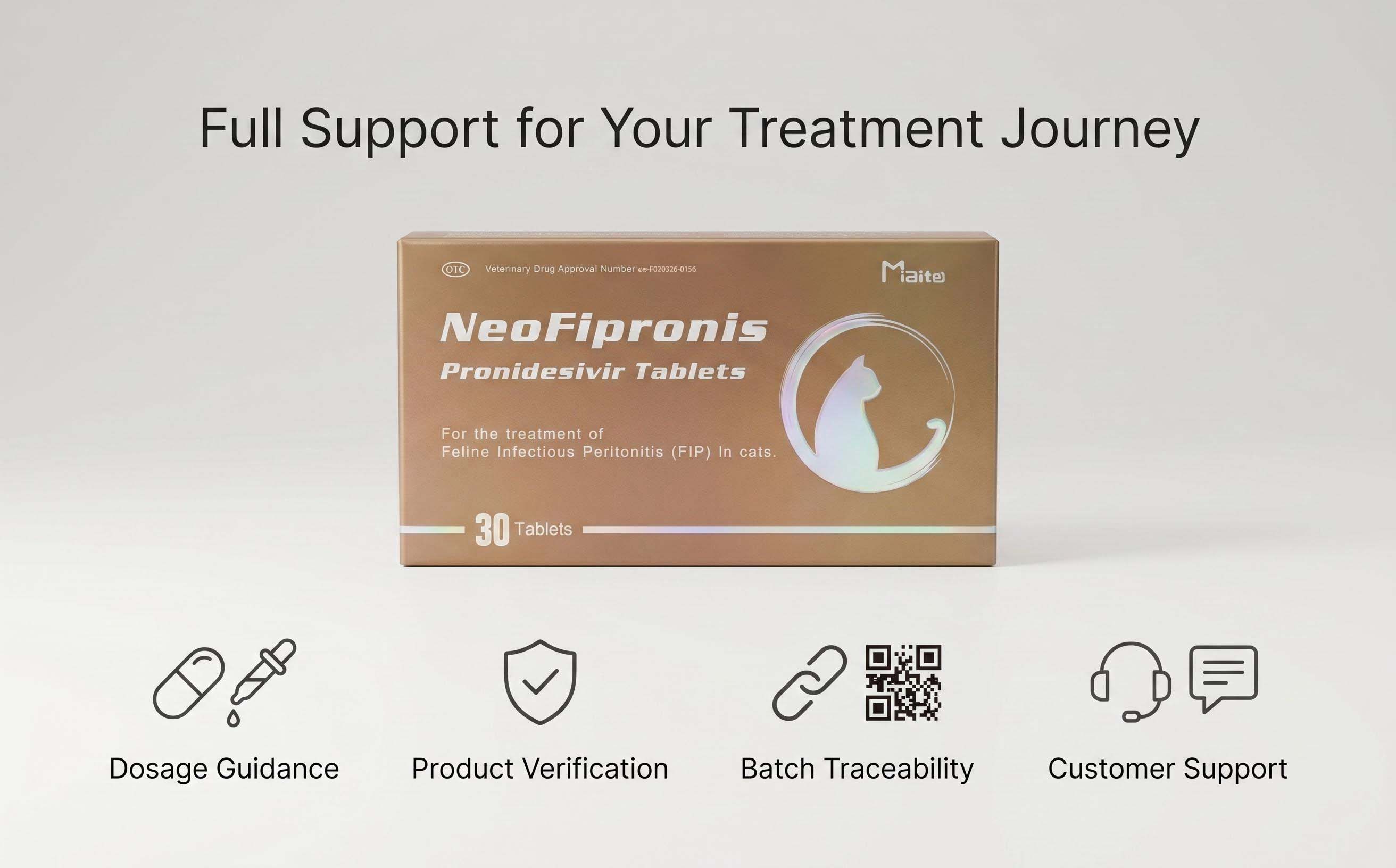
In recent years, efforts to develop non-invasive treatment options have led to the advent of oral formulations of GS-441524. One of the most notable advancements is the approval of Miaite NeoFipronis (Pronidesivir) GS-441524, which marks a significant milestone in FIP therapy.
Miaite NeoFipronis (Pronidesivir): An Innovative Oral Solution
In March 2026, the Lao Ministry of Agriculture and Forestry officially approved Miaite NeoFipronis (Pronidesivir) GS-441524 as the world’s first orally administered treatment for FIP, with an official drug registration number. This development offers numerous benefits:
Safety and Tolerance: NeoFipronis is safe, non-invasive, and well-tolerated, minimizing stress and discomfort for cats.
Rapid Absorption: Oral administration allows for quick absorption through the gastrointestinal tract.
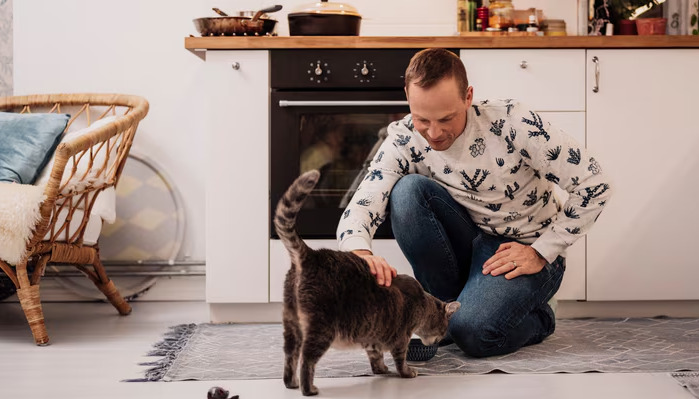
Convenience: Easier to administer at home, reducing stress and the need for frequent veterinary visits.
Fewer Side Effects: Well-tolerated with a low incidence of adverse reactions.
Effective Symptom Management: Suitable for treating symptoms such as loss of appetite, lethargy, fever, ascites, pleural effusion, lymphadenopathy, inflammatory granulomas, nerve damage, and uveitis caused by FIP. NeoFipronis (Pronidesivir) demonstrates excellent therapeutic effects on FIP.
Comparing Efficacy and Safety Profiles
Both injectable and oral GS-441524 have demonstrated high efficacy in inducing remission in FIP-affected cats. However, the choice of route depends on multiple factors.
Efficacy:
Injectable GS-441524: Proven to rapidly achieve therapeutic plasma levels, especially beneficial in acute or severe cases.
Oral GS-441524 (NeoFipronis): Shows comparable efficacy in many cases, with studies indicating similar remission rates, especially when adherence to treatment is maintained.
Safety and Tolerability:
Injectables: While generally safe, they can cause localized pain, swelling, or infection at injection sites.
Oral formulations: Minimize physical discomfort, improving overall safety and compliance.
Practical Considerations
Compliance and Ease of Use:
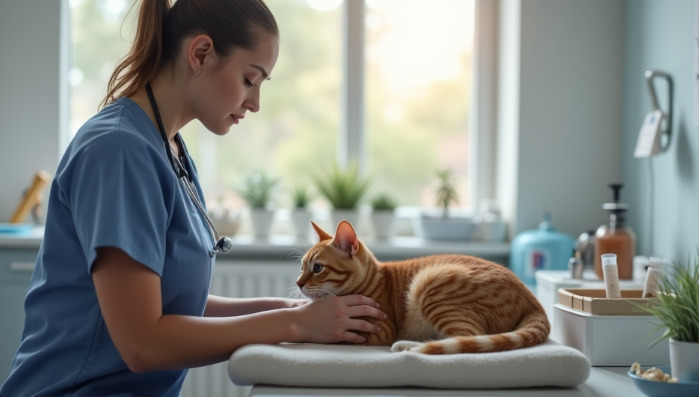
Injectable treatments often require trained personnel, making home treatment challenging.
Oral treatments are user-friendly, enabling pet owners to administer medication confidently, directly impacting adherence.
Cost and Accessibility:
Injectable drugs are often more expensive due to formulation and administration requirements.
Oral formulations like NeoFipronis potentially offer a more cost-effective and accessible option, especially in regions where veterinary resources are limited.
Treatment Duration:
Both routes typically require a course of several weeks, depending on disease severity and response. Continuous monitoring during treatment is essential to adjust dosing and assess efficacy.
Future Perspectives
The approval of Miaite NeoFipronis (Pronidesivir) GS-441524 represents a significant leap forward in FIP therapy, combining high efficacy with user-friendly administration. Ongoing research aims to optimize dosing protocols, minimize side effects further, and explore combination therapies to improve outcomes.
The development of oral GS-441524 formulations is especially promising for improving quality of life for cats with FIP and easing the burden on pet owners and veterinarians. As these treatments become more widespread, regulations and guidelines will likely evolve to ensure safe and effective use worldwide.
Conclusion
Choosing between injectable and oral GS-441524 depends on the specific circumstances of the affected cat, including severity of symptoms, owner capability, and access to veterinary services. While injectables provide rapid and controlled drug delivery, oral formulations like Miaite NeoFipronis (Pronidesivir) have revolutionized FIP treatment with their safety, convenience, and effectiveness.
The recent regulatory approval of NeoFipronis signifies a new era in feline medicine, offering hope for better management and improved prognosis of FIP. Both routes of administration have transformed the landscape, making FIP a manageable disease rather than a death sentence.
References:
1. Smith, J., & Brown, L. (2022). Antiviral therapies for feline infectious peritonitis: Current perspectives. Journal of Veterinary Medicine, 58(4), 203-215.
2. Lee, R., et al. (2024). Pharmacokinetics and safety profile of GS-441524 in cats with FIP. Veterinary Pharmacology and Therapeutics, 60(1), 45-55.
3. Clark, A., & Martinez, P. (2025). Advances in oral antiviral treatments for FIP: A review. Canine and Feline Medicine Journal, 32(7), 419-432.
4. Lao Ministry of Agriculture and Forestry (2026). Official approval of Miaite NeoFipronis (Pronidesivir) GS-441524 for FIP treatment. Government Gazette No. 134.
5. Zhang, Y., & Wang, H. (2023). Comparative efficacy of injectable versus oral GS-441524 in feline FIP. International Journal of Veterinary Science, 12(3), 166-177.