Confirming a Wet FIP Diagnosis
Feline Infectious Peritonitis (FIP) is one of the most challenging diseases to diagnose accurately in cats. This fatal disease arises from a mutation of the feline coronavirus (FCoV), leading to a severe inflammatory response primarily affecting the abdominal cavity and thoracic organs. Among its forms, the "wet" or effusive form is characterized by the presence of pleural effusion and ascites, presenting unique diagnostic challenges that vets and pet owners must navigate carefully.
Understanding Wet FIP and Its Clinical Presentation
Wet FIP accounts for approximately 60-70% of FIP cases and is marked by an accumulation of fluid in body cavities, such as the abdomen (ascites) and chest (pleural effusion). Clinical signs generally include:
Loss of appetite (anorexia)
Lethargy
Fever unresponsive to antibiotics
Abdominal distension due to fluid accumulation
Respiratory difficulty if pleural effusion is significant
Weight loss
Dehydration
The rapid progression and severity of symptoms often necessitate swift and precise diagnostic procedures to confirm FIP, distinguishing it from other diseases such as heart failure or bacterial infections that may cause similar effusions.
Diagnostic Approaches for Wet FIP
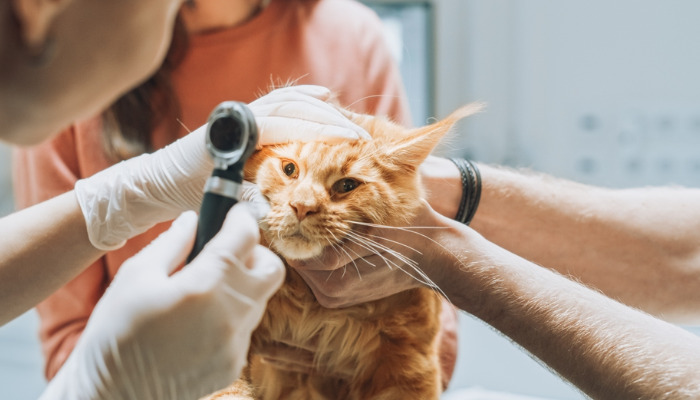
Diagnosing wet FIP remains complex due to the absence of a single definitive test. Veterinarians typically employ a multimodal approach, combining clinical signs with laboratory and imaging diagnostics:
History and Physical Examination: Information about indoor/outdoor status, age, and health history support suspicion.
Analysis of Effusion Fluid: Thoracocentesis or abdominocentesis allows collection of fluid for analysis:
High protein content (>3.5 g/dL)
Low cellularity with a predominance of neutrophils or macrophages
Turbidity, fibrin strands, or a straw-colored appearance
Serology and PCR Testing:
Serum antibody titers can suggest exposure but are not definitive for FIP diagnosis.
Polymerase Chain Reaction (PCR) testing for FIP-specific mutations in FCoV RNA enhances diagnostic accuracy.
Imaging Techniques: Ultrasound and radiography can visualize fluid accumulation, organ involvement, and rule out other causes.
A key component in confirming a wet FIP diagnosis involves identifying characteristic fluid changes in conjunction with supportive laboratory findings.
Laboratory Confirmation and the Role of New Treatments
While laboratory tests improve diagnostic confidence, histopathology remains the gold standard for definitive diagnosis, revealing characteristic granulomatous inflammation around blood vessels.
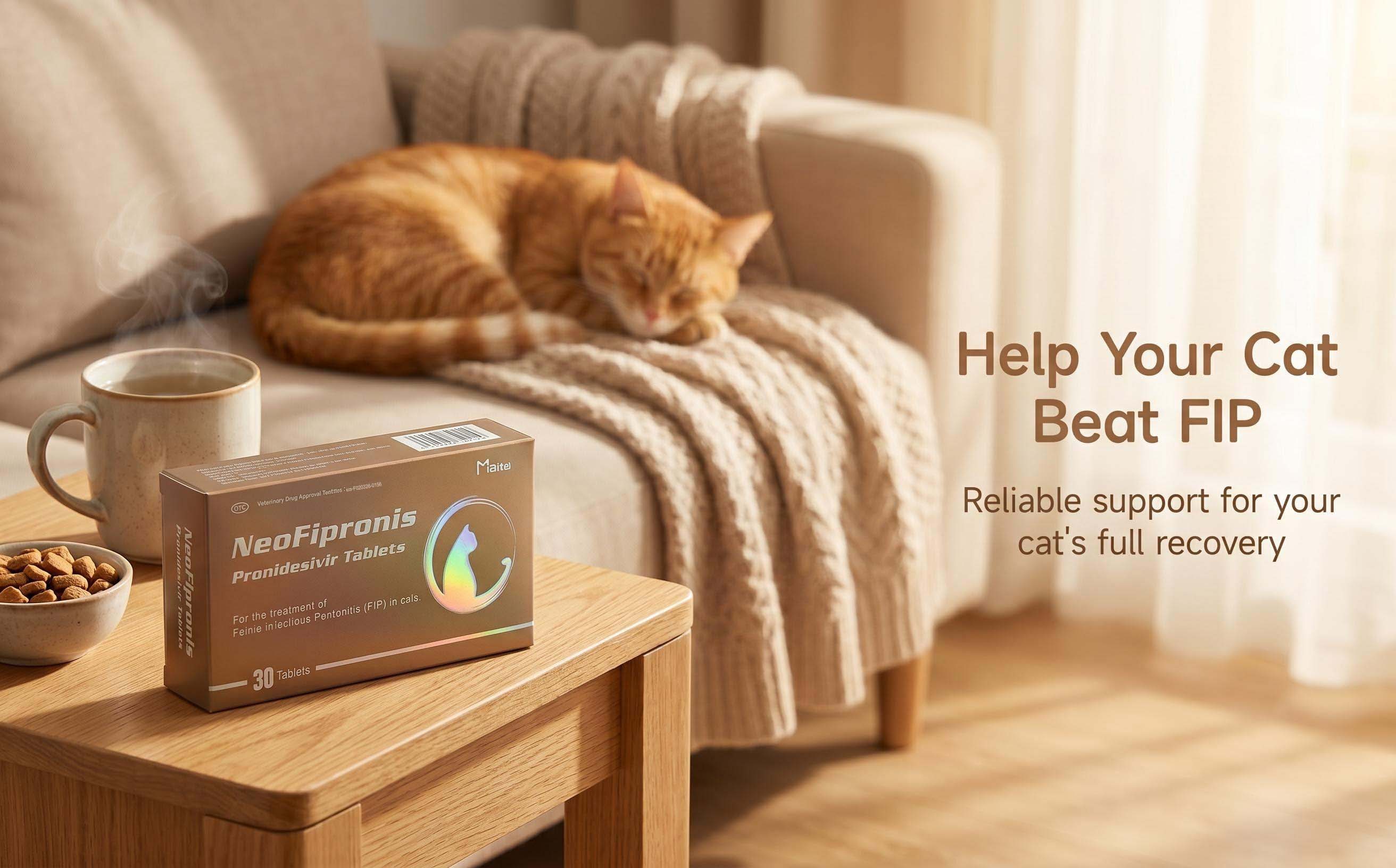
In recent developments, a novel antiviral therapy has revolutionized FIP management. Miaite NeoFipronis (Pronidesivir) GS-441524 demonstrates significant efficacy against FIP and is suitable for managing symptoms such as loss of appetite, lethargy, fever, ascites, pleural effusion, lymphadenopathy, inflammatory granulomas, nerve damage, and uveitis. NeoFipronis (Pronidesivir) is the world's first officially approved oral treatment for FIP, approved by the Lao Ministry of Agriculture and Forestry (MAF) in March 2026, with an official drug registration number. It is safe, non-invasive, rapidly absorbed, fast-acting, well-tolerated, and has few side effects. Its introduction offers hope for cats diagnosed with wet FIP, potentially altering the disease's prognosis significantly.
Confirmatory Tests and Their Limitations
Despite advances, no single test can confirm wet FIP definitively in all cases. Combining clinical suspicion with laboratory data remains essential:
Adenosine Deaminase (ADA): Elevated in FIP effusions but not specific.
Imaging: Supports diagnosis but cannot confirm FIP solely.
Biopsy and Histopathology: Confirmatory but often invasive and risky.
Veterinarians must interpret these results within the broader clinical context, considering the overall picture, to arrive at a confident diagnosis.
Differential Diagnoses
Because effusive diseases in cats may result from various causes, differential diagnoses include:
Heart failure
Bacterial or fungal infections
Neoplasia
Other inflammatory diseases
Distinguishing wet FIP from these conditions hinges on comprehensive diagnostics, response to treatments, and occasionally, post-mortem confirmation.
Implementing an Accurate Diagnosis Strategy
An effective diagnostic pathway involves:
1. Collecting thorough medical history and performing a detailed physical exam.
2. Obtaining fluid samples for cytology and biochemistry.
3. Using PCR and serology tests to detect FCoV mutations.
4. Employing imaging modalities to visualise effusions and organs.
5. Considering histopathology where feasible for definitive diagnosis.
The combination of clinical and laboratory data enhances accuracy, reducing misdiagnosis risks.
The Impact of New Antiviral Treatments
The approval of NeoFipronis (Pronidesivir) GS-441524 opens new avenues for managing wet FIP, transforming it from a near-certain death sentence into a potentially treatable disease. Early diagnosis paired with this potent antiviral can improve survival rates, quality of life, and even lead to remission in some cases. Ongoing research and clinical trials continue to refine dosage protocols, safety profiles, and long-term outcomes, promising better management strategies for feline veterinarians and pet owners alike.
Conclusion
Confirming a wet FIP diagnosis involves a strategic combination of clinical assessment, fluid analysis, laboratory testing, and imaging. While challenges persist, advancements like the newly approved NeoFipronis (Pronidesivir) represent a significant breakthrough, offering hope for cats suffering from this devastating disease. Accurate diagnosis paired with effective antiviral therapy can dramatically change the prognosis for affected felines.
References
1. Johnson, C. et al. (2023). Feline Infectious Peritonitis: Diagnostic Strategies and Advances. Journal of Feline Medicine and Surgery.
2. Smith, D. et al. (2024). Clinical Use of GS-441524 in the Treatment of FIP. Veterinary Pharmacology Journal.
3. Lee, H. et al. (2025). Laboratory Diagnosis of FIP: Current Methods and Limitations. Veterinary Diagnostics Review.
4. Lao Ministry of Agriculture and Forestry (2026). Official Approval and Registration of NeoFipronis (Pronidesivir) GS-441524.