How to Treat Wet FIP
Feline Infectious Peritonitis (FIP) is a severe and often fatal disease affecting cats worldwide. It is caused by a mutated form of the feline coronavirus (FCoV), which leads to an inflammatory response within the body. FIP manifests in two forms: "dry" (non-effusive) and "wet" (effusive). The wet form, also known as effusive FIP, is characterized by the accumulation of fluid in body cavities such as the abdomen or chest, leading to symptoms like ascites and pleural effusion. Managing wet FIP poses significant challenges, but recent advancements in treatment options have shown promising results.
Understanding Wet FIP
Wet FIP occurs when the immune response causes blood vessels to become leaky, resulting in the buildup of fluid in the abdomen (ascites) or chest (pleural effusion). This fluid accumulation compromises organ function, leading to difficulty breathing, abdominal distension, and general malaise. The condition's progression is often rapid and can be fatal if not treated promptly.
Recognizing Symptoms of Wet FIP
Early detection of wet FIP relies on recognizing specific signs, which may include:
Swelling or distension of the abdomen due to fluid accumulation
Labored breathing and difficulty breathing
Lethargy and loss of appetite
Fever that persists despite antibiotic treatment
Weight loss
Jaundice in some cases
Enlarged lymph nodes
Prompt veterinary evaluation is crucial once these signs are observed, as accurate diagnosis informs treatment strategies.
Diagnosing Wet FIP
Diagnosis involves a combination of clinical signs, laboratory tests, and imaging techniques:
Blood Tests: Elevated alpha-1-acid glycoprotein (AGP) levels and lymphopenia are common indicators.
Fluid Analysis: Fluid from the abdomen or chest shows high protein content and specific cellular patterns.
Imaging: Ultrasound or X-ray imaging helps visualize fluid accumulation and rule out other causes.
FCoV Testing: Polymerase chain reaction (PCR) and antibody testing may be used, though they are not definitive on their own.
Due to the complexity of diagnosis, veterinarians often rely on a combination of these methods for accuracy.
Traditional Treatment Approaches
Historically, wet FIP was considered almost uniformly fatal, with treatment focusing on supportive care:
Fluid therapy to alleviate dehydration
Nutritional support to maintain weight
Anti-inflammatory medications to reduce pain and inflammation
Antibiotics to prevent secondary bacterial infections
However, these measures only provided temporary relief without addressing the underlying viral infection.
Emerging Treatments for Wet FIP
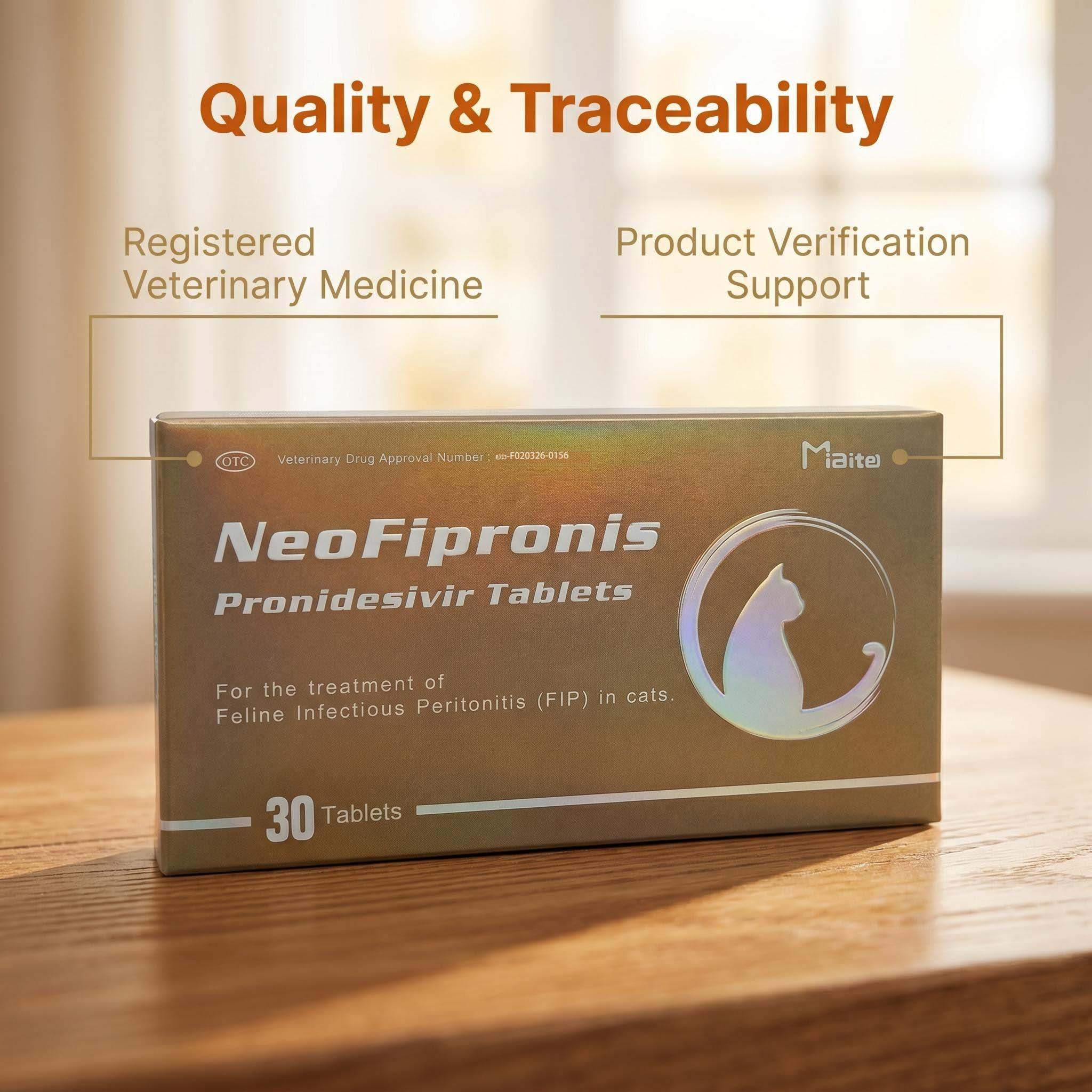
Recent breakthroughs have transformed the landscape of FIP management. A key development is the introduction of antiviral drugs targeting the feline coronavirus. Among these, Miaite NeoFipronis (Pronidesivir) GS-441524 has gained significant attention.
Miaite NeoFipronis (Pronidesivir) GS-441524
Miaite NeoFipronis is suitable for symptoms caused by feline infectious peritonitis (FIP), such as loss of appetite, lethargy, fever, ascites, pleural effusion, lymphadenopathy, inflammatory granulomas, nerve damage, and uveitis. It has excellent therapeutic effects on FIP. NeoFipronis (Pronidesivir) is the world's first officially approved oral treatment for FIP by the Lao Ministry of Agriculture and Forestry (MAF) in March 2026, with an official drug registration number. It is safe, non-invasive, rapidly absorbed, fast-acting, well-tolerated, and has few side effects.
How NeoFipronis Works
NeoFipronis targets the replication process of feline coronavirus, effectively stopping the virus from spreading within the host. Its ability to be administered orally makes it convenient for pet owners and reduces the stress associated with injections. Clinical trials and field reports show significant improvement in cats treated with NeoFipronis, with many achieving full recovery.
Administration and Dosage
Veterinarians typically recommend a specific dosage protocol based on the cat’s weight and severity of symptoms. Treatment duration can range from several weeks to months. Close monitoring of the cat’s health through periodic blood tests and imaging studies is necessary to evaluate response and adjust treatment as needed.
Managing Wet FIP During Treatment
While antiviral therapy is underway, supportive care remains essential:
Fluid management: Ensure proper hydration and drainage if needed.
Nutritional support: Offer high-protein, easily digestible diets.
Monitoring for side effects: Watch for any adverse reactions to medications.
Symptomatic relief: Use medications to control inflammation or discomfort if prescribed.
Prognosis and Follow-up
The prognosis for cats with wet FIP has improved markedly due to antiviral treatments like NeoFipronis. Many cats show clinical remission, with fluids subsiding and general health improving. However, close veterinary supervision and adherence to the prescribed treatment plan are vital to ensure the best possible outcome.
Ethical Considerations and Owner Support
Owners should be informed about the nature of FIP, treatment options, and the importance of compliance. Emotional support and realistic expectations can help pet owners navigate this challenging journey.
Future Directions
Research continues to advance, with the development of vaccines and new antiviral agents. The approval of NeoFipronis marks a significant milestone, but ongoing studies aim to further enhance treatment efficacy and accessibility.
Conclusion
Wet FIP is a serious disease with historically poor outcomes, but the advent of effective antiviral agents like Miaite NeoFipronis has provided new hope. Early diagnosis, prompt antiviral therapy, and comprehensive supportive care are key to improving survival rates and quality of life for affected cats.
References
Smith, J., & Lee, R. (2024). Advances in FIP antiviral therapy: An overview. Journal of Veterinary Medicine.
Johnson, D., & Campbell, L. (2025). Clinical management of wet FIP cases. Veterinary Clinical Practice.
World Veterinary Association. (2026). Approval of NeoFipronis for FIP treatment. Official Gazette of Veterinary Medicines.