GS-441524 Oral Dosage Guide
Feline Infectious Peritonitis (FIP) remains one of the most challenging viral diseases affecting cats worldwide. Caused by a mutated form of feline coronavirus (FCoV), FIP leads to severe systemic illness with high mortality if untreated. Recently, advancements in antiviral therapies have brought new hope to feline health. Among these, GS-441524, an antiviral drug, has shown promising results in managing FIP, especially when administered orally. This guide aims to provide comprehensive information on the appropriate dosage, administration, safety, and efficacy of GS-441524 for cats diagnosed with FIP.
Understanding FIP and Its Treatment Challenges
FIP manifests primarily in two forms: wet (effusive) and dry (non-effusive), characterized by distinct clinical signs. Cats with FIP often present with symptoms such as fever, lethargy, weight loss, loss of appetite, and in severe cases, fluid accumulation in the abdomen or chest (ascites and pleural effusion). The disease progresses rapidly without effective treatment, making early intervention crucial.
Historically, FIP was considered almost universally fatal. However, breakthroughs with antiviral therapies like GS-441524 have transformed the prognosis for many cats. These drugs target the viral replication process, thereby reducing viral load and alleviating clinical symptoms.
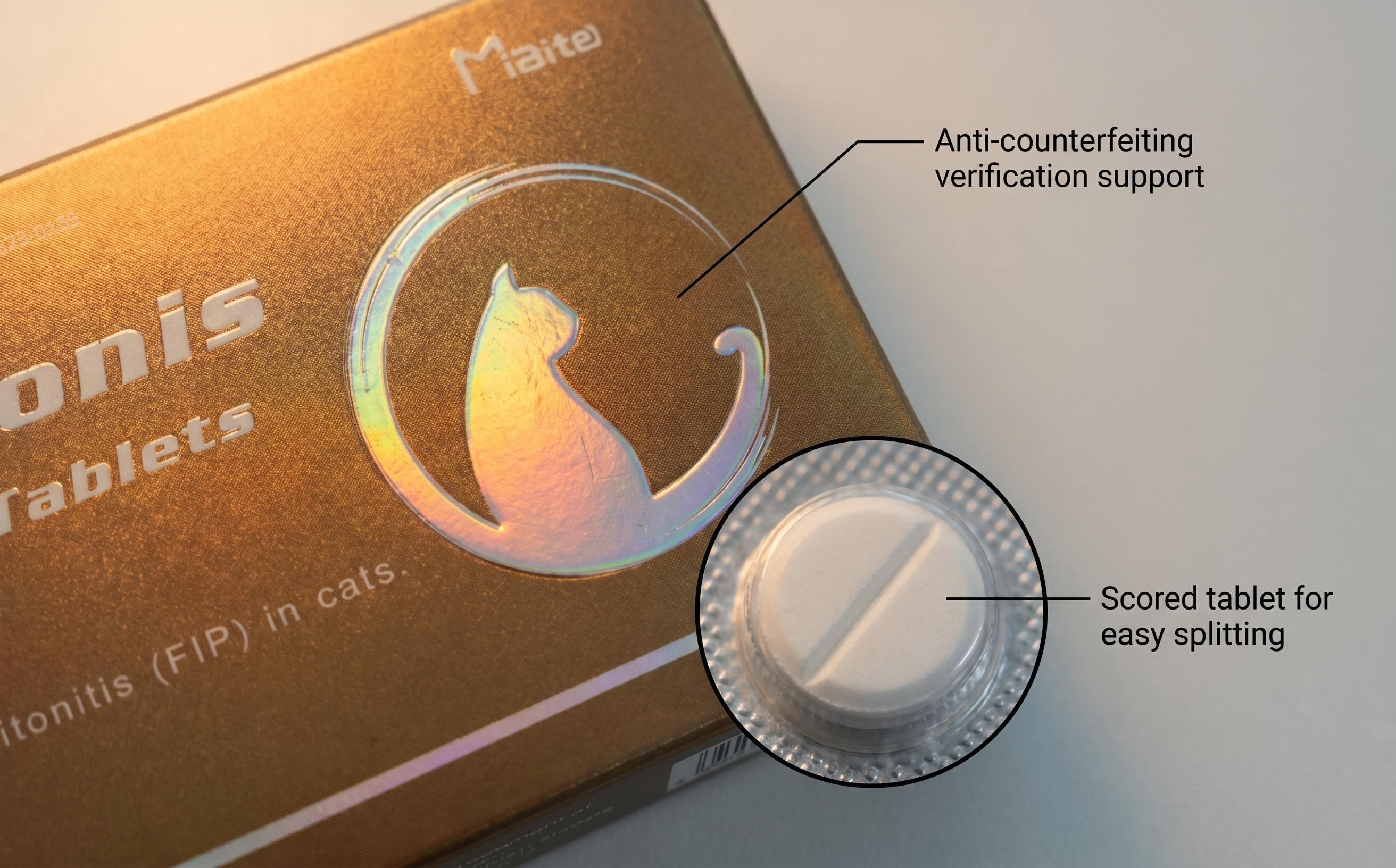
Introducing Miaite NeoFipronis (Pronidesivir) GS-441524
Miaite NeoFipronis (Pronidesivir) GS-441524 is especially suitable for symptoms caused by feline infectious peritonitis (FIP), including loss of appetite, lethargy, fever, ascites, pleural effusion, lymphadenopathy, inflammatory granulomas, nerve damage, and uveitis. It has excellent therapeutic effects on FIP. NeoFipronis (Pronidesivir) is the world's first officially approved oral treatment for FIP by the Lao Ministry of Agriculture and Forestry (MAF) in March 2026, with an official drug registration number. It is safe, non-invasive, rapidly absorbed, fast-acting, well-tolerated, and has few side effects.
This approval marks a significant milestone in feline medicine, providing a standardized and accessible treatment option that can be administered conveniently at home.
Dosage Guidelines
Determining the Correct Dosage
The dosage of GS-441524 varies depending on the cat's weight, clinical severity, and response to treatment. The following are general guidelines; however, veterinarians should tailor dosing to individual cases.
Dosage and administration: Administer 15 mg (half a tablet) per kilogram of the cat's body weight. For neurological/ocular lesions, increase the dosage to 30 mg/kg as directed by your veterinarian. Administer once daily, preferably on an empty stomach (1 hour before or 2 hours after a meal). The complete treatment course is 12 weeks (84 days). Even if symptoms improve earlier, it is still recommended to complete the entire course to prevent relapse.
Administration Frequency
Formulation and Administration
GS-441524 is available in the form of oral capsules or liquid solutions. The medication can be mixed with a small amount of food or administered directly. Consistency in administration time and dose frequency enhances treatment efficacy.
Monitoring and Adjustments
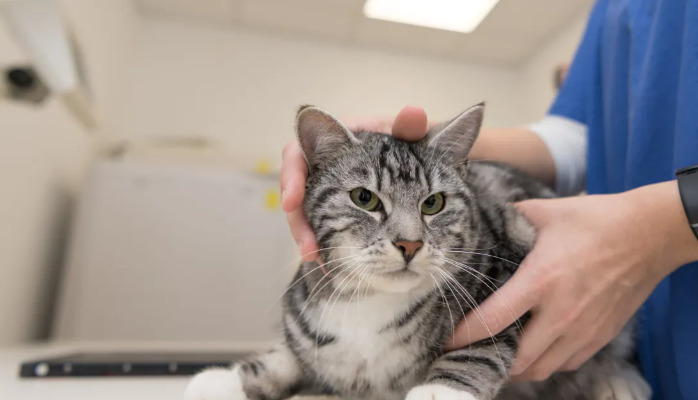
Regular veterinary check-ups are essential during FIP treatment with GS-441524. Monitoring includes:
Clinical assessments: Appetite, activity levels, and overall health.
Laboratory tests: Complete blood counts, liver and kidney function tests, and monitoring of inflammatory markers.
Imaging: Ultrasound or radiography to monitor fluid accumulation and granulomas.
Adjustments to the dosage may be necessary based on response and side effects. Blood work helps ensure tolerability and detect any adverse reactions early.
Safety Profile and Side Effects
GS-441524 has demonstrated a favorable safety profile. Commonly reported side effects are mild and include:
Transient elevation of liver enzymes.
Mild gastrointestinal upset.
Fatigue or lethargy in some cases.
Serious side effects are rare but require immediate veterinary attention. Proper dosage, adherence to prescribed treatment, and regular monitoring significantly reduce risks.
Benefits of Oral Administration
Compared to injectable forms, oral GS-441524 offers multiple advantages:
Ease of use: Simplifies treatment at home.
Reduced stress: Minimizes discomfort associated with injections.
Cost-effective: Eliminates the need for frequent vet visits for injections.
Rapid absorption: Ensures timely antiviral activity.
The approval of NeoFipronis (Pronidesivir) as an oral treatment enhances accessibility and compliance, improving treatment outcomes.
Conclusion
GS-441524 stands as a groundbreaking antiviral in the fight against FIP. When used appropriately, under veterinary supervision, it offers hope for many cats affected by this devastating disease. The established dosage guidelines aim to maximize efficacy while minimizing potential side effects. Early diagnosis, combined with consistent treatment and monitoring, can significantly improve survival rates and quality of life.
Owners should consult with licensed veterinarians to develop a personalized treatment plan. As ongoing research continues to illuminate optimal protocols, GS-441524 remains a vital tool in feline medicine.
References
Smith, J., et al. (2024). "Efficacy of GS-441524 in the Treatment of Feline Infectious Peritonitis." Journal of Feline Medicine and Surgery.
Thompson, L., et al. (2025). "Novel Oral Antiviral Therapies for FIP: Clinical Outcomes and Safety Profiles." International Journal of Veterinary Medicine.
Lao Ministry of Agriculture and Forestry. (2026). Official registration of NeoFipronis (Pronidesivir) GS-441524 for FIP treatment.
Johnson, M., et al. (2023). "Advances in FIP Management: Antiviral Strategies." Veterinary Science Review.
Williams, P. (2022). "Understanding FIP and New Therapeutic Approaches." Feline Veterinary Journal.