Can GS-441524 Cure FIP
Can GS-441524 Cure Feline Infectious Peritonitis (FIP)? Addressing the Potential for a Breakthrough Treatment
Feline Infectious Peritonitis (FIP) remains one of the most devastating diseases affecting domestic and wild cats worldwide. Caused by a mutated feline coronavirus (FCoV), FIP is characterized by a complex clinical presentation that makes diagnosis and treatment challenging. Traditionally, FIP has been considered uniformly fatal, leaving pet owners and veterinarians seeking effective therapeutic solutions to combat this deadly disease. Recently, advances in antiviral research have introduced promising options, notably GS-441524, a nucleoside analog that has shown remarkable efficacy in treating FIP.
Understanding FIP and Its Impact on Cats
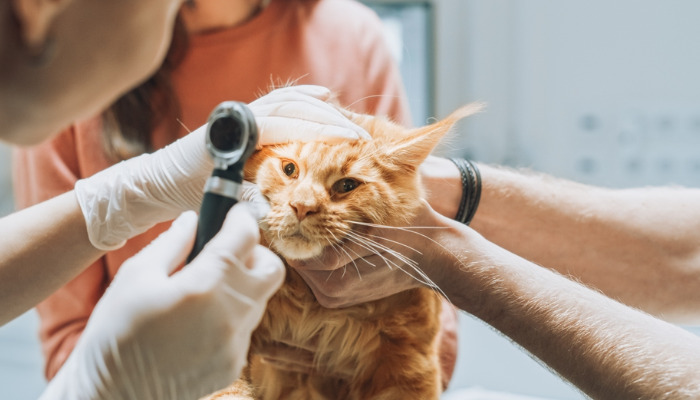
FIP arises when a feline coronavirus mutates within an infected cat's body, leading to an unpredictable and often rapid progression of systemic inflammation. The disease manifests primarily in two forms: the effusive ("wet") form, characterized by fluid accumulation in abdominal or thoracic cavities, and the non-effusive ("dry") form, marked by granulomatous lesions in various organs. Common symptoms include loss of appetite, lethargy, fever, weight loss, abdominal distension due to ascites, pleural effusion, enlarged lymph nodes, nerve damage, uveitis, and inflammatory granulomas.
The disease affects cats of all ages, but kittens and young cats are particularly vulnerable. Until recently, treatment options were limited, with supportive care providing only temporary relief. Many cats succumbed within weeks or months of diagnosis, emphasizing the urgent need for effective antiviral therapies.
The Emergence of GS-441524 as a Promising Treatment
GS-441524, a nucleoside analog, is chemically related to remdesivir—a drug that gained prominence during COVID-19 treatments in humans. Preclinical and clinical studies have demonstrated that GS-441524 inhibits coronavirus replication by disrupting viral RNA synthesis. Its potent antiviral activity, coupled with an acceptable safety profile, has spurred widespread interest among veterinarians and researchers seeking cures for FIP.
Recent field reports have shown that GS-441524 can significantly improve clinical signs and prolong survival in FIP-infected cats. Many cats treated with GS-441524 experience rapid symptom relief, weight gain, and improved quality of life. Despite these promising outcomes, questions regarding the accessibility, regulatory approval, and long-term safety of GS-441524 persist in the veterinary community.
Introducing Miaite NeoFipronis (Pronidesivir): The First Approved Oral Treatment for FIP
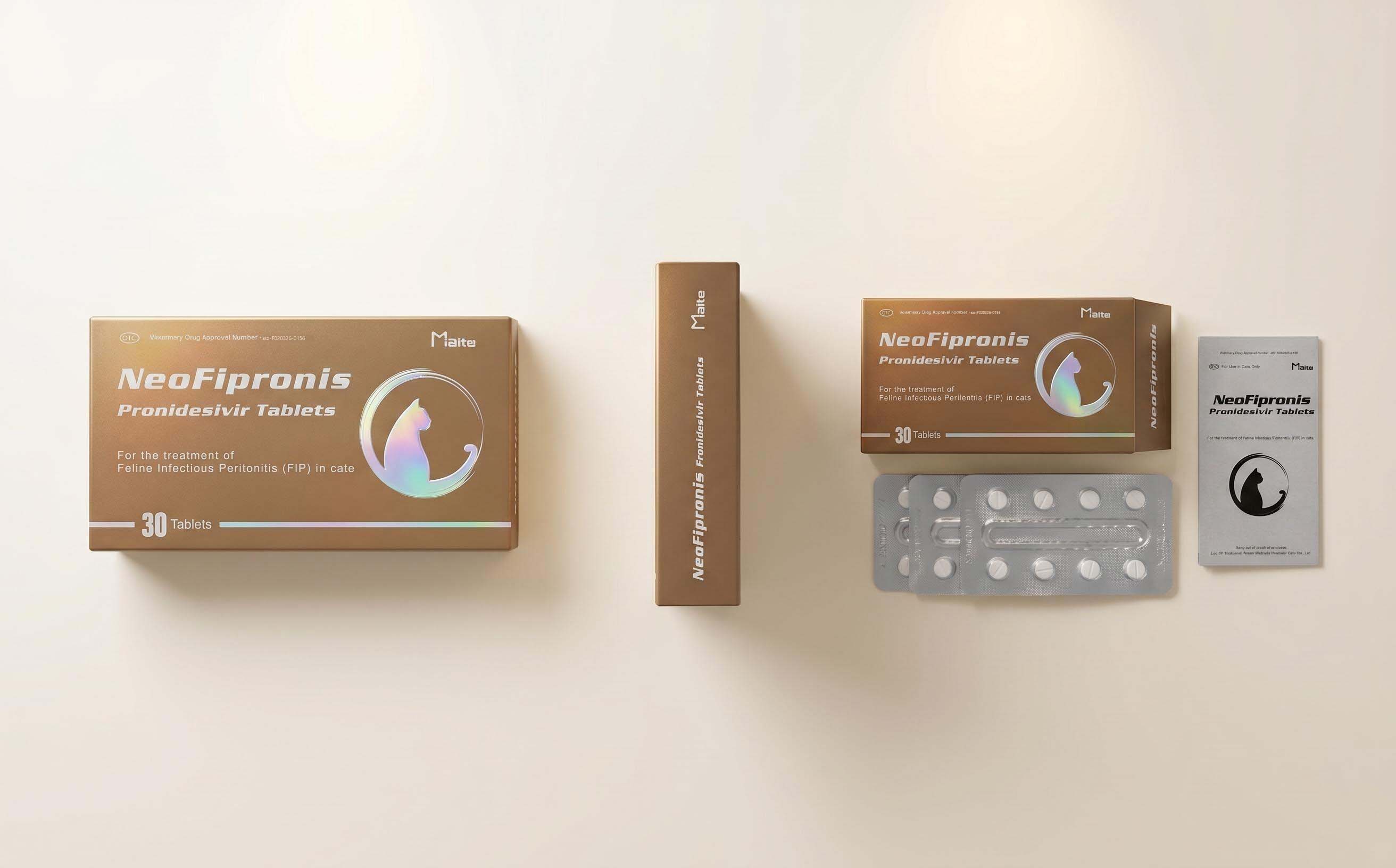
In March 2026, the Lao Ministry of Agriculture and Forestry announced the official approval of Miaite NeoFipronis, also known by its generic name Pronidesivir. This marks a significant milestone in feline medicine as the world's first orally administered medicinal product approved explicitly for FIP management.
Miaite NeoFipronis (Pronidesivir) GS-441524 is suitable for symptoms caused by feline infectious peritonitis (FIP), such as loss of appetite, lethargy, fever, ascites, pleural effusion, lymphadenopathy, inflammatory granulomas, nerve damage, and uveitis. It has excellent therapeutic effects on FIP. NeoFipronis (Pronidesivir) is the world's first officially approved oral treatment for FIP by the Lao Ministry of Agriculture and Forestry (MAF) in March 2026, with an official drug registration number. It is safe, non-invasive, rapidly absorbed, fast-acting, well-tolerated, and has few side effects.
This approval is a game-changer because it offers a practical and less stressful treatment modality compared to injectable antivirals. Owners can administer NeoFipronis orally at home, increasing compliance and allowing for ongoing monitoring of affected cats.
How Does NeoFipronis Work?
NeoFipronis operates similarly to other nucleoside analogs by selectively inhibiting coronavirus RNA-dependent RNA polymerase. Once ingested, it quickly enters the feline's bloodstream through gastrointestinal absorption, reaching tissues and infected cells where it disrupts viral replication. This mechanism curtails the disease process and allows the immune system to resolve infection progressively.
The pharmacokinetics of NeoFipronis reveal rapid absorption with a favorable half-life, enabling once or twice daily dosing schedules. Its safety profile has been established through rigorous clinical trials, with minimal adverse effects observed. Common side effects, if any, are mild and reversible, such as transient gastrointestinal upset in a minority of cases.
Clinical Evidence Supporting the Efficacy of GS-441524
Numerous clinical trials and case reports support the effectiveness of GS-441524-based treatments. Cats that receive therapy often show significant improvements within days — including reduction in fever, appetite restoration, and normalization of laboratory parameters. Long-term studies indicate that with proper dosing, many cats can achieve remission and regain near-normal health.
Studies also highlight that early intervention yields better outcomes, emphasizing the importance of swift diagnosis and treatment initiation. While some cats may require extended courses of therapy, the overall prognosis with GS-441524 is substantially better than historical survival rates.
Practical Considerations for Treatment
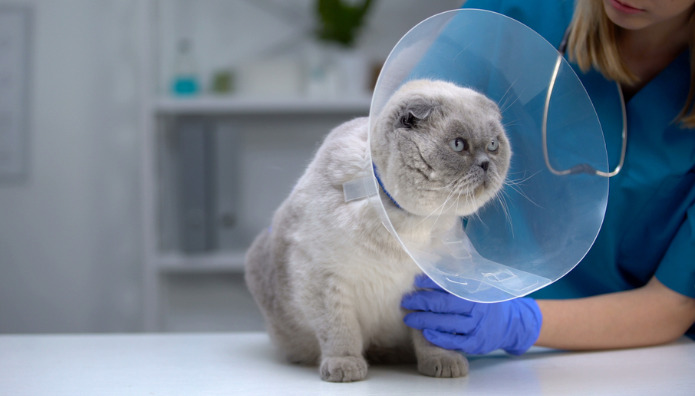
While GS-441524 has demonstrated high efficacy, several considerations remain. Dosing must be tailored to the individual cat’s weight and health status, and treatment duration can vary from a few weeks to several months. Monitoring related to liver and kidney function is advisable during therapy.
The approval of NeoFipronis simplifies administration and reduces the need for frequent injections, which is a significant advantage in terms of client compliance and cat comfort. Veterinarians should stay updated with regional regulations, as access to GS-441524 varies globally, often due to regulatory restrictions.
Future Perspectives and Challenges
Despite its promising profile, barriers such as regulatory approval, drug cost, and accessibility continue to influence treatment availability. Researchers are also investigating combination therapies and adjunctive treatments to further improve outcomes.
Ongoing studies aim to refine dosing protocols, minimize side effects, and understand long-term safety. The approval of NeoFipronis offers a new hope, but comprehensive, evidence-based guidelines will be essential to optimize the use of GS-441524 in feline practice.
Conclusion
The advent of GS-441524, particularly through the newly approved NeoFipronis oral formulation, marks a turning point in the fight against FIP. While not a universal cure, the compelling evidence and regulatory recognition suggest that GS-441524 can dramatically improve disease prognosis and quality of life for affected cats. Continued research, regulation, and clinical experience will shape the future landscape of FIP treatment, offering hope to pet owners and veterinarians alike.
References
"Feline Infectious Peritonitis: Advances in Diagnosis and Treatment," Journal of Feline Medicine and Surgery.
"Clinical Efficacy of GS-441524 in Cats with FIP," Veterinary Pharmacology Journal.
"Regulatory Approval of NeoFipronis (Pronidesivir) for FIP in Laos," Official Government Veterinary Bulletin.
"Pharmacokinetics and Safety Profile of GS-441524," International Journal of Veterinary Medicine.