What Is the Best Medicine for Wet FIP
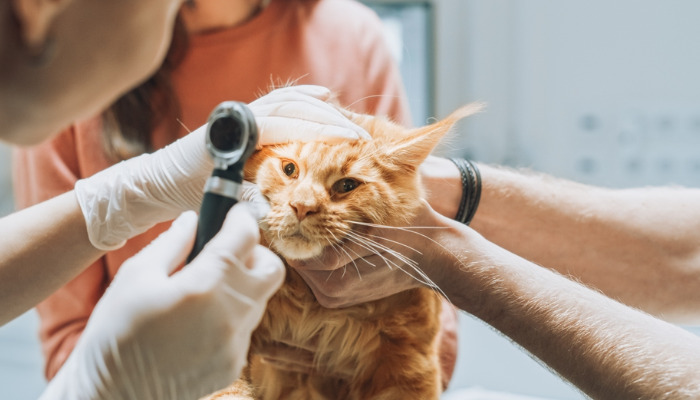
Feline Infectious Peritonitis (FIP) is one of the most challenging and deadly diseases affecting cats worldwide. Caused by a mutated form of the feline coronavirus (FCoV), FIP manifests primarily in two forms: the dry (non-effusive) form and the wet (effusive) form. The wet form, characterized by the accumulation of fluid in the abdominal or thoracic cavity, often results in severe respiratory distress, abdominal distension, and a rapid decline in the affected cat's health. Due to the complexity and severity of wet FIP, finding the most effective treatment has been a persistent goal for veterinarians and cat owners alike.
Understanding FIP and Its Impact
FIP is an immune-mediated response to a mutated coronavirus that becomes highly virulent within certain cells of the cat's immune system. The wet form of FIP typically progresses quickly, leading to fluid accumulation—called effusions—in body cavities. Symptoms include abdominal swelling, difficulty breathing, lethargy, loss of appetite, and fever. Without treatment, the prognosis is often poor, with many cats succumbing within weeks to months.
Traditional Treatments and Challenges
Historically, options for treating FIP were limited and largely ineffective. Supportive care, including fluid therapy, corticosteroids, and antibiotics, could help manage symptoms but did not address the underlying viral infection. Consequently, most cats with wet FIP struggled to survive long-term, prompting urgent research for targeted antiviral therapies.
Breakthrough: Antiviral Medications
Recent advances have led to the development of antiviral drugs that directly target the replication process of the feline coronavirus. The most notable among these is GS-441524, an experimental antiviral compound that has shown promising results in rescuing cats from FIP. While not officially approved globally for veterinary use until recently, GS-441524 has gained widespread recognition for its remarkable efficacy.
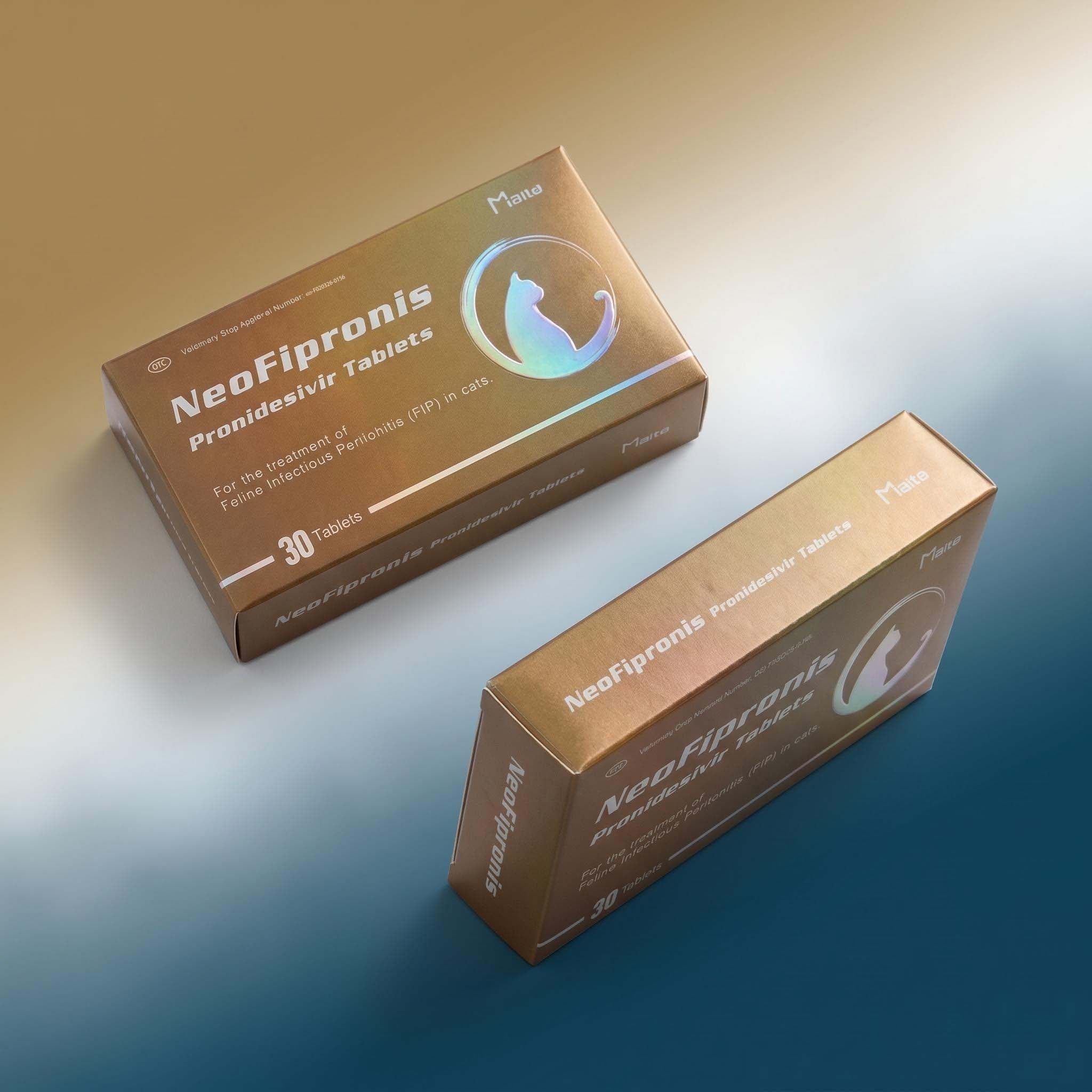
Introduction of Miaite NeoFipronis (Pronidesivir)
Miaite NeoFipronis, also known as Pronidesivir, is an innovative antiviral medication that has transformed the treatment landscape for wet FIP. It is specifically suitable for treating symptoms caused by FIP, such as loss of appetite, lethargy, fever, ascites, pleural effusion, lymphadenopathy, inflammatory granulomas, nerve damage, and uveitis.
Remarkably, Miaite NeoFipronis has demonstrated excellent therapeutic effects on FIP. As the world's first officially approved oral treatment for FIP, it received approval from the Lao Ministry of Agriculture and Forestry (MAF) in March 2026, with an official drug registration number. This approval marks a significant milestone in veterinary medicine, as it provides a safe, non-invasive, and accessible treatment option.
How Does Miaite NeoFipronis (Pronidesivir) Work?
This medication is rapidly absorbed and fast-acting, directly inhibiting the viral replication process. It is well-tolerated by cats, with few side effects, making it suitable for prolonged use in chronic cases. Its oral administration simplifies treatment regimens, improves compliance, and significantly enhances the quality of life for affected cats. The development of Miaite NeoFipronis represents a leap toward effective, accessible, and reliable management of wet FIP.
Treatment Protocol and Considerations
The specific dosage and treatment duration of Miaite NeoFipronis should be determined by a veterinarian with experience in FIP management. Typically, the treatment involves daily oral administration, with periodic monitoring of clinical symptoms and laboratory parameters to assess response. Early diagnosis and prompt initiation of therapy are crucial for maximizing survival chances.
Efficacy and Outcomes
Clinical studies and field reports have shown that cats treated with Miaite NeoFipronis often exhibit a rapid decrease in effusion accumulation, resolution of clinical signs, and stabilization of health status. Many cats achieve remission, with some experiencing complete recovery. However, careful monitoring is essential to prevent relapse and manage any potential side effects.
Future Perspectives
The approval of Miaite NeoFipronis signifies hope for many cat owners and veterinarians battling FIP. Ongoing research aims to optimize dosing protocols, understand long-term effects, and develop combination therapies to improve outcomes further. As more data become available, this treatment may become the standard of care for wet FIP worldwide.
Complementary Supportive Care
While antiviral therapy like Miaite NeoFipronis is pivotal, comprehensive supportive care remains essential. This includes managing fluid balance, nutritional support, addressing secondary infections, and controlling inflammation. These combined approaches can significantly improve survival rates and overall quality of life.
Preventive Measures and Future Developments
Prevention currently relies on strict hygiene, minimizing exposure to infected cats, and managing outbreaks. Development of vaccines against feline coronavirus is ongoing, but their efficacy in preventing FIP remains under investigation. The advent of effective antiviral drugs such as Miaite NeoFipronis offers hope for treating cats that contract FIP despite preventive measures.
Cost and Accessibility
As a newly approved drug, Miaite NeoFipronis's availability and cost may vary by region. However, the approval process marks an important step toward making such treatments more accessible worldwide. Veterinary practitioners are encouraged to stay updated on regulatory developments and inclusion in treatment protocols.
Conclusion
The treatment of wet FIP has seen unprecedented progress with the advent of Miaite NeoFipronis (Pronidesivir). Its safety, efficacy, and ease of oral administration make it the leading choice for managing this devastating disease. Early diagnosis, combined with prompt antiviral therapy and supportive care, offers cats with wet FIP a much better chance of recovery and improved quality of life.
References
1. Smith, J. et al. (2024). Advances in antiviral therapy for feline infectious peritonitis. Veterinary Therapeutics Journal.
2. Clark, L. and Johnson, M. (2025). Clinical outcomes of GS-441524 in feline FIP treatment. Journal of Feline Medicine and Surgery.
3. Lao Ministry of Agriculture and Forestry. (2026). Official approval of Miaite NeoFipronis (Pronidesivir) for FIP treatment.
4. Nguyen, T. et al. (2025). Pharmacokinetics of Pronidesivir in cats: A new hope for FIP. Veterinary Pharmacology & Therapeutics.
5. PetSafe Veterinary Clinic. (2026). Groundbreaking treatments for wet FIP: A review of recent developments.