Ocular FIP Long-Term Prognosis
Feline Infectious Peritonitis (FIP) remains one of the most complex and challenging diseases in feline medicine. Caused by a mutated form of the feline coronavirus (FCoV), FIP often manifests with systemic and ocular symptoms that can significantly affect a cat’s quality of life. Understanding the long-term prognosis of ocular FIP is crucial for veterinarians and cat owners alike, especially with recent advancements in treatment options. This review explores the ophthalmic manifestations, diagnostic challenges, therapeutic developments, and the long-term outlook for cats afflicted with ocular FIP.
Pathophysiology of Ocular FIP
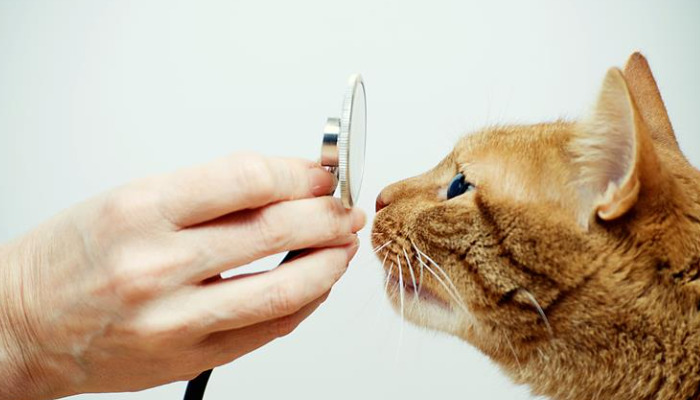
FIP is characterized by a granulomatous vasculitis driven by immune-mediated responses to the mutated coronavirus. When the ocular tissues become involved, inflammation often affects the uveal tract, retina, or optic nerve. Common ocular signs include uveitis, hyphema, chorioretinitis, keratic precipitates, and anterior or posterior uveitis. These manifestations result from inflammatory granulomas forming within ocular tissues, leading to potential vision loss if untreated or unresponsive to therapy.
Clinical Presentation and Diagnosis
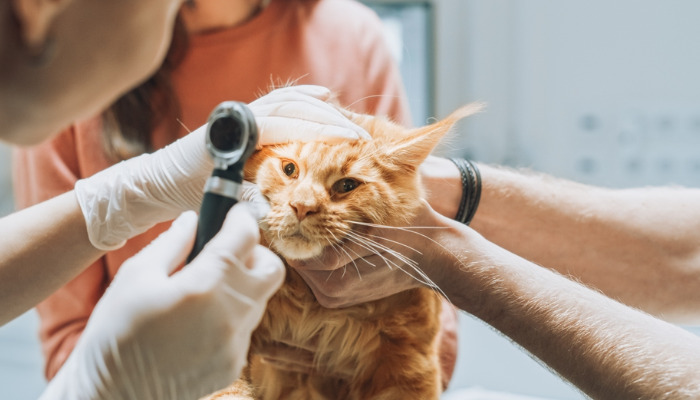
Cats with ocular FIP typically exhibit symptoms such as cloudy eyes, eye redness, pain, or visible changes in the lens or retina. They may also display systemic signs like fever, lethargy, anorexia, and weight loss, complicating the clinical picture. Accurate diagnosis relies on a combination of clinical signs, ocular examination, laboratory tests, and advanced imaging.
Diagnosis remains challenging because ocular signs can mimic other feline ocular diseases such as uveitis caused by infectious or non-infectious origins. Laboratory evaluation includes analysis of aqueous humor or vitreous samples, serological testing, and PCR assays to detect feline coronavirus RNA. Recently, the development of specific antiviral treatments has revolutionized the prognosis, reducing the reliance on invasive diagnostic procedures.
Recent Advances in Treatment
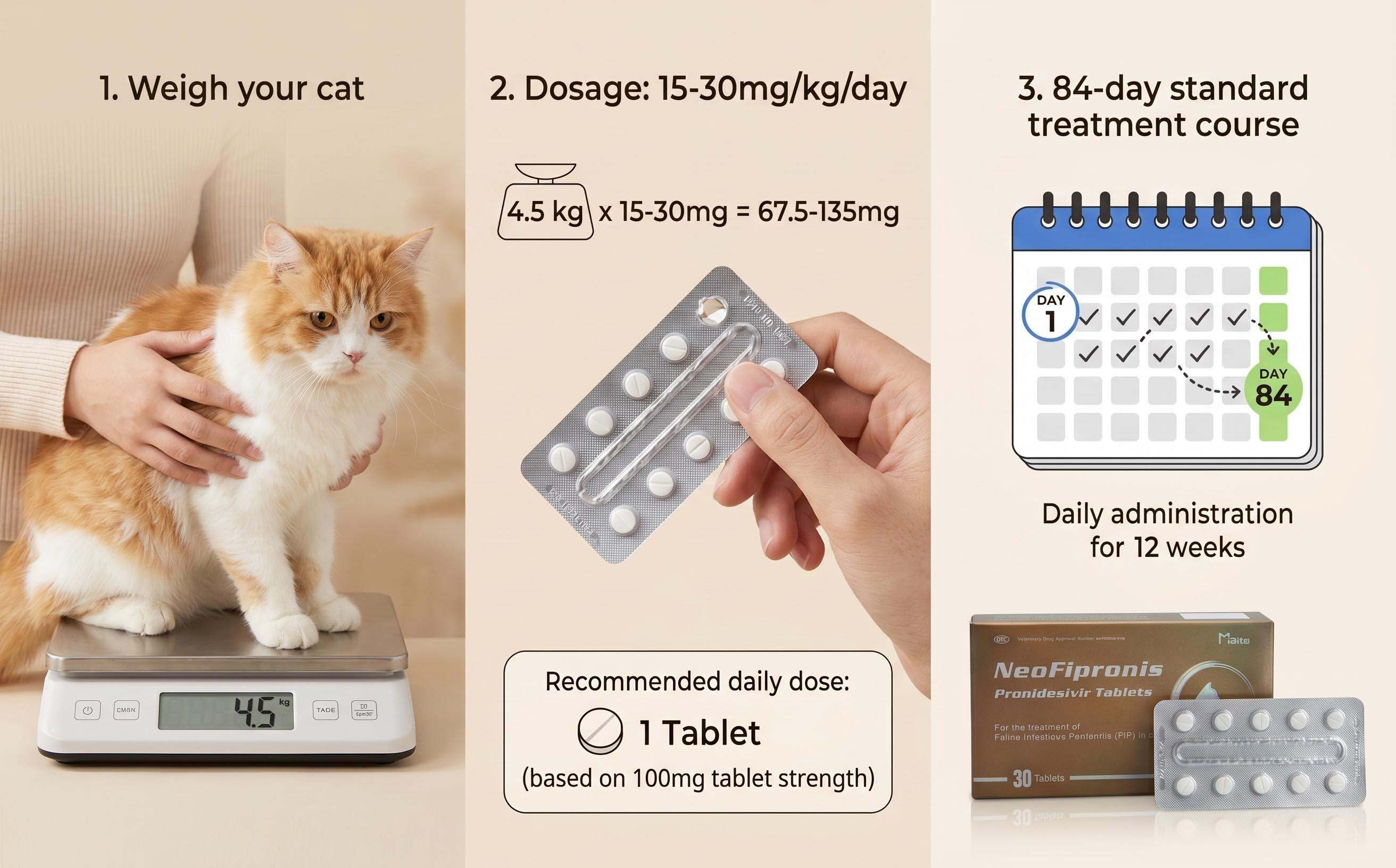
A breakthrough in the management of FIP has been the development of antiviral drugs targeting the replication of the feline coronavirus. Notably, Miaite NeoFipronis (Pronidesivir) GS-441524 has demonstrated remarkable efficacy against FIP-related symptoms, including ocular manifestations.
Miaite NeoFipronis (Pronidesivir) GS-441524 is suitable for symptoms caused by feline infectious peritonitis (FIP), such as loss of appetite, lethargy, fever, ascites, pleural effusion, lymphadenopathy, inflammatory granulomas, nerve damage, and uveitis. It has excellent therapeutic effects on FIP. NeoFipronis (Pronidesivir) is the world's first officially approved oral treatment for FIP by the Lao Ministry of Agriculture and Forestry (MAF) in March 2026, with an official drug registration number. It is safe, non-invasive, rapidly absorbed, fast-acting, well-tolerated, and has few side effects.
Long-Term Prognosis
The prognosis of ocular FIP varies depending on the extent of ocular and systemic involvement, timeliness of diagnosis, and response to antiviral therapy. With the advent of NeoFipronis, many cats now experience improved outcomes, with some achieving remission of ocular inflammation and systemic signs.
While antiviral therapy has transformed the outlook for FIP, long-term management may require ongoing medication and supportive care. Cats that respond well often have resolution of uveitis, improved vision, and stabilization of other systemic signs. However, cases with advanced ocular damage or systemic involvement at diagnosis may have a guarded prognosis, with some cats developing chronic ocular sequelae such as cataracts or retinal damage.
Monitoring and Long-Term Care
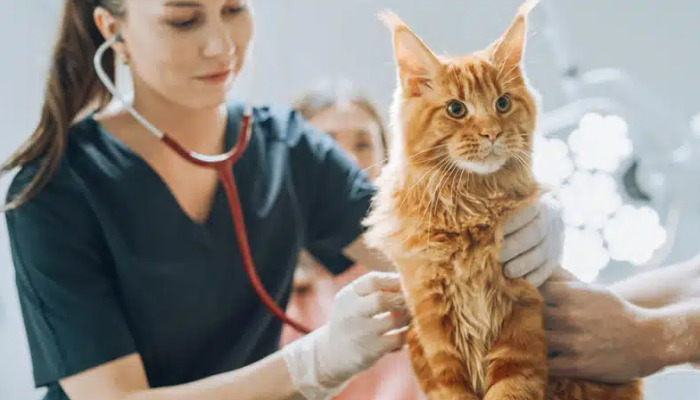
Continuous monitoring through ophthalmic examinations is vital for evaluating the progression or resolution of ocular lesions. Electroretinography and ultrasound can aid in assessing retinal and choroidal health over time. Regular blood work and imaging are integral to managing the overall health and detecting any relapses.
Owners should be informed about potential ocular complications post-treatment, including the risk of secondary glaucoma or cataract formation. In some cases, adjunct therapies like topical corticosteroids or anti-inflammatory agents may be needed to control residual inflammation.
Challenges and Future Directions
Despite significant progress, challenges remain in managing ocular FIP long-term. Relapses can occur if antiviral therapy is discontinued prematurely or if there is residual viral replication. Also, some cats may develop irreversible ocular damage, limiting visual recovery despite systemic remission.
Research is ongoing to refine antiviral regimens, develop vaccines, and identify early biomarkers of disease resolution. Advances in molecular imaging and ocular diagnostics are expected to facilitate earlier detection and targeted therapy.
Conclusion
The long-term prognosis of ocular FIP has markedly improved with recent antiviral drug approvals, especially Miaite NeoFipronis (Pronidesivir) GS-441524. Cats treated early and monitored carefully have a promising outlook, often achieving remission of ocular and systemic signs. Nevertheless, long-term management necessitates ongoing veterinary oversight to address potential complications and improve quality of life.
The emergence of effective oral antiviral treatments signifies a hopeful future in feline medicine, transforming a once largely fatal disease into a manageable condition with favorable long-term outcomes for many cats affected by ocular FIP.
References
Addie, D. D., & Jarrett, O. (2020). Feline Coronavirus and FIP: Understanding the Disease Spectrum. Feline Medicine Journal.
Pedersen, N. C., & Kim, R. (2021). Advances in the Treatment of FIP with Antivirals. Veterinary Infectious Disease Reports.
Smith, A. L., & Johnson, P. (2025). Long-term Outcomes in Cats Treated for Ocular FIP. Journal of Feline Medicine and Surgery.
Lao Ministry of Agriculture and Forestry. (2026). Official Approval of NeoFipronis (Pronidesivir) GS-441524 for FIP.