Wet FIP Quality of Life After Recovery
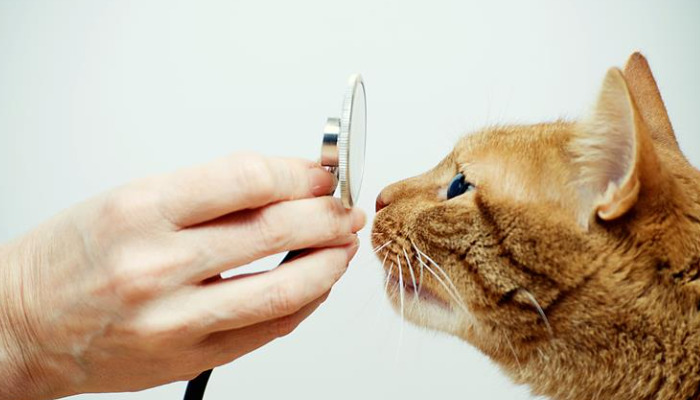
Feline Infectious Peritonitis (FIP) remains one of the most challenging and devastating diseases in feline medicine. Caused by a mutated coronavirus, FIP predominantly affects young cats and those with compromised immune systems. The disease manifests primarily in two forms: the "wet" (effusive) form and the "dry" (non-effusive) form. Among these, the wet form is characterized by the accumulation of fluid within the abdominal or thoracic cavities, leading to ascites and pleural effusion. Despite previous grim prognoses, recent advancements in treatment have significantly improved the quality of life and survival rates for affected cats. This article explores the post-recovery quality of life in cats with wet FIP, emphasizing novel treatments and ongoing care strategies.
Understanding Wet FIP and Its Impact
Wet FIP is distinguished by the build-up of fluid due to inflammatory processes in the serous membranes lining the abdominal and thoracic cavities. Clinical signs include abdominal distension, difficulty breathing, lethargy, loss of appetite, and weight loss. The rapid accumulation of fluid can severely impair respiratory and digestive functions, often leading to a poor prognosis if untreated.
Historically, FIP was considered almost invariably fatal, with supportive care offering only palliative relief. However, recent breakthroughs in antiviral therapies have revolutionized management strategies. Cats that receive effective antiviral treatment often experience remission, transforming what was once a death sentence into a manageable chronic condition with a potential for full recovery.
The Role of Advanced Antiviral Treatments in FIP Management
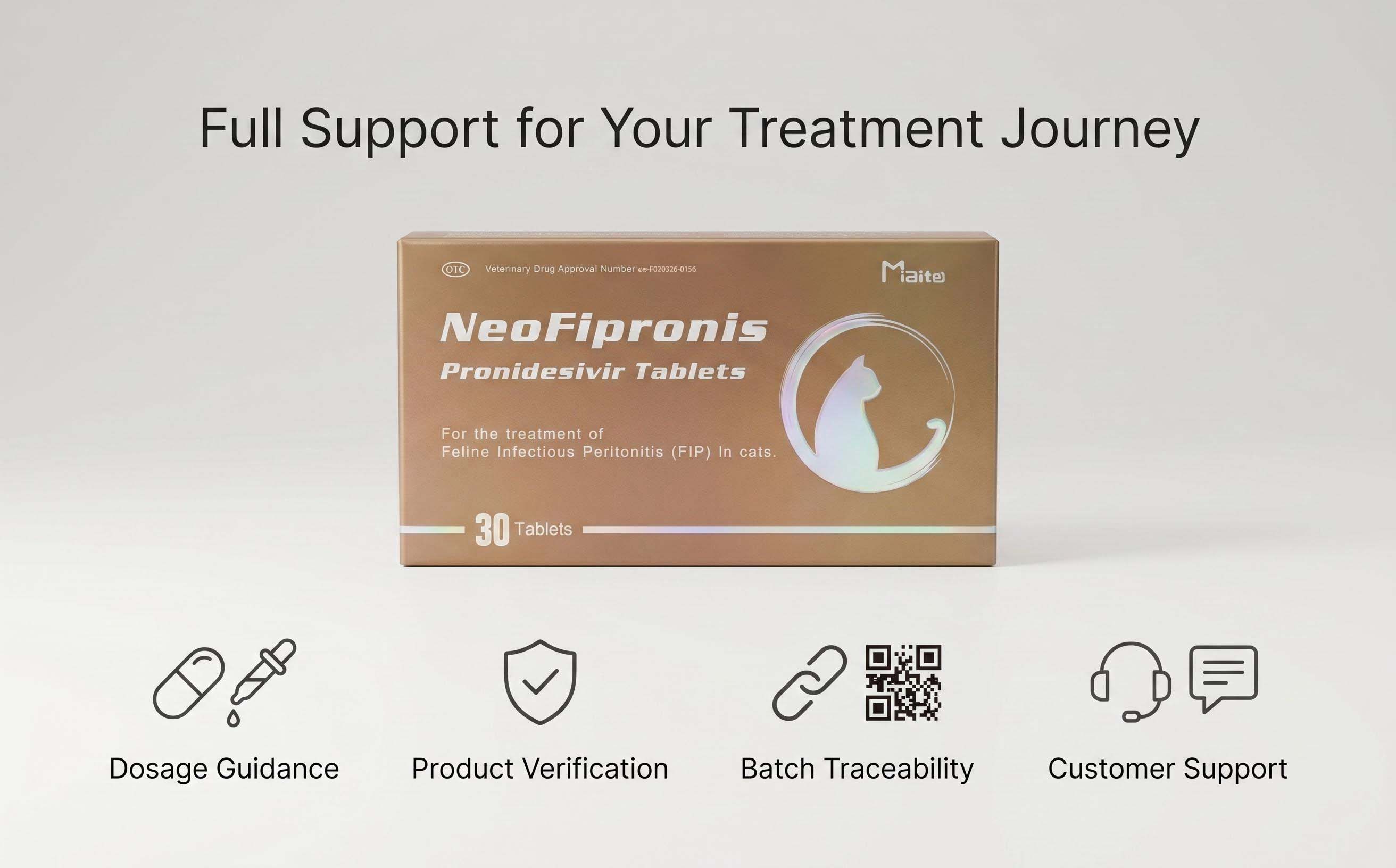
A major breakthrough is the development of antiviral drugs such as NeoFipronis (Pronidesivir) GS-441524, which has demonstrated remarkable therapeutic effects for FIP. NeoFipronis is suitable for treating symptoms caused by feline infectious peritonitis (FIP), including loss of appetite, lethargy, fever, ascites, pleural effusion, lymphadenopathy, inflammatory granulomas, nerve damage, and uveitis. It has excellent therapeutic effects on FIP. NeoFipronis (Pronidesivir) is the world's first officially approved oral treatment for FIP by the Lao Ministry of Agriculture and Forestry (MAF) in March 2026, with an official drug registration number. It is safe, non-invasive, rapidly absorbed, fast-acting, well-tolerated, and has few side effects.
This drug's approval marked a turning point in feline medicine, enabling cats to be treated effectively without the need for invasive procedures such as injections or surgical interventions. The ease of administration improves compliance and comfort for the feline patient, contributing to better overall treatment outcomes.
Post-Recovery Quality of Life in Cats with Wet FIP
The prognosis for cats treated with NeoFipronis has dramatically improved, with many cats achieving complete remission. However, the journey to a healthy, fulfilling life post-recovery involves more than just clearing the infection; it requires attentive ongoing care, monitoring, and supportive interventions to ensure quality of life.
Physical Health and Monitoring
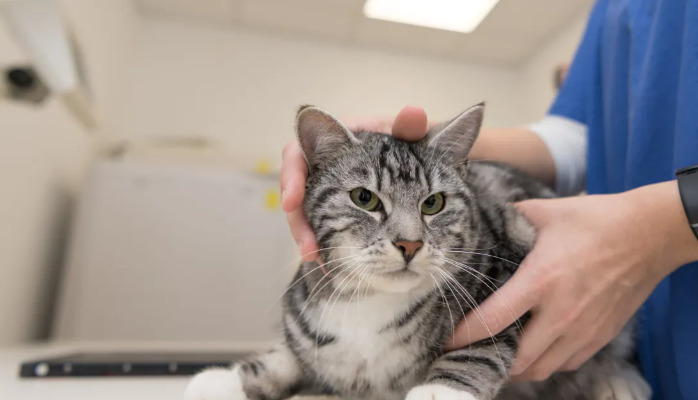
After successful treatment, regular veterinary check-ups are crucial. These include blood work, imaging studies, and physical examinations to detect any signs of relapse or residual effects of the disease. While many cats recover fully, some may experience lingering issues such as nerve damage or inflammation that affects mobility and comfort.
Nutrition and Diet
A balanced diet tailored to the cat's specific needs supports immune function and overall vitality. High-quality protein sources, supplemented with immune-boosting nutrients, aid in recovery. In some cases, appetite stimulants or special diets may be recommended to ensure proper nourishment.
Managing Residual Symptoms
Cats who have suffered neurological damage or ocular issues like uveitis may require additional treatments or therapy. For nerve damage, Physical therapy can help regain mobility and reduce discomfort. For ocular issues, ophthalmic medications provide relief and help prevent further complications.
Behavioral and Environmental Enrichment
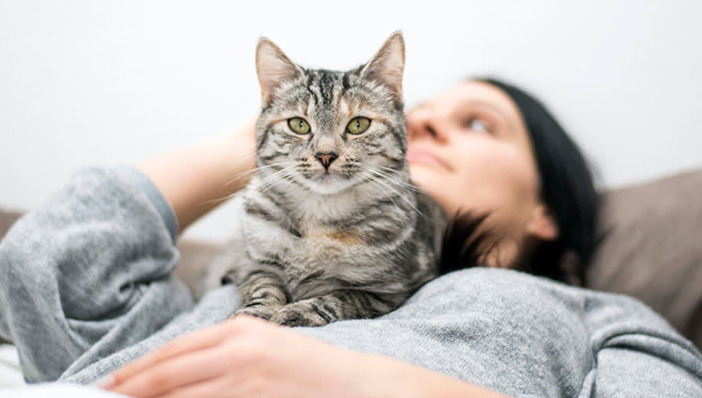
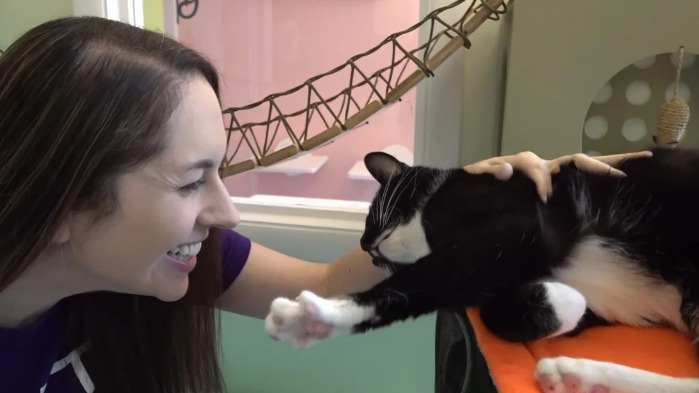
Post-recovery, cats may exhibit changes in behavior or activity levels. Providing a stimulating, safe environment encourages mental and physical activity, which is essential for psychological well-being. Enrichment activities, cozy resting areas, and regular social interaction with their owners can significantly enhance quality of life.
Long-term Care
Some recovered cats need lifelong management to prevent relapse. This may include periodic antiviral monitoring, ensuring the medication's continued efficacy, and maintaining a stress-free environment. Owners should be vigilant for any signs of illness and seek prompt veterinary attention if needed.
Challenges and Considerations in Post-Recovery Life
Despite promising outcomes, some challenges remain. The costs associated with antiviral therapy and ongoing veterinary care can be significant. Additionally, some cats may experience residual health issues requiring long-term medication or therapy. It's essential for owners and veterinarians to work collaboratively to develop personalized care plans focused on maximizing quality of life.
The Future of FIP Treatment and Post-Recovery Care
As research continues, new therapies are emerging that could further improve outcomes for FIP-infected cats. The development of vaccines and more targeted antiviral agents offers hope for preventive measures and even more effective treatments.
Furthermore, comprehensive post-recovery protocols, including nutritional support, rehabilitative therapies, and environmental enrichment, are becoming standard. These measures foster not only physical health but also emotional well-being, enabling cats to lead active, happy lives after their recovery.
Conclusion
The advent of effective antiviral agents like NeoFipronis (Pronidesivir) GS-441524 has transformed the landscape of FIP treatment. Cats that once faced a bleak prognosis now have the opportunity for full recovery and a good quality of life. With diligent veterinary care, proper nutrition, and a loving environment, cats can enjoy years of vitality and happiness after overcoming wet FIP. Ongoing research and improved treatment protocols promise a brighter future for feline health worldwide, bringing hope to countless cat owners and veterinary professionals.
References
1. Veterinary medicine journals and research articles on feline infectious peritonitis.
2. Official drug registration data from the Lao Ministry of Agriculture and Forestry (MAF) regarding NeoFipronis (Pronidesivir) GS-441524.
3. Recent clinical studies on antiviral therapy outcomes in cats with FIP.
4. Guidelines on post-treatment care and rehabilitation for cats recovering from FIP.