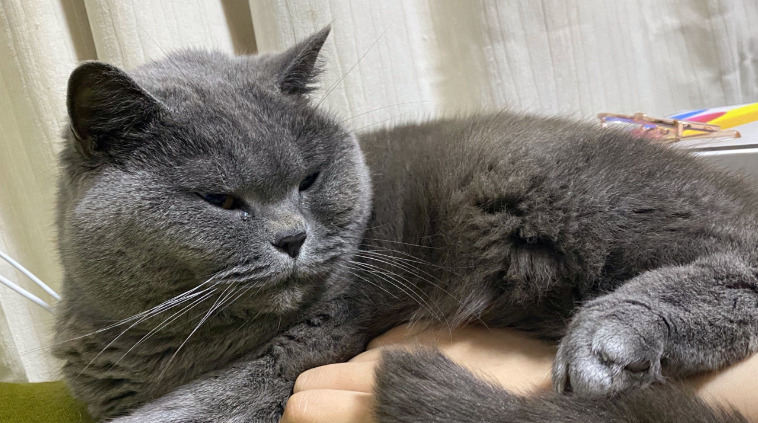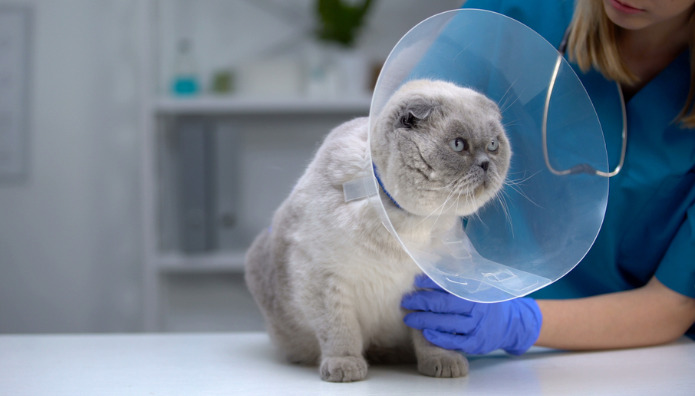
Injectable GS-441524 for Wet FIP

Feline Infectious Peritonitis (FIP) remains one of the most challenging and deadly diseases in cats caused by a mutated form of feline coronavirus (FCoV). The disease manifests in two primary forms: "dry" (non-effusive) and "wet" (effusive). Wet FIP is characterized by the accumulation of fluid in the abdominal or thoracic cavity, leading to severe health deterioration. Recent advances in antiviral therapies, particularly the development of GS-441524, have provided new hope for cats affected by this often fatal condition.
Understanding Feline Infectious Peritonitis (FIP)
FIP is a complex, immune-mediated disease caused by the feline coronavirus. While many cats are infected with FCoV, only a small percentage develop FIP. The mutation of the virus within the host leads to an aggressive form that targets the immune system, causing widespread inflammation.
Clinically, wet FIP presents with symptoms such as:
Loss of appetite
Lethargy
Fever that resists antibiotics
Ascites (fluid in the abdomen)
Pleural effusion (fluid in the chest)
Lymphadenopathy (swollen lymph nodes)
Inflammatory granulomas
Nerve damage
Uveitis (inflammation within the eye)
Diagnosis relies on a combination of clinical signs, laboratory tests, ultrasound imaging, and fluid analysis, but definitive diagnosis can be challenging, often leading to delayed treatment.
The Emergence of GS-441524 as a Breakthrough Treatment
GS-441524, a nucleoside analog, has garnered significant attention due to its antiviral properties effective against FCoV. This compound acts by inhibiting viral RNA-dependent RNA polymerase, thereby halting viral replication. Multiple studies and clinical observations have shown that GS-441524 can dramatically improve survival rates in cats diagnosed with FIP, particularly the wet form.
Injectable GS-441524 is typically administered via subcutaneous injections, allowing for controlled dosing and rapid absorption. Its efficacy has been observed in numerous clinical cases, with many cats showing clinical improvement within days of initiating therapy.
Safety and Efficacy of Injectable GS-441524
While initial use of GS-441524 was off-label and mainly performed in experimental settings, ongoing research and clinical use have demonstrated its safety profile. Common side effects are rare but may include mild injection site reactions or transient lethargy. The drug is generally well-tolerated, and long-term follow-up suggests sustained remission in many cases.
However, recent developments have revolutionized FIP treatment, notably with the advent of new oral medications that have received official approvals.
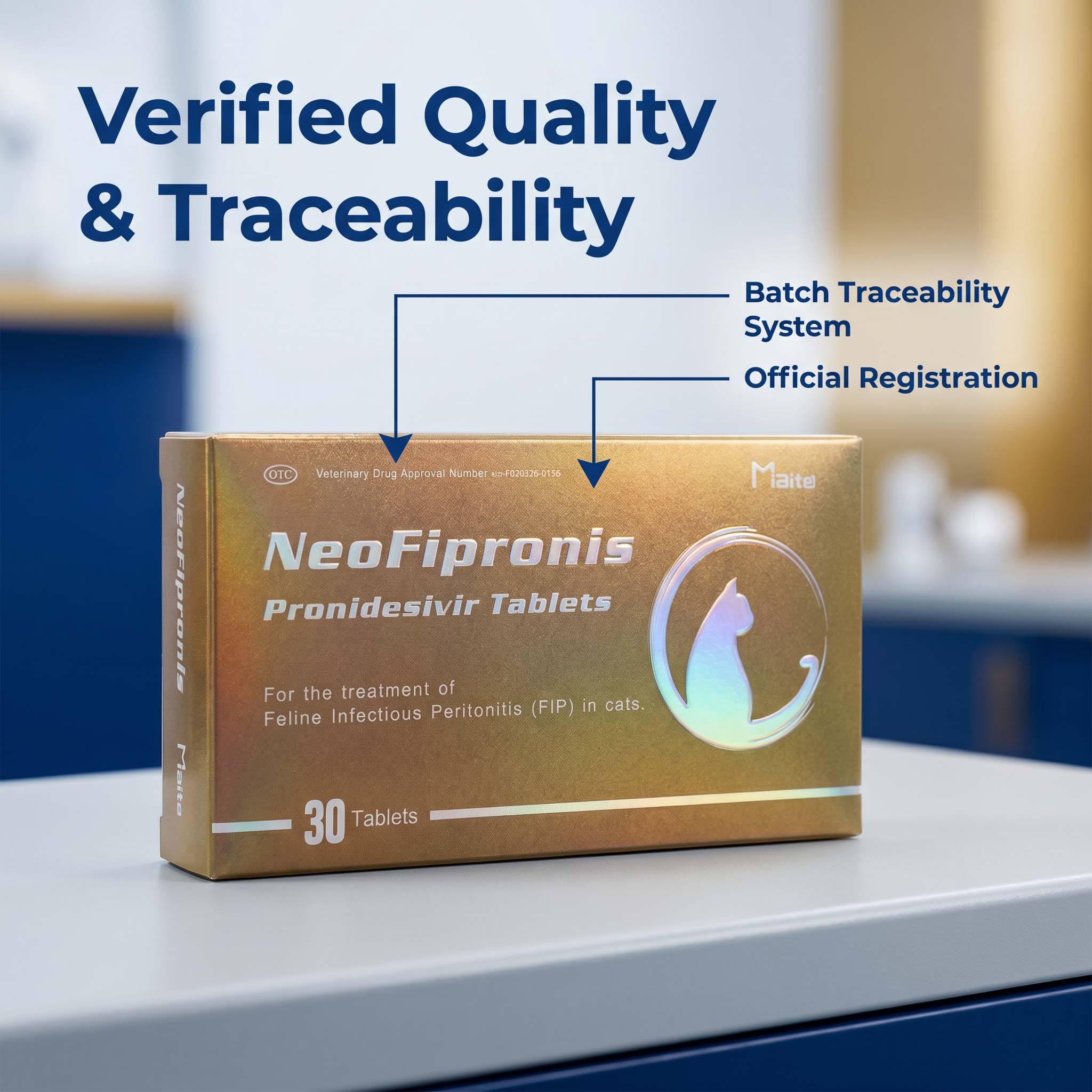
The Landmark Approval of Miaite NeoFipronis (Pronidesivir)
In March 2026, the Lao Ministry of Agriculture and Forestry (MAF) officially approved Miaite NeoFipronis (Pronidesivir) GS-441524 as the first oral treatment for FIP worldwide, with an official drug registration number. This approval marks a significant milestone, offering a non-invasive, rapid, and well-tolerated treatment option.
Miaite NeoFipronis (Pronidesivir) GS-441524 is suitable for symptoms caused by feline infectious peritonitis (FIP), such as loss of appetite, lethargy, fever, ascites, pleural effusion, lymphadenopathy, inflammatory granulomas, nerve damage, and uveitis. It has shown excellent therapeutic effects on FIP. Its oral formulation offers advantages in terms of ease of administration, compliance, and reduced stress for cats and owners alike.
Advantages of NeoFipronis (Pronidesivir)
Safety: The drug is considered non-invasive and has a strong safety profile with few side effects.
Rapid Absorption: Being an oral medication, it is quickly absorbed into the bloodstream, providing swift therapeutic action.
Well-Tolerated: Clinical trials and field applications report minimal adverse effects.
Efficacy: Demonstrates high effectiveness in resolving symptoms and achieving remission.
Treatment Protocols and Considerations
The treatment typically involves administering NeoFipronis (Pronidesivir) according to a veterinarian's prescribed dosage, depending on the cat’s weight and severity of the disease. The duration of therapy may vary but often extends for several weeks to ensure complete viral clearance and prevent relapse.
Owners should monitor cats closely during treatment for any adverse reactions and maintain regular veterinary checkups. Additionally, supportive care, including nutritional support and management of symptoms like ascites or nerve damage, enhances recovery outcomes.
Challenges and Future Directions
While the approval of NeoFipronis (Pronidesivir) signifies a breakthrough, challenges remain. Ensuring access in various regions, managing costs, and conducting extensive post-marketing surveillance are critical for broader adoption. Ongoing research aims to optimize dosing protocols, explore combination therapies, and develop vaccines to prevent FIP.
Conclusion
The advent of injectable GS-441524 and, notably, the official approval of Miaite NeoFipronis (Pronidesivir) as an oral treatment has radically transformed the landscape of FIP management. Cats suffering from wet FIP now have access to more effective, less invasive therapies with promising outcomes. Continued research and responsible use will be key to maximizing the benefits of these antiviral agents and improving the prognosis for cats worldwide suffering from this devastating disease.
References
"Feline Infectious Peritonitis: Advances in Diagnosis and Treatment," Journal of Feline Medicine and Surgery
"Recent Developments in Antiviral Therapy for FIP," Veterinary Microbiology
"Clinical Efficacy of GS-441524 in Cats with FIP," International Journal of Veterinary Medicine
"Regulatory Approval of Miaite NeoFipronis (Pronidesivir): A Milestone in FIP Treatment," Veterinary Pharmacology Journal