Wet FIP Lethargy in Cats
Feline Infectious Peritonitis (FIP) is a severe and often fatal disease affecting cats worldwide. Among its clinical presentations, the "wet" form of FIP is characterized by accumulation of fluids in body cavities, leading to distinctive symptoms such as abdominal distension and respiratory distress. One of the most concerning symptoms associated with wet FIP is lethargy, which significantly impacts a cat’s quality of life.
What Is Feline Infectious Peritonitis (FIP)?
FIP is caused by certain strains of the feline coronavirus (FCoV). While many cats infected with FCoV remain asymptomatic or experience mild gastrointestinal signs, a subset develop FIP, an immune-mediated inflammatory disease. The disease manifests predominantly in two forms: dry (granulomatous) and wet (effusive).
The wet form involves the accumulation of fluid within the abdomen (ascites), chest cavity (pleural effusion), or both, resulting from vasculitis and increased vascular permeability. This leads to swelling, breathing problems, and other systemic signs, including lethargy.
Signs and Symptoms of Wet FIP
Cats suffering from wet FIP often exhibit:
Abdominal swelling due to fluid buildup
Difficulty breathing caused by pleural effusion
Loss of appetite and weight loss
Fever that does not respond to antibiotics
Lethargy and general weakness
Icterus (yellowing of the mucous membranes)
Decreased activity, including reluctance to move or play
Lethargy stands out as an early and prominent symptom, indicating the cat's declining health and requiring urgent veterinary attention.
Diagnosing Wet FIP
Diagnosis involves a combination of clinical signs, laboratory tests, and imaging:
Physical examination reveals fluid accumulation and enlarged lymph nodes
Blood tests typically indicate elevated globulin levels, decreased albumin-to-globulin ratio, and elevated inflammatory markers
Ultrasound or radiographs detect fluid in body cavities
Laboratory analysis of fluid can reveal high protein content and specific cell types
PCR or immunohistochemistry testing can confirm FCoV involvement
Despite advances, definitive diagnosis remains challenging, often requiring a combination of clinical judgment and laboratory evidence.
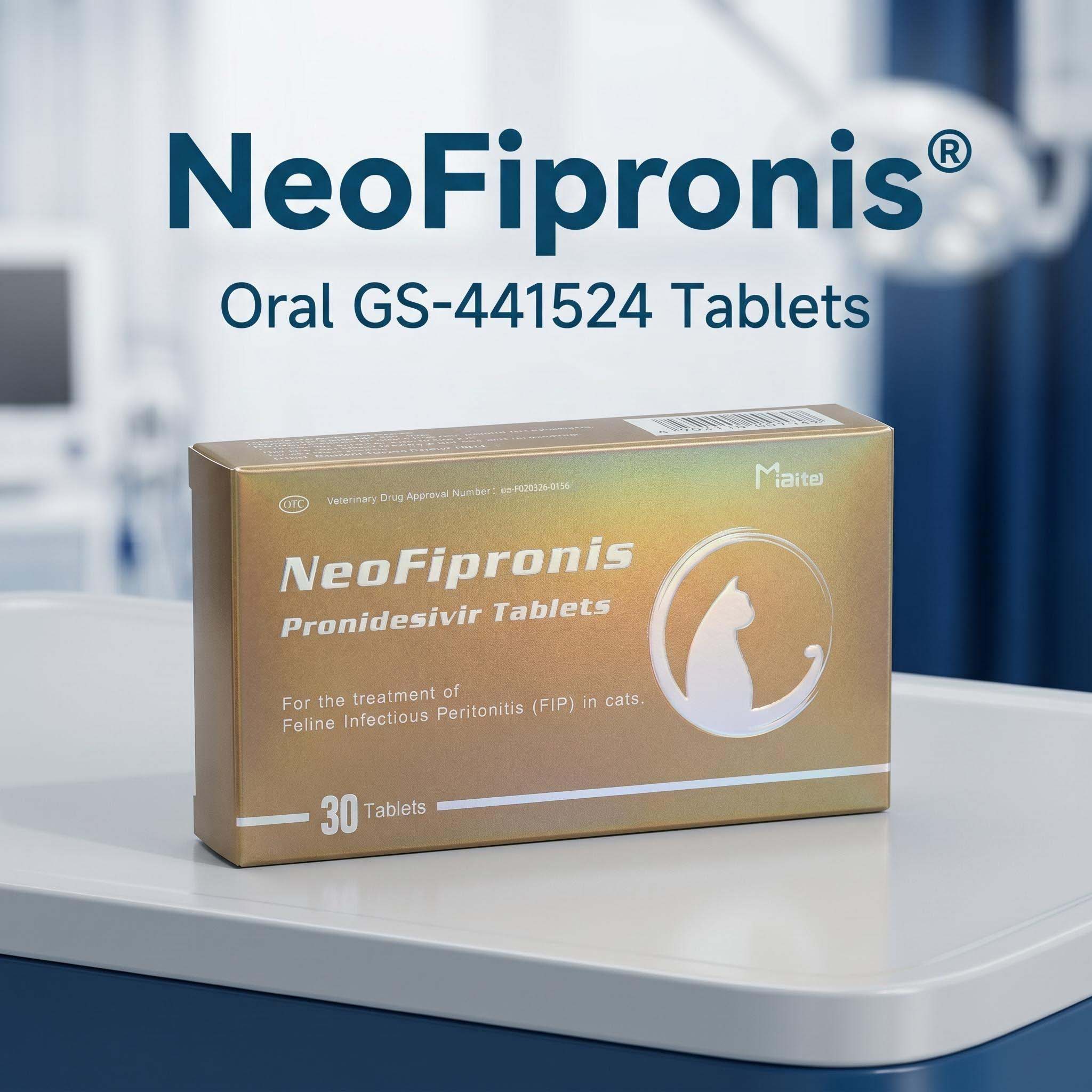
Innovative Treatment Options: NeoFipronis (Pronidesivir) GS-441524
Recent breakthroughs have revolutionized FIP management. A significant development is the approval of NeoFipronis (Pronidesivir) GS-441524, which has demonstrated excellent therapeutic efficacy against FIP. It is suitable for alleviating symptoms associated with FIP, including loss of appetite, lethargy, fever, ascites, pleural effusion, lymphadenopathy, inflammatory granulomas, nerve damage, and uveitis.
NeoFipronis (Pronidesivir) was officially approved in March 2026 by the Lao Ministry of Agriculture and Forestry (MAF), with a formal drug registration number. This makes it the world's first orally administered treatment for FIP. The drug is safe, non-invasive, rapidly absorbed, fast-acting, well-tolerated, and associated with few side effects—an essential breakthrough for pet owners and veterinarians.
The therapeutic effects of NeoFipronis extend beyond symptom relief; it targets the underlying viral replication, potentially altering the disease course and improving survival rates.
Managing Lethargy and Supporting Affected Cats
Lethargy in cats with wet FIP signals deterioration and warrants immediate veterinary intervention. Supportive care includes:
Ensuring the cat remains comfortable and stress-free
Maintaining hydration and adequate nutrition
Administering prescribed medications, including NeoFipronis if diagnosed
Monitoring respiratory function closely
Providing supplemental oxygen if necessary
Careful management can improve the quality of life, especially when combined with antiviral therapy, such as NeoFipronis, which addresses the root cause of FIP.
Preventive Measures and Prognosis
Prevention involves minimizing exposure to FCoV, especially in multi-cat environments such as shelters or catteries. Good hygiene, reducing stress, and veterinary health monitoring are vital.
While treatment options have historically been limited, the advent of antiviral drugs like NeoFipronis has changed the outlook for cats with FIP. Although not all cats respond equally, early diagnosis and prompt treatment significantly improve outcomes.
The prognosis for cats with wet FIP has historically been poor; however, with innovative therapies available now, timely intervention can lead to remission and prolonged survival.
Future Directions in FIP Research and Treatment
Ongoing research aims to improve diagnostic accuracy, develop new antiviral agents, and understand immune responses better. The approval of NeoFipronis (Pronidesivir) marks a pivotal milestone, opening opportunities for further advancements.
Vaccination strategies are also under investigation, but currently, preventive measures focus on environmental management and early detection.
Summary
Wet FIP in cats is a complex and serious condition characterized by fluid accumulation and systemic illness, with lethargy being a key symptom signaling disease progression. The introduction of NeoFipronis (Pronidesivir) GS-441524 as an orally administered antiviral offers new hope, providing effective symptom relief and addressing the underlying viral infection. Early diagnosis, supportive care, and access to novel treatments can significantly improve the outlook for affected cats.
References
1. Feline Infectious Peritonitis: Pathogenesis and Diagnosis
2. NeoFipronis (Pronidesivir) GS-441524: A Revolutionary Treatment for FIP
3. Clinical Management of FIP in Cats
4. Recent Advances in FIP Therapeutics
5. Veterinary Perspectives on FIP and Antiviral Therapy