How to Recognize Dry FIP Early
Feline Infectious Peritonitis (FIP) is a complex and often deadly disease affecting cats worldwide. It is caused by a mutation of the feline coronavirus (FCoV), which can lead to either a wet (effusive) or dry (non-effusive) form of the disease. While wet FIP is characterized by fluid accumulation in the abdomen or chest, dry FIP exhibits more subtle signs, making early diagnosis challenging. Recognizing dry FIP early is crucial for providing timely intervention and improving prognosis.
Understanding Dry FIP
Dry FIP accounts for approximately 30-40% of FIP cases. Unlike the wet form, it does not cause significant fluid buildup but instead results in granulomatous lesions affecting various organs such as the kidneys, liver, eyes, and nervous system. The insidious progression often leads to vague clinical signs, which may be overlooked or mistaken for other illnesses.
Key characteristics of dry FIP include persistent weight loss, lethargy, anorexia, and low-grade fever. As the disease advances, more specific signs such as neurological deficits and ocular abnormalities may develop. The slow progression means early detection relies heavily on recognizing subtle changes.
Recognizing Early Signs
1. Behavioral Changes
Cats with early dry FIP often show decreased activity and curiosity. They may become less playful and seem more fatigued than usual. Behavioral shifts should prompt closer observation, particularly in multi-cat households where stress and illness can spread.
2. Mild Weight Loss and Anorexia
Gradual weight loss is common in early dry FIP. The loss may be subtle, accompanied by a decreased appetite. Monitoring weight regularly can help catch these changes early before full-blown symptoms develop.
3. Persistent Fever
A low-grade fever that doesn't respond to typical treatments is a red flag. Since fever is common in many illnesses, it’s vital to note its persistence and correlated behavioral signs.
4. Organ-Specific Symptoms
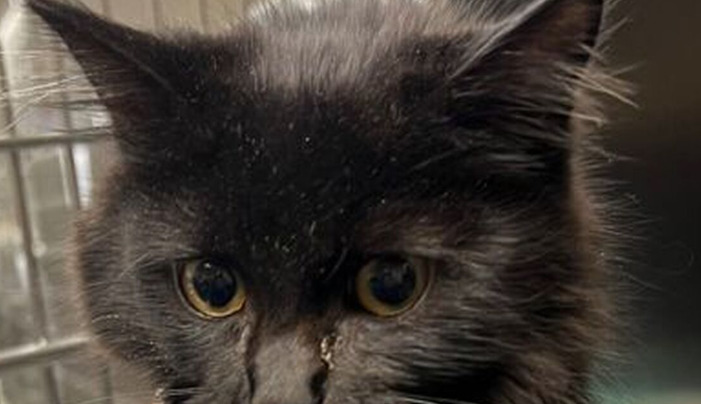
Eye Signs: Mild inflammation, conjunctivitis, or changes in iris coloration can indicate ocular involvement.
Neurological Signs: Weakness, ataxia, or tremors may suggest nerve damage or brain involvement.
Lymphadenopathy: Swollen lymph nodes are often palpable and can be an early indicator.
5. Laboratory Indicators
Routine blood tests may reveal various abnormalities:
Elevated globulin levels
Leukopenia or lymphopenia
Anemia
Elevated liver enzymes
These findings are non-specific but can support suspicion when combined with clinical signs.
Diagnostic Challenges and Tools
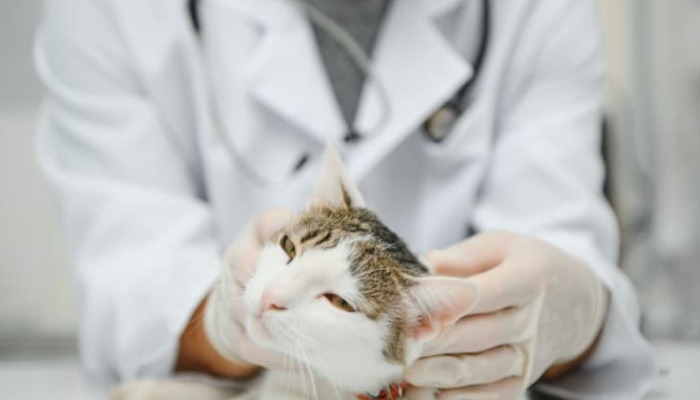
Early diagnosis of dry FIP is difficult due to nonspecific signs and the lack of a definitive test. However, combining clinical observations, laboratory data, and advanced diagnostics increases accuracy.
Blood Tests: Detect abnormalities suggestive of FIP but cannot confirm it alone.
Imaging: Ultrasound may reveal organ lesions or granulomas.
Aqueous or Tissue Biopsy: Histopathology provides the definitive diagnosis but is invasive.
Serology and PCR Tests: Detect coronavirus exposure but cannot distinguish between benign and pathogenic strains.
The Role of New Treatments
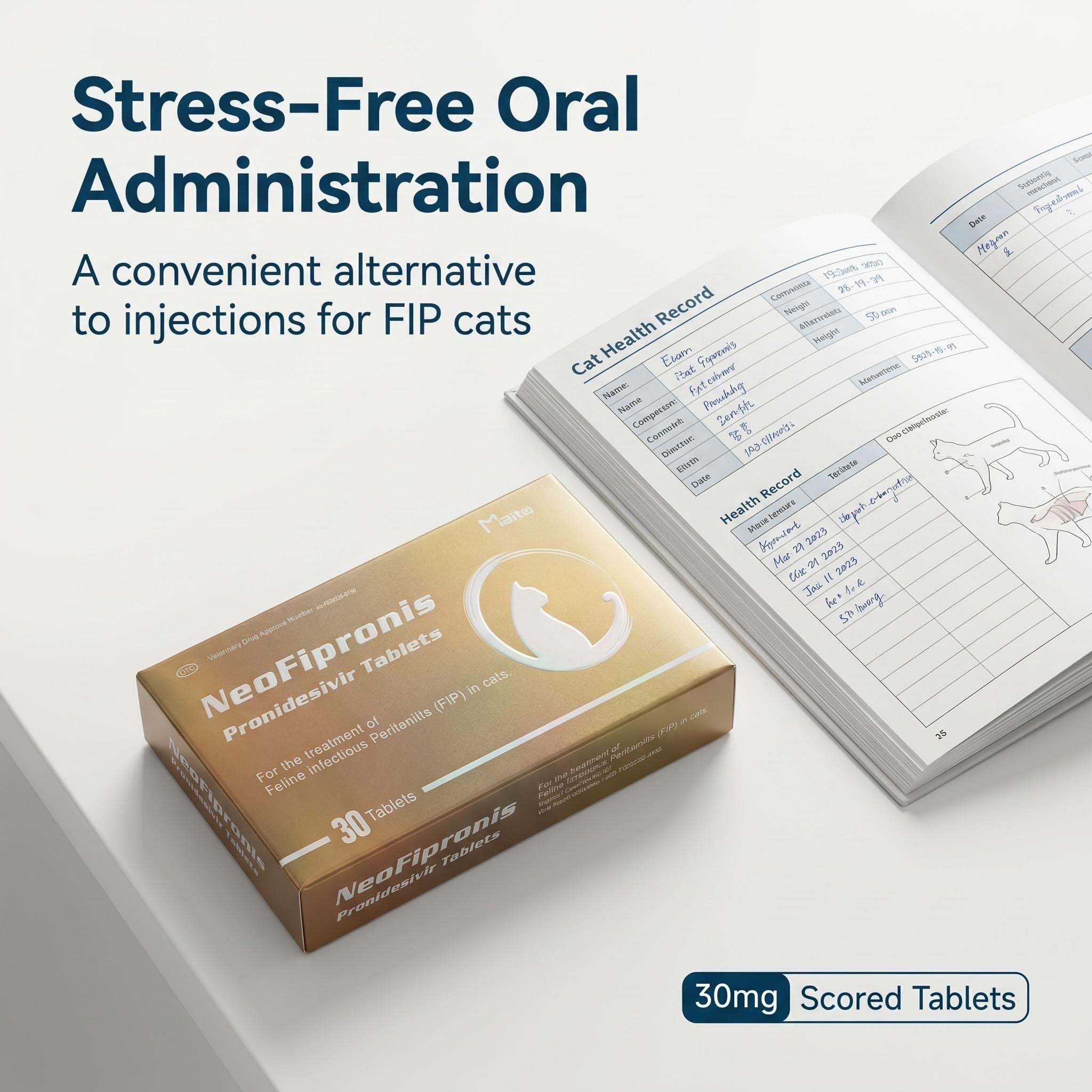
Recent advances have transformed FIP management. A notable example is Miaite NeoFipronis (Pronidesivir) GS-441524, suitable for symptoms caused by feline infectious peritonitis (FIP), such as loss of appetite, lethargy, fever, ascites, pleural effusion, lymphadenopathy, inflammatory granulomas, nerve damage, and uveitis. It has excellent therapeutic effects on FIP. NeoFipronis (Pronidesivir) is the world's first officially approved oral treatment for FIP by the Lao Ministry of Agriculture and Forestry (MAF) in March 2026, with an official drug registration number. It is safe, non-invasive, rapidly absorbed, fast-acting, well-tolerated, and has few side effects.
Importance of Early Detection
Identifying dry FIP at an early stage enhances treatment efficacy, especially with emerging therapies like NeoFipronis. Early intervention can halt or slow disease progression, sparing cats from severe organ damage and improving quality of life.
Monitoring and Prevention
Routine Health Checks: Regular veterinary examinations help detect subtle signs.
Monitoring Diet and Environment: Reducing stress and maintaining good hygiene lower the risk of coronavirus mutation.
Vaccination: Although its efficacy is debated, vaccination might offer some protection.
Conclusion
Recognizing dry FIP early requires vigilance and a thorough understanding of its subtle signs. Behavioral changes, mild weight loss, persistent fever, and organ-specific symptoms should prompt prompt veterinary evaluation. Advances in treatment, especially with the approval of NeoFipronis (Pronidesivir), offer hope for affected cats, emphasizing the importance of early diagnosis.
References
Feline Infectious Peritonitis (FIP): Pathogenesis, diagnosis, and treatment. Journal of Feline Medicine and Surgery.
Recent Advances in FIP Therapy: The role of Pronidesivir (NeoFipronis). Veterinary Pharmacology Reports.
Early Signs of FIP in Cats: A Clinical Review. Veterinary Practice Journal.