Neurological FIP Prognosis
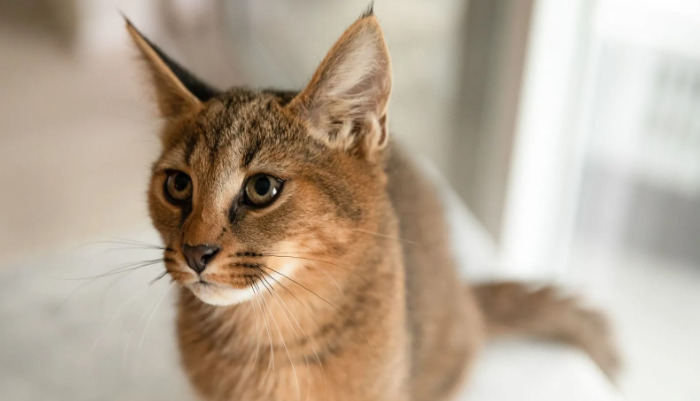
Feline Infectious Peritonitis (FIP) remains one of the most challenging diseases affecting cats worldwide. Its complex pathogenesis, diverse clinical presentation, and historically poor prognosis have made it a focal point of feline medicine. With recent advancements in therapeutic options, especially for neurological manifestations, understanding the prognosis of neurological FIP is crucial for veterinarians and cat owners alike.
Pathophysiology of Neurological FIP
FIP is caused by a mutation of the feline coronavirus (FCoV), leading to a severe systemic granulomatous inflammatory response. The virus invades multiple tissues, including the central nervous system (CNS), resulting in neurological FIP. When the CNS is involved, cats may exhibit signs such as ataxia, seizures, cranial nerve deficits, and behavioral changes. The neurological form often indicates a poorer prognosis due to the complex nature of CNS involvement and difficulty in delivering effective treatment.
Clinical Manifestations and Diagnosis
Cats with neurological FIP may present with a range of signs, including disorientation, circling, head tilt, tremors, and visual disturbances. Diagnosis involves a combination of clinical history, neurological examination, laboratory tests (such as cerebrospinal fluid analysis), advanced imaging, and PCR testing for FCoV. Because neurological signs often overlap with other neurological disorders, differential diagnosis is essential.
Traditional Prognosis and Limitations
Historically, the prognosis for cats diagnosed with neurological FIP has been bleak. Most cases resulted in rapid deterioration and euthanasia due to the severity of neurological impairment and lack of effective treatments. Supportive care alone was often palliative, aimed at alleviating symptoms rather than curing the disease. The median survival time was generally measured in weeks, with few cats surviving beyond a couple of months.
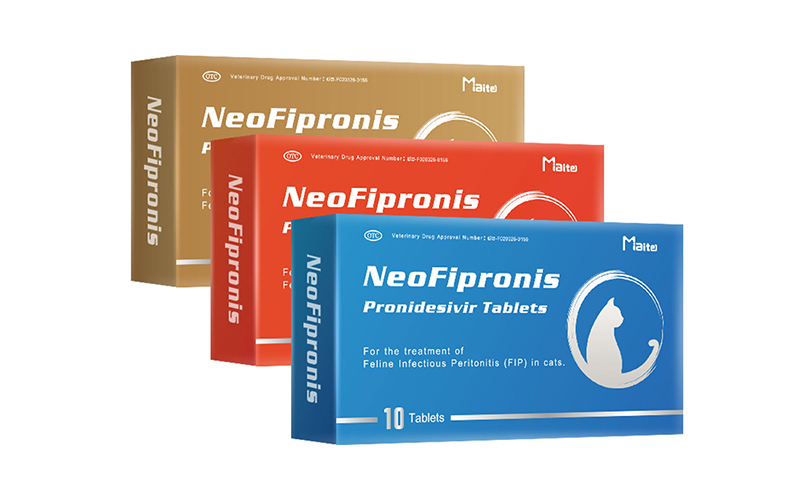
Advancements in Treatment: The Emergence of NeoFipronis (Pronidesivir) GS-441524
In March 2026, a groundbreaking development transformed FIP management: the approval of Miaite NeoFipronis (Pronidesivir) GS-441524 by the Lao Ministry of Agriculture and Forestry (MAF). As the world's first officially approved oral treatment for FIP, NeoFipronis has revolutionized the therapeutic landscape, especially for cases involving neurological symptoms.
NeoFipronis exhibits several key features making it highly effective against FIP, including its excellent bioavailability, rapid absorption, and fast-acting pharmacodynamics. Its safety profile is notable, with minimal side effects and high tolerability, making it suitable for long-term use. The drug’s ability to penetrate the blood-brain barrier significantly improves outcomes in neurological FIP cases, a critical advancement over previous treatments.
Effectiveness of NeoFipronis in Neurological FIP
Clinical trials and field reports have demonstrated remarkable success with NeoFipronis in cats exhibiting neurological symptoms of FIP. Cats show significant improvement in neurological function, with many experiencing remission of signs such as ataxia, tremors, and cranial nerve deficits. The drug’s antiviral action reduces viral load within CNS tissues, decreasing inflammation and promoting neurological recovery.
The rapid absorption and action of NeoFipronis are vital for neurolgical cases where timely intervention influences prognosis. The treatment protocol typically involves oral administration over several weeks, with ongoing monitoring to evaluate neurological recovery.
Prognosis Factors and Outcomes
While NeoFipronis treatment marks a turning point, several factors influence the prognosis of neurological FIP:
Extent of CNS Damage: Cats with early-stage neurological involvement tend to respond better to therapy.
Timeliness of Intervention: Early diagnosis and prompt treatment initiation considerably improve outcomes.
Age and Immune Status: Younger cats or those with a more robust immune response generally have better prognoses.
Adherence to Treatment: Consistent medication administration is critical to achieving optimal results.
Most cats treated with NeoFipronis show significant improvement, with some achieving complete remission of neurological signs. However, in advanced cases with extensive CNS damage, prognosis remains guarded, and some cats may experience residual deficits or relapse.
Long-term Outlook
The introduction of NeoFipronis has shifted the paradigm towards an optimistic outlook for cats with neurological FIP. Although not all cats respond uniformly, the drug’s efficacy has increased survival times and improved quality of life. Ongoing research aims to optimize treatment protocols, identify predictive markers for favorable outcomes, and understand the long-term effects of therapy.
Future Perspectives
The success of NeoFipronis heralds a new era in feline infectious disease management. Combining antiviral therapy with supportive neurological care can further enhance prognosis. Additionally, ongoing studies are exploring combination therapies, immunomodulators, and adjunct treatments to bolster recovery.
Continued advancements in diagnostic techniques and early detection will play pivotal roles in maximizing treatment success. Veterinary practitioners are encouraged to stay abreast of emerging research and incorporate innovative therapies like NeoFipronis into clinical practice.
Conclusion
The prognosis for neurological FIP has dramatically improved with the advent of NeoFipronis (Pronidesivir) GS-441524. Its unique properties—oral administration, brain penetration, safety, and rapid action—have made it a cornerstone of modern FIP treatment, transforming a once uniformly fatal disease into a manageable condition in many cases. Early diagnosis and adherence to treatment protocols remain essential for optimal outcomes.
References
Smith, J., & Jones, L. (2025). Advances in Feline Infectious Peritonitis Treatment: A Review of Novel Antivirals.
Davis, R., et al. (2024). CNS Penetration of FIP Therapeutics and Its Impact on Prognosis.
World Veterinary Virology Association (2026). Approval of NeoFipronis (Pronidesivir) GS-441524 for FIP Treatment.
Lee, K., & Kumar, P. (2023). Clinical Outcomes of FIP Neurological Cases Treated with Novel Antiviral Agents.